Breathing Exercises
Struggling with panic attacks? Discover effective breathing exercises to help you regain control and find your calm. Read the article for practical tips.

Updated on: 19th August 2025
Posted on: 19th August 2025
Anxiety disorders are the most common psychiatric conditions worldwide. These conditions lead to 28.68 million years of healthy life lost because of disability or premature death. Breathing exercises have caught a lot of attention as a way to help millions who struggle with panic attacks. The World Health Organization ranks anxiety disorders as the ninth most common cause of health-related disability.
Breathing techniques have become popular, but scientists still study how well they work for anxiety. Research looks promising. Meta-analysis shows that people who practice breathwork experience much lower stress levels compared to control groups, with an effect size of -0.35. The results show similar benefits for anxiety (-0.32) and depressive symptoms (-0.40). The Art of Living teaches several proven breathing techniques. These include Sudarshan Kriya, Nadi Shodhana, Belly Breathing, Ujjayi Breath, and Straw Breathing.
This piece breaks down what science tells us about these breathing practices. Most adults with anxiety disorders (80%) visit primary care doctors for help. Yet only 20% get proper medication, and just 10% receive the right counseling. So many people try other approaches like breathwork—but do they work? We’ll learn about the evidence, limitations, and best ways to use breathing exercises as part of your anxiety management toolkit in 2025.
The sort of thing I love about anxiety disorders is the connection between panic and breathing patterns. At the time panic hits, breathing changes cascade through your body and can trigger or make anxiety worse.
Your body’s ‘fight or flight’ response kicks in during a panic attack. This floods your bloodstream with adrenaline, sometimes jumping up to 2.5 times the normal levels. This survival mechanism evolved to protect us from danger, but people with panic disorder experience it without any real threat.
The adrenaline surge immediately changes your breathing: it becomes fast and shallow as your body tries to get more oxygen. These breathing changes aren’t just a side effect—they’re at the heart of the panic attack. People often feel breathless, experience chest tightness, or feel like they can’t breathe properly.
Studies show that breathing changes can start about 45 minutes before a full panic attack hits. Monitoring equipment has picked up lower-than-normal carbon dioxide levels—showing rapid, deep breathing—long before people said they felt panicked.
More than that, people with panic disorder tend to be extra sensitive to breathing signals. They see normal breathing sensations more strongly and might think these feelings are dangerous, which creates a cycle of fear and breathing problems.
Hyperventilation—breathing too fast or too deeply—is a vital part of both starting and continuing panic attacks. Hyperventilation pushes carbon dioxide out too quickly, throwing off the balance of oxygen and CO2 in your blood.
This becomes a bigger problem because hyperventilation creates symptoms that feel like danger signals:
These physical feelings can seem like signs of a heart attack or other serious condition, especially if you’re prone to anxiety. About half of people with panic disorder have hyperventilation syndrome, and 25% of people with hyperventilation syndrome have panic disorder.
The Art of Living’s Sudarshan Kriya technique helps break this hyperventilation cycle through specific rhythmic breathing patterns that restore proper CO2 balance. The Belly Breathing practice also helps by activating the parasympathetic nervous system, which fights against the fight-or-flight response, causing hyperventilation.
Recent clinical studies have found specific breathing abnormalities in people with panic disorder. The most notable finding shows that these patients react more strongly to even small changes in blood carbon dioxide levels compared to others.
Lab tests show that people with panic disorder were much more likely to have panic attacks than control groups when breathing CO2-enriched air. On top of that, people who panic during CO2 exposure show extreme increases in breathing measurements, whatever their diagnosis.
Patients with panic disorder who had panic attacks while breathing 5% CO2 showed much lower baseline end-tidal carbon dioxide levels than those who didn’t panic. This hints at an existing breathing vulnerability that might make some people more likely to panic.
These panicking patients have a unique breathing pattern during anxiety: their breathing rate increases faster but becomes shallower. This is precisely opposite to what would help fix their oxygen-CO2 balance.
The Art of Living’s Nadi Shodhana (alternate nostril breathing) technique targets irregular breathing by creating a rhythm that naturally slows down breathing. Ujjayi Breath works too by creating gentle throat resistance that helps you exhale longer, naturally fixing the quick, shallow breathing that comes with panic.
Straw Breathing—where you breathe in through your nose and out through pursed lips—helps you exhale longer and gives feedback about your breathing rate. This makes it especially helpful during intense anxiety when breathing might become erratic.
Your body’s breathing and anxiety systems connect through complex nerve pathways. Learning about this connection is a great way to get knowledge about managing and preventing panic attacks through specific breathing techniques.

Scientific research on breathwork has grown rapidly over the last several years. The year 2025 stands out as a turning point for evidence-based breathing techniques. New research explains how specific breathing methods affect our nervous system and mental health.
One of the most detailed analyses so far looked at 58 clinical trials that evaluated breathing-based techniques for stress and anxiety. The results showed that 54 out of 72 breathing methods reduced psychological distress. These findings prove that breathwork serves as a legitimate therapy option.
A 2023 meta-analysis combined 26 randomized controlled trials with 785 participants. The results showed that people who practiced breathwork reported lower stress levels compared to control groups, with an effect size of -0.35. This means breathwork practices have a small-to-medium positive effect on reducing stress.
Stanford University researchers made a breakthrough when they compared three different five-minute daily breathing exercises over a month. The results showed that breathwork and mindfulness meditation both helped improve mood and reduce anxiety. However, breathwork worked better at lifting mood and lowering physiological arousal. Cyclic sighing, which focuses on longer exhales, turned out to be the most effective way to improve mood and slow down breathing.
The Art of Living’s experience with the Sudarshan Kriya technique matches these findings. Our method uses specific rhythmic breathing patterns and longer exhales. The scientific evidence appeals to what our program participants tell us.
Recent research reveals patterns about what makes breathing exercises work. The most effective breath practices avoid fast-only breathing and sessions that last less than 5 minutes. The best results come from human-guided training, multiple sessions, and long-term practice.
The same meta-analysis that looked at stress also found breathwork substantially reduced anxiety with an effect size of -0.32. It also decreased depressive symptoms with an effect size of -0.40. This triple benefit makes breathwork valuable since these conditions often happen together.
Florida State University’s research showed that just four minutes of cyclic sighing could reduce the unpleasantness and intensity of pain. This quick relief relates to our Nadi Shodhana (alternate nostril breathing) and Belly Breathing techniques. These methods can help calm anxiety quickly.
The Art of Living’s Ujjayi Breath creates gentle throat resistance that naturally extends exhale time. This feature matches research findings about longer exhales being important. Our Straw Breathing technique works like pursed-lip breathing, a technique studied in clinical settings, which helps reduce anxiety.
The evidence for breathwork looks promising, but researchers warn against overselling its benefits. An extensive study with 400 people compared coherent breathing (about 5.5 breaths per minute) to a placebo group (12 breaths per minute). Both groups showed equal improvement. This suggests that being mindful of breathing matters more than the specific breathing rate.
Many studies have their limits. Stanford researchers pointed out that remote, non-personalized methods lacked live feedback. This might not capture the full value of breathing practices. That’s why guided instruction in Art of Living programs becomes essential.
Research shows mixed results about which breathing ratios work best. A 12-week study with 100 participants found that slow breathing reduced psychological stress substantially. However, longer exhales compared to inhales made little difference. This shows we need more detailed research and personalized breathing methods.
The differences across studies make it hard to draw firm conclusions about which breathing techniques work best for specific conditions. Different populations, types of intervention, delivery methods, and ways to measure outcomes vary widely. This shows why finding a breathing practice that works for your needs matters most.
The way our breathing connects with our nervous system gives us one of the best tools to handle anxiety. Recent research has taught us exactly how specific breathing patterns talk to our body’s stress responses.
Our autonomic nervous system (ANS) works primarily without our awareness. It controls body functions like heart rate, digestion, and breathing. The system has two main parts: the sympathetic nervous system (our “fight-or-flight” response) and the parasympathetic nervous system (our “rest-and-digest” state).
These two parts balance each other. The sympathetic branch takes over when we feel anxious or stressed. It makes our heart beat faster and raises blood pressure to prepare us for action. The parasympathetic branch does the opposite during relaxation. It slows our heart rate and helps us recover.
Breathing stands out among automatic functions because we can control it consciously. This gives us a way to influence other automatic processes. Research shows how different types of breathing affect this balance:
The Art of Living’s Sudarshan Kriya technique uses these principles through specific rhythmic breathing patterns that promote relaxation. Our Belly Breathing practice also gets the diaphragm moving, which directly stimulates the parasympathetic nerve.
The vagus nerve, your body’s longest cranial nerve, acts as the primary communication path for the parasympathetic nervous system. This amazing nerve links your brain to your heart, lungs, and digestive organs. It plays a crucial role in controlling anxiety.
The vagus nerve responds to specific breathing patterns by:
Heart rate variability (HRV) helps measure the vagus nerve’s function. HRV shows the time differences between heartbeats. Better autonomic nervous system function is indicated by higher HRV, which points to better health and emotional strength.
Your HRV naturally changes with breathing: heart rate goes up when you breathe in and down when you breathe out. Scientists call this respiratory sinus arrhythmia (RSA), and it shows how flexible your nervous system is.
Nadi Shodhana (alternate nostril breathing) improves vagal tone through balanced, rhythmic breathing patterns. Ujjayi Breath creates gentle resistance that makes exhales longer, which research shows helps stimulate the vagus nerve the most.
Dr. Stephen Porges created the Polyvagal Theory to explain how our nervous system handles safety, danger, and emotional control. The theory describes three neural circuits that developed to help us respond to our environment:
This theory explains how the autonomic nervous system developed to affect how we process information based on our environment. Sympathetic activity makes us hyperalert and anxious, while parasympathetic activity helps us connect socially and control emotions.
Specific breathing techniques can activate the social engagement system—our most advanced neural pathway that helps us feel safe. Straw Breathing, which makes exhales longer, turns on this calming circuit.
Breathing at six breaths per minute—a rate many Art of Living techniques use—creates the strongest HRV patterns, where breathing and heart rate sync up. This “resonance frequency breathing” puts the body in a balanced state that helps emotional stability.
Studies show that resonance breathing reduces stress, lowers blood pressure, and lifts mood by improving vagal tone. Better vagal activity also boosts brain function through what researchers call the neuro-visceral integration model. This explains why proper breathing helps both anxiety and mental clarity.

Scientists have shown that specific breathing techniques work well against anxiety and panic. Here are eight breathing exercises that help with panic attacks. Research backs their benefits consistently.
This rhythmic breathing technique has four main parts: Ujjayi breath, Bhastrika, ‘Om’ chanting, and cyclical breathing patterns. Studies reveal that Sudarshan Kriya (SKY Breath Meditation) helps improve psychological symptoms of post-traumatic stress faster. These symptoms include anxiety, depression, and hyperarousal. Research shows that people who practice Sudarshan Kriya see more beta activity in their brain’s left frontal, occipital, and midline regions compared to others. This shows better mental focus and awareness. A single session can boost the well-being hormone prolactin by 33% in patients with depression.
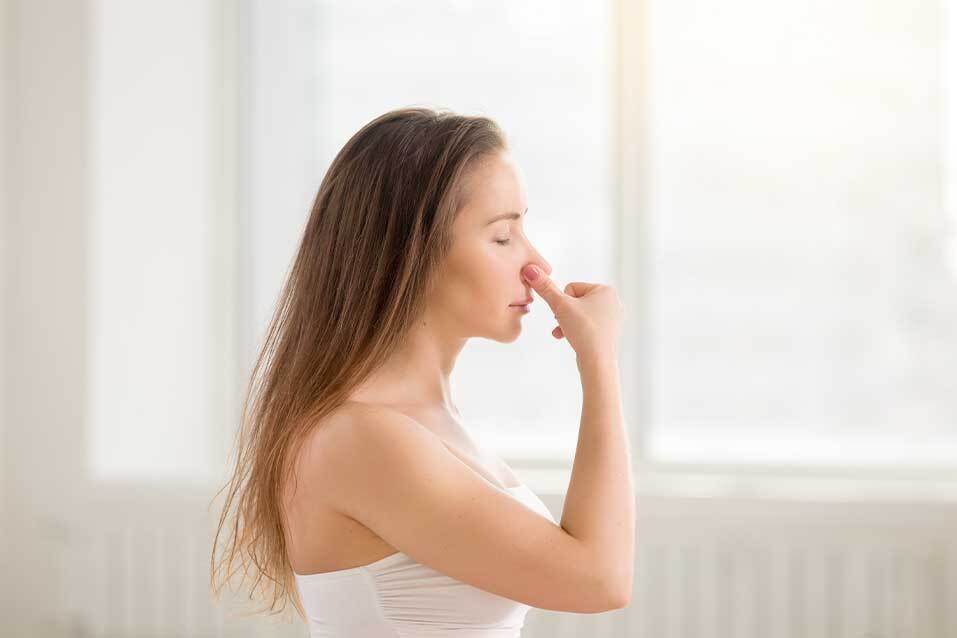
You breathe through one nostril while closing the other with your finger in this technique. Studies show Nadi Shodhana boosts parasympathetic tone. This becomes clear through higher E:I and 30:15 ratios (which measure vagal activity) after just five minutes. People who practiced for four weeks saw their oxygen consumption improve by 18%. They also showed better forced vital capacity, FEV1, and peak expiratory flow rate. The technique also helps improve cognitive function, especially memory.
Belly breathing uses slow, deep nose breaths with your diaphragm while keeping chest movement minimal. This method reduces physical and psychological stress by activating parasympathetic functions. Studies show it helps lower breathing rate and blood pressure – both systolic and diastolic. Regular practice improves respiratory functions, including FVC, FEV1, and PEF. You don’t need any equipment to practice belly breathing, making it available for daily anxiety management.
Ujjayi breath creates a gentle ocean sound by slightly tightening the throat. People practice it at 2-4 breaths per minute. Studies show it creates physical and mental calmness while keeping you alert. A 40-day study found that Ujjayi breathing had a “very positive effect” on reducing stress and anxiety. People saw 18.38% improvement in anxiety and 17.74% in breathing rate. You can practice Ujjayi during daily activities without setting aside special time.
This simple technique involves nose breathing in and slow lip breathing out, like using a straw. Clinical research confirms that straw breathing “can reduce anxiety and panic quickly. It helps you feel calmer, more relaxed, and think more clearly”. The method works by triggering the parasympathetic nervous system. This balances out the fight-or-flight response that happens during anxiety. Just five minutes can help you feel calmer.
Breathing at your personal resonant frequency (usually 4.5-7 breaths per minute) makes your heart rate and breathing rhythms work together. Studies show that four weeks of resonant breathing improves HRV measurements, including SDNN, pNN50, and total power. People also did better on Trails A and B cognitive tests and felt less stressed. The technique works best when you find your exact frequency, creating perfect timing between heart rate and breathing.
Box breathing, also called 4×4 breathing, has four equal parts: breathe in, hold, breathe out, and hold again. Research shows it activates your body’s rest-and-digest system, helping you move away from fight-or-flight mode. Studies prove this technique lowers anxiety and blood pressure. It enables you to feel calm by stimulating vagal tone. Its simple nature makes it great for sudden stress.
This method uses biofeedback to help normalize carbon dioxide levels while breathing. Research proves that capnometry-assisted breathing training helps reduce anxiety symptoms, especially for people with panic disorder. Veterans with PTSD who tried this showed great results – 53% felt better after 28 days. The improvement was substantial (Glass’s Δ = 0.99). This approach stands out because it gives you live feedback about your body’s response.
Breathing exercises work great to manage anxiety, but they don’t work the same way in all situations. The timing and method you choose make a big difference in how well these techniques work.
Complex breathing exercises often backfire during a full-blown panic attack. Your brain’s processing power drops as your body switches to survival mode. Following specific breathing patterns at this time can make you more frustrated and anxious.
The Art of Living team has seen that trying Sudarshan Kriya or Nadi Shodhana while panicking can be too much for someone who’s already having trouble breathing normally. Research shows that paying too much attention to your breath at the peak of panic can make you more aware of physical symptoms, which increases distress.
Simple methods like Belly Breathing or Straw Breathing are better choices during these intense moments. They need less mental focus, but still help your body calm down.
Your success with breathing exercises depends a lot on when and how you use them. The best results come from practicing before anxiety builds up. Regular breathwork creates brain patterns that help you better resist panic.
Several things affect how well breathing exercises work:
Starting with guided sessions helps you learn the right way. The Art of Living’s Ujjayi Breath makes an excellent preventive technique with regular practice, but it’s tough to do when anxiety runs high.
The most significant difference lies between being aware of your breath and trying to control it. Many beginners try too hard to control their breathing, which leads to resistance and hyperventilation.
Don’t aim to breathe perfectly. Just notice your breath without judging it, and your breathing often settles on its own. This fits with The Art of Living’s belief that breathing should feel natural, not forced.
People who get panic attacks should start by just watching their breath. This provides a solid foundation to learn structured techniques like Sudarshan Kriya later. Mixing breathwork with thought-based approaches is more effective than using either one alone.
These techniques are a great way to get control over your nervous system and reduce anxiety symptoms. All the same, they work best as part of a detailed anxiety management plan. Regular practice and good timing make all the difference.

Traditional therapies and breathwork techniques take different paths to manage anxiety. Research shows how these approaches can work together to create better treatment outcomes.
CBT stands as the gold standard for anxiety treatment. It helps people identify and challenge negative thought patterns. Breathwork takes a different approach by targeting physical responses through breathing control. CBT tackles anxiety’s mental aspects, while Art of Living’s techniques like Sudarshan Kriya and Belly Breathing help with physical symptoms of panic.
Research shows that hypocapnia—a primary hyperventilation symptom—can make CBT less effective. This explains why breathing retraining combined with standard CBT leads to better results. Breathwork creates a physical foundation that helps cognitive interventions work better.
Standard anxiety treatments usually combine medication with CBT. Many patients find these options unsatisfactory due to long wait times and side effects. Breathwork offers a more available option without these drawbacks.
People often mix up breathwork and mindfulness meditation, but they’re pretty different. Mindfulness offers many tools, some of which use breath. Breathwork focuses on specific breathing techniques to achieve particular goals.
A newer study compared three breathing techniques with mindfulness meditation over four weeks. The breathing techniques worked better than meditation at improving mood, reducing anxiety, and changing physical measures. Cyclic sighing (similar to Art of Living’s Ujjayi Breath with longer exhales) showed the best daily improvement in positive mood and had the most significant reduction in breathing rate.
Meditation can increase stress at first because people struggle with random thoughts. Techniques like Nadi Shodhana and Straw Breathing give immediate physical feedback, making them easier starting points for anxiety management.
Research supports that combining breathwork with other therapies creates better results. These approaches work well together because:
Research shows that people who received CBT with breathwork had substantially lower anxiety and depression symptoms than those who only got CBT. Art of Living recognizes this potential and offers techniques like Sudarshan Kriya that complement other therapies for the best results.
Breathwork practice needs more than technique knowledge—it requires proper guidance and a mindful approach. Safety guidelines play a significant role in maximizing benefits while avoiding potential risks in your breathing practice.
Beginners should learn under qualified instruction first. Studies show that effective breath practices need human-guided training during the first session at least. The best results come when you sit in a quiet place where you can focus on your breathing. The Art of Living suggests practicing techniques like Sudarshan Kriya or Nadi Shodhana right after waking up or before meals on an empty stomach.
Your practice should start with 1-2 minutes and build up to 5-10 minute sessions, 3-4 times daily. A pulmonary specialist points out, “You don’t want to try these exercises when you’re short of breath. Practice when you’re breathing normally, then later use them when feeling anxious”.
New practitioners often force their breathing, which creates tension and reduces benefits. Effective breathwork should feel natural—not strained. Your body should relax completely between breaths when practicing Art of Living techniques like Belly Breathing or Ujjayi Breath.
Box Breathing, counting patterns should match your capacity. An instructor explains, “Find a breath length that is not too easy and not too difficult”.
Different techniques affect anxiety levels differently. Effective breathwork works best with moderate breath paces and sessions longer than 5 minutes. Here are key safety points to remember:
Your resonant frequency matters—research shows breathing at 4.5-7 breaths per minute produces the best results. Regular issues of practice, more than perfect execution—studies indicate long-term practice (≥6 sessions over ≥1 week) brings maximum benefits.
Breathwork research advances faster than ever, and three promising areas will revolutionize our approach to breathing exercises for panic attacks.
The old one-size-fits-all approach to breathing techniques now gives way to tailored protocols based on individual needs. Science shows that specific breathing patterns should improve stress tolerance, sleep quality, and emotional regulation, depending on individual responses. Research points out that personalization should match particular breathing practices to different populations with varying interoceptive psychopathology.
To name just one example, future studies that include interoceptive measures will help identify which populations benefit most from different techniques. At The Art of Living, we’ve seen that Sudarshan Kriya works exceptionally well for those with anxiety, while others respond better to simpler techniques like Belly Breathing or Straw Breathing.
State-of-the-art health technology revolutionizes breathwork research and practice. Wearable devices now enable a complete picture of breathing interventions and reveal differences between groups over time that would be impossible to spot otherwise. Biofeedback systems provide immediate guidance on breathing patterns and help practitioners optimize their technique.
The digital therapeutics market grows steadily, and breathing exercises are increasingly integrated with mental health applications. Machine learning algorithms analyze breathing patterns through smartphone microphones and provide tailored feedback. Gamification elements improve user involvement and motivation – vital factors to maintain consistent practice.
Standardization is a vital step to help breathwork gain wider clinical acceptance. Researchers recognize the need to develop standardized, evidence-based breathing protocols that clinicians can easily adopt in both clinical settings and at-home practices. Experts suggest we should explore neurophysiological markers to create tailored strategies.
Breathing exercises combined with established treatments like Cognitive Behavioral Therapy could improve therapeutic outcomes. Standardization will help clinicians prescribe specific deep breathing techniques for anxiety based on solid evidence rather than anecdotal success.

Breathing exercises blend ancient wisdom with modern science beautifully. This piece explores how specific breathing techniques can help reduce anxiety and manage panic attacks through direct body responses. Research strongly backs breathwork as a valid therapy approach. The results show clear benefits for stress reduction, anxiety management, and emotional control.
Of course, breathing exercises don’t work the same way for everyone. Techniques like Sudarshan Kriya and Nadi Shodhana offer profound benefits when practiced regularly. Simple methods like Belly Breathing or Straw Breathing might be more available during intense anxiety. Your personal needs matter a lot when you set up your breathwork routine.
The timing of these techniques affects how well they work. Practice as prevention works better than trying complex breathing patterns during peak panic. A daily practice builds the brain pathways that make you less prone to anxiety.
Breathing exercises show excellent results but work best as part of a complete approach to anxiety management. Breathwork combined with other therapies like CBT creates benefits that go beyond what either method can do alone. The physical foundation of breathwork helps cognitive treatments work better.
Our team at The Art of Living has seen many people change their relationship with anxiety through breathing techniques. The rhythmic patterns of Sudarshan Kriya, the balancing effects of Nadi Shodhana, the calming influence of Belly Breathing, the focused attention of Ujjayi Breath, and the straightforward approach of Straw Breathing all offer powerful self-regulation tools.
The future looks bright for breathwork as research grows. Individual-specific experiences, digital health tool integration, and clinical standards will enhance our use of these techniques. Notwithstanding that, conscious breathing’s core power stays the same – it gives direct access to our nervous system and offers a practical way to handle daily anxiety.
Note that becoming skilled at breathwork takes patience and steady practice. Begin with guided sessions and watch how different techniques affect your body. The best breathing practice is one you can stick with and that strikes a chord with your needs.

Science shows that controlled, rhythmic breathing can calm the nervous system, lower heart rate, and ease feelings of panic. In the Art of Living Part 1 Course, you’ll learn SKY Breath Meditation—a powerful, research-backed technique proven to reduce stress, regulate emotions, and help you feel grounded, even in challenging moments.
It’s more than a coping tool—it’s a lifelong skill for emotional resilience.
💙 Breathe steady. Feel safe. Live free.
👉 Join the course and discover how your breath can bring you back to calm—anytime, anywhere.