Breathwork
Explore the differences between breathwork and meditation to find the practice that suits your lifestyle best. Discover your ideal path to wellness today!

Updated on: 28th August 2025
Posted on: 13th August 2025
Breathwork and meditation offer two powerful paths to inner peace in today’s stress-filled world. People looking for quick relief turn to breathwork—a collection of specific breathing exercises and techniques. These exercises provide instant stress reduction by directly calming our autonomic nervous system and helping us escape the fight-or-flight response. Breathwork’s roots trace back to ancient practices like Pranayama, thousands of years ago. The active exercises deliver immediate physiological and psychological benefits. Meditation’s effects tend to unfold over a longer timeframe.
Meditation and deep breathing work differently, yet both work to improve our well-being. Breathwork improves our physical health by strengthening our lungs and lowering blood pressure. On top of that, it boosts mood, builds self-esteem, sparks creativity, and helps overcome trauma. The real question you might ask yourself is: which practice brings faster calm? And which one fits your lifestyle better? This piece dives deep into both practices. You’ll learn about their benefits and discover which approach—or combination—might be your perfect match.
Bonus: Also, learn about a technique for faster calm that combines breathwork and meditation into one simple, powerful method: SKY Breath Meditation. Keep reading!
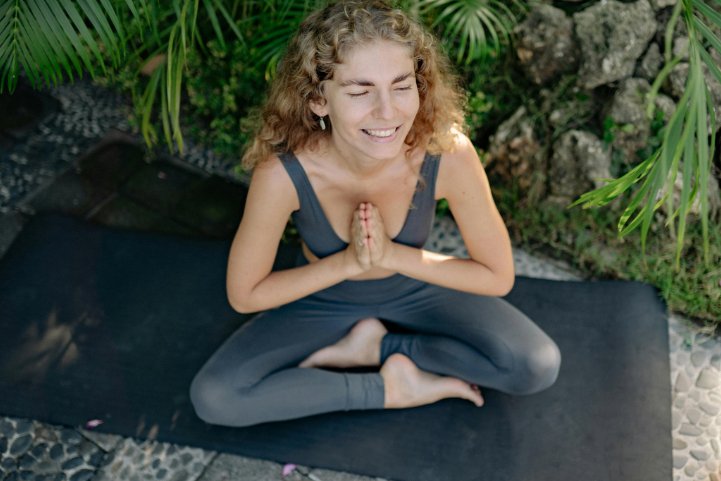
Understanding the key difference between breathwork and meditation requires looking at each practice separately. These techniques aim to boost wellness but take different paths to achieve inner peace and balance.
Breathwork includes different breathing exercises and techniques that help control breathing consciously. Our normal breathing happens without thinking, but breathwork changes how we breathe to get specific mental, physical, and emotional benefits. Simple deep abdominal breathing to advanced techniques like holotropic breathwork make up this practice.
The nervous system responds directly to breathwork. Shallow breathing happens when we’re stressed, which reduces oxygen and triggers our fight-or-flight response. Slow, deep breathing tells our brain and body we’re safe by activating the parasympathetic nervous system. Better emotional resilience and heart health come from this physical change that regulates heart rate, boosts vagal tone, and improves heart rate variability.
Brain function changes with breathwork. A newer study shows breathing rhythms change brain arousal states through connections between breathing control centers and the locus coeruleus – the brain region that handles alertness and emotional responses.
Meditation helps people focus or clear their minds through mental and physical techniques. Buddhist, Hindu, and Taoist traditions have used meditation for thousands of years. Scientists have started studying meditation’s effects on brain health only in the last few years.
Meditating might look like someone just breathing or repeating a sound, but significant changes happen inside. EEG and fMRI scans show how meditation changes brain structure and mental health. People who meditate regularly often develop thicker brain tissue in areas that control senses, thinking, concentration, and the processing of emotions.
Meditation works by training your attention and awareness. Most techniques ask you to focus on one thing – like breathing, a sound, an image, or a mantra – without trying to control it. This practice builds self-awareness and helps stop racing thoughts about past or future worries.
These practices differ mainly in their approach:
Many people use both practices together to maximize their benefits for their wellness journey.

Looking for quick relief from stress and anxiety? Breathwork has clear advantages over meditation. Here are six reasons why breathwork helps you feel calmer faster.
Breathwork turns on your parasympathetic nervous system—your body’s “rest-and-digest” mode—and this counteracts the “fight-or-flight” stress response. Your body responds with a quick physiological change that sends calming signals and lowers blood pressure. Slow, controlled breathing reduces arousal pathways. This promotes calmness and lowers stress hormone levels in your blood. Studies show this happens much faster compared to traditional meditation.
Breathwork needs your active participation, unlike meditation’s passive observation. Your mind stays focused on the present moment because you count breaths and follow specific patterns. Box breathing uses silent counting that works like a mantra meditation. This helps clear your mental chatter even better.
People naturally understand breathwork because it gives them clear, physical steps to follow. Beginners who struggle with meditation’s abstract nature get concrete instructions and quick feedback with breathwork. Research shows new practitioners can feel less stressed right away. You can learn techniques like diaphragmatic breathing in minutes rather than weeks.
Your diaphragm and chest expand and contract during breathwork. This creates chances to release emotions. The movement helps free up stored tension from your body. Many people experience deep emotional releases in their sessions. This physical aspect makes breathwork particularly effective for processing stuck emotions and trauma.
The physiological sigh—a double nasal inhale followed by a slow exhale—gets you out of fight-or-flight mode within seconds. Box breathing (4-4-4-4 counts) and extended exhalation breathing activate your vagus nerve and substantially reduce anxiety. Yes, it is possible to stop your stress response almost instantly with proper breathing.
Best of all, you don’t need special equipment or space for breathwork. You can use techniques like pursed-lip breathing or 4-7-8 breathing during meetings, in lines, or even while exercising. Just 5 minutes can help you feel noticeably calmer. This makes breathwork perfect for handling stress in everyday situations.
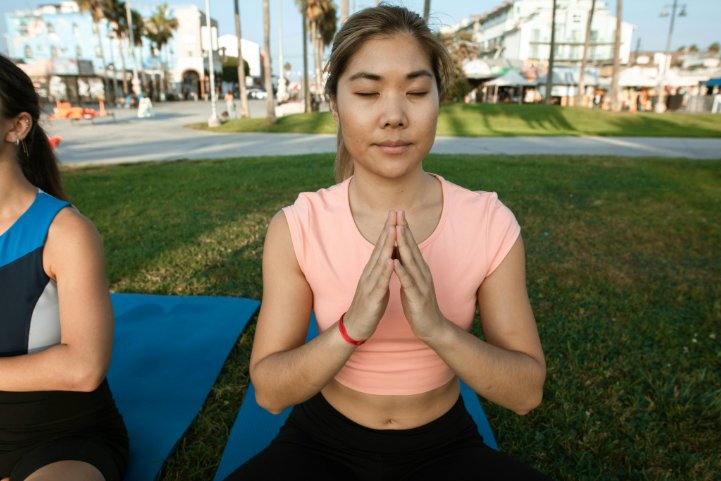
Breathwork provides quick relief, but meditation delivers profound, long-term benefits for lasting calm that build up through regular practice. These changes run deep and affect your brain’s structure and mental well-being.
Meditation fosters awareness of the present moment and changes how we see ourselves. People who practice regularly learn to spot their thought patterns and emotional responses without judging them. This deeper understanding helps them identify unconscious behaviors and create space between triggers and reactions. Research shows meditation alters how we process self-related thoughts, assisting practitioners to see their thoughts as passing events rather than fixed reality. This change leads to healthier self-perception and less attachment to negative self-images.
Research proves meditation helps people stay focused on chosen tasks. Studies of focused attention meditation show it boosts sustained attention and makes bouncing back from distractions easier. Even short meditation sessions boost attention control – one study found just 10 minutes helped new meditators improve their executive attention. On top of that, research shows meditation reduces activity in brain areas linked to mind-wandering, making it easier to stay in the moment.
Regular meditation changes your relationship with emotions by teaching you to observe feelings without reacting right away. Instead of pushing emotions down, meditation teaches you to notice and accept them as they come up. Studies show this method reduces negative emotional bias and speeds up emotional memory response. The practice builds mental resilience and offers a better way to handle complicated feelings.
Meditation offers a proven solution for sleep problems. Clinical studies show mindfulness meditation helps improve sleep quality across different groups of people. A notable study found that 91% of insomnia patients who meditated either reduced or stopped taking sleeping pills. Meditation helps by quieting racing thoughts that keep you awake, lowering cortisol levels, and triggering your body’s relaxation response.
Long-term meditators show better protection against mental decline. Research on experienced practitioners reveals slower rates of age-related cognitive decline and more gray matter in brain regions responsible for memory and attention. Studies also show meditation can boost cognitive performance in adults who notice memory problems, suggesting it might help prevent dementia and similar conditions.
Meditation’s benefits extend beyond mental health to daily behaviors like eating. Mindful eating, which stems from meditation principles, helps improve your relationship with food by drawing attention to the eating experience. Research shows this approach reduces binge eating and leads to healthier food choices. This mindful approach to eating also helps regulate blood sugar and supports overall metabolic health.
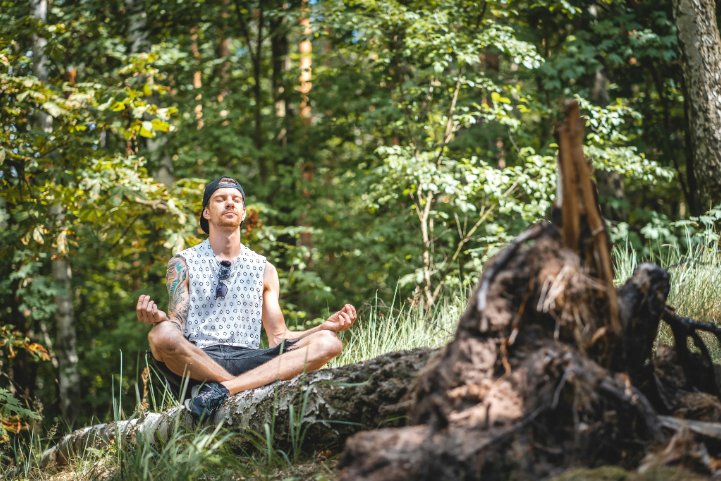
The choice between breathwork and meditation ultimately comes down to what you need and what fits your daily life. Let’s get into what helps you pick the practice that works better with your schedule.
You can get real benefits from breathwork even in short bursts. A five-minute session brings meaningful calm, which works great if you’re busy or need quick stress relief. This explains why many professionals use quick breathing exercises throughout their day. Research shows these breath practices work best when you do them several times, even if each session is brief.
Meditation usually needs longer sessions—20 minutes or more—to give you substantial benefits. People who meditate regularly set up a daily routine that requires more time investment, though you can start with shorter sessions when new.
Breathwork gives newcomers an easier start. The active, well-laid-out nature with specific patterns helps your mind stay focused on something real. Most people find breathwork comes naturally and adapts better than meditation’s abstract approach.
The path to meditation is nowhere near as smooth, and you might need weeks of steady practice before you feel a sense of balance. New meditators often struggle with restlessness, wandering thoughts, and feel they’re not doing it correctly.
Digital platforms have made both practices more available than ever. Many more apps offer guided sessions for all skill levels. Breathwork resources range from free YouTube videos to specialized apps with structured programs. Meditation tools go from simple timer apps to detailed platforms with guided sessions.
You can find in-person classes for both, though breathwork-specific classes might be harder to find than meditation centers in some places.
These practices shouldn’t replace regular medical care. You should talk to healthcare providers before starting breathwork if you have severe breathing problems, heart issues, or are pregnant. The same goes for meditation if you have certain mental health conditions.
Safety comes first – don’t do breathwork while driving or near water because it can cause dizziness. A quiet, comfortable space helps both practices work better.
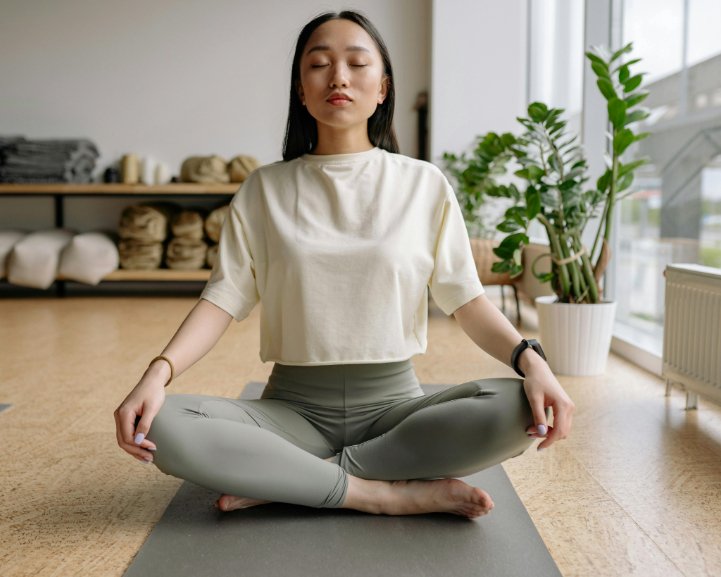
The combination of these practices creates a powerful union that boosts the benefits of each method. Research demonstrates that breathwork yields better mood improvements and lower respiratory rates when combined with meditation. These techniques provide a complete approach to mental wellness by leveraging their strengths.
Breathwork sets up your mind for more profound meditation by creating the right physical state. This practice relaxes your body and mind before meditation, which helps you reach deeper states of meditation. The process activates your parasympathetic nervous system and reduces cortisol levels. Your body’s energy channels open up through intentional breathing, which releases tension more effectively. Studies show that breathwork functions as a mind-body switch that transforms stress into calmness.
These practical techniques build a strong foundation for meditation:
Research suggests this combined approach works better than medication targeting neurotransmitters to address physical changes in stress, anxiety, and depression.
You can combine meditation and deep breathing in the powerful yet calming SKY Breath Meditation technique. SKY is one of the most studied breathing meditation methods. Research shows that SKY’s rhythmic breathing patterns activate the parasympathetic nervous system, lower cortisol, and increase heart rate variability, creating a calm physiological state that naturally transitions into meditation.
What makes SKY unique is that it’s not just a wellness trend—it’s been studied in clinical settings. Clinical studies have demonstrated significant reductions in stress, anxiety, depression, and post-traumatic stress disorder, along with improvements in emotional well-being, sleep quality, and resilience (Seppälä et al., 2020; Zope & Zope, 2013; Brown & Gerbarg, 2005).
| Aspect | Breathwork | Meditation |
| Approach | Active breathing pattern control through conscious effort | Passive observation of natural breath |
| Speed of Results | Quick body and mind benefits | Results build up over time |
| Time Commitment | Quick 5-minute sessions work well | Usually needs 20 minutes or more |
| Learning Curve | Easy to pick up and adapt to | Takes weeks of practice to master |
| Primary Benefits | – Stress relief right away – Direct control of the nervous system – Helps lower blood pressure – Boosts creativity – Quick anxiety relief |
– Better self-awareness – Sharper attention and focus – Better emotional control – Quality sleep – Slows cognitive decline |
| Practice Style | Clear patterns you can follow | Mental techniques without a rigid structure |
| Accessibility | Works anywhere, no equipment needed | Needs quiet space and dedicated time |
| Primary Purpose | Quick body and mind results | Long-lasting mental and emotional health |
| Physical Component | Active breathing movements and exercises | Minimal movement while sitting still |
| Focus Method | Count breaths or follow specific patterns | Focus on feelings, sounds, or mantras |
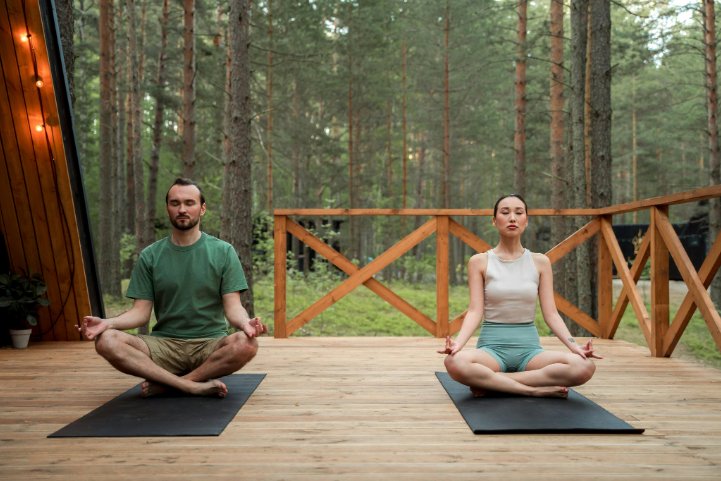
Our research into breathwork and meditation has shown that both help create calm in different ways and time frames. Breathwork clearly works better for quick stress relief. It controls our nervous system in minutes and gives beginners an easy way to start. This hands-on method quickly stops our stress response, which makes it ideal when we need fast relief.
Meditation shines differently by creating profound, lasting changes. It needs more patience and practice, but it changes how we deal with thoughts and emotions. The practice helps build self-awareness and improves our brain function over time. Our brains rewire themselves to handle stress and anxiety more effectively.
These approaches work best together rather than competing with each other. Many people get great results by using both – they often start with breathwork to calm down before moving into more profound meditation. This combined approach uses breathwork’s quick calming effects while building meditation’s long-term benefits.
The choice between these practices comes down to your needs, schedule, and personal preferences. Some people prefer breathwork techniques for quick relief during stressful moments. Others might focus on meditation to better control their emotions long-term.
Both practices deserve a place in your wellness routine. You might choose breathwork because it works quickly, meditation because it goes deep, or both together. Regular practice helps you get the most benefits. The path to inner peace offers many options – each one can change your life if you approach it with patience and dedication.
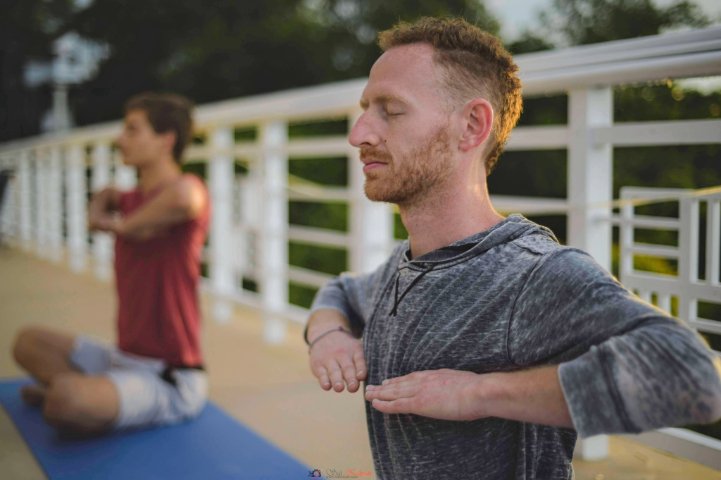
Breathwork can calm your body. Meditation can quiet your mind. In the Art of Living Part 1 Course, you’ll experience SKY Breath Meditation—a unique, science-backed practice that blends the best of both for results you can feel in minutes.
It’s not just faster calm—it’s deeper, longer-lasting peace.
🌬️🧘 Two paths, one practice, lasting transformation.
👉 Join the course and discover how breath and meditation work better—together.