Lifestyle
Discover practical mindfulness techniques to enhance your daily life and find balance. Read the article for simple practices that promote well-being.

Updated on: 5th August 2025
Posted on: 26th July 2025
Did you know that everyone has at least 10 minutes to spare for mindfulness in daily life?
Our hectic schedules shouldn’t prevent us from incorporating small moments of awareness throughout the day that can transform our experience of life. Mindfulness techniques make us more present. They help us make better choices, work faster, and build stronger relationships. Practicing everyday mindfulness improves our memory and concentration skills. It helps us feel less distracted and manage stress better.
Mindfulness tools have proven their worth in treatments for anxiety and depression. Even a few moments of mindfulness can make a significant difference in our overall well-being.
This piece will show you how to weave mindfulness into your day—from your morning coffee ritual to your bedtime routine. These practical approaches will keep you grounded, focused, and calm through life’s inevitable ups and downs.

Mornings provide us with a perfect opportunity to prepare for a mindful day. Those first moments after waking create a special mental state. Scientists refer to this as the “twilight theta-brainwave state,” which aids in insight, creativity, and deep awareness. A mindful morning routine enables us to begin the day on our own terms, rather than simply reacting to external forces.
Your daily coffee ritual is a great chance to practice mindfulness naturally. You can bring the same focused attention to making coffee that you use in meditation—staying completely present. The deep, rich aroma fills the air as you scoop coffee grounds into the filter. You hear the coffee brewing and watch the first drops sizzle into the carafe. This simple practice allows you to engage all your senses and keeps you grounded in the present moment.
Each day should start with a reminder of your intention. This isn’t about creating performance goals, but about identifying thoughts and actions that align with your core values. Research shows that writing down your intentions makes them more likely to happen through a brain process called encoding. Your intentions should be simple and specific because your brain needs clarity to stay focused. Place your written intention somewhere you can see it during your morning routine; it serves as a powerful reminder.
Body scan meditation is the quickest way to transition from sleep to wakefulness. The practice requires you to focus on each body part one at a time. Start by checking any tight spots in your feet and work your way up through your legs, torso, arms, and head. Take deep breaths into each area and release any discomfort. This helps you understand how your body feels before starting your daily tasks. The body scan fosters a connection between the mind and body, helping you relax before facing the day’s challenges.

Our work just needs often pulls our attention in many directions at once. Mindfulness in everyday life becomes especially valuable during work hours and household chores, when our minds tend to wander the most.
Most people believe in multitasking, but it actually reduces productivity significantly. Research shows you can get more done with fewer errors by focusing on one task at a time. The One-Thing-at-a-Time Meditation Practice gives you a simple approach: pay complete attention to your current task.
The Notice-Change-Rewire technique helps build this habit:
Less clutter—both physical and digital—helps maintain focus. You should close unnecessary browser tabs, silence notifications, and create a prioritized to-do list with no more than three important items.
Your brain gets a natural reset when you move mindfully between activities. Take a brief walking break without your phone or headphones, rather than jumping from one task to another. Let your attention rest on physical sensations—your feet’s connection with the ground, your arms’ natural swing, and the rhythm of your breathing.
This practice helps alleviate physical tension and clears your mind. You’ll tackle tasks with fresh focus and better thinking when you return to work.
Try a walking meditation when you need a quick break.
Your breath is a powerful tool against workplace stress. Many adults face significant stress at work that directly leads to cardiovascular disease. Deep breathing exercises (DBE) can lower your resting blood pressure and reduce stress and anxiety.
The 4-7-8 breathing technique works great during stressful moments:
You can also try the “physiological sigh”—two quick inhales through your nose followed by one long exhale through your mouth. Just 1-3 cycles can calm you down by releasing excess carbon dioxide and increasing oxygen levels.

Evening brings an opportunity to create mindful transitions that help us let go of daily stress and prepare for sleep. A thoughtful evening routine allows us to process our experiences and release lingering tension.
Mindful eating turns dinner from a rushed activity into a way to keep people fed and present. Start by honoring the origins of your food and the people who prepared it. Your senses should be fully involved with the meal – notice colors, aromas, textures, and flavors on your plate. Each bite deserves attention through proper chewing. Put your fork down between bites.
Research reveals 66% of Americans eat dinner while watching TV. This distracted eating encourages us to eat more than we need. Mindful eating helps us recognize our 80% fullness point, which prevents overeating.
Evening journaling creates a clear line between today and tomorrow. Picture it as drawing a line in the sand that helps put your day to rest, both mentally and physically. Sleep quality improves substantially with just five minutes of putting your thoughts on paper.
Try these bedtime journal prompts:
This simple practice helps close today’s chapter and keeps tomorrow fresh.
Guided imagery is the quickest way to alleviate mental and emotional stress while lowering your heart rate. Your eyes should close as you picture yourself in a peaceful setting – perhaps a beach or forest. Rich details matter – what you see, hear, smell, and feel in this space.
Color imagery helps release tension: scan your body for discomfort, see this tension as red, then watch it turn blue with deep breaths. The color changes from red to blue as tension melts away with each breath.
These mindfulness techniques create a gentle bridge from day to night, preparing your body and mind for restful sleep ahead.

The last few hours before bedtime are ideal for deepening your mindfulness practice. A consistent bedtime routine signals to your brain that it’s time to transition from being awake to sleeping.
A body scan meditation lets you release physical tension from your day. Lie down comfortably and focus your awareness on different body parts, starting at your toes and moving up to your head. You’ll notice tension in some areas. Just acknowledge it without judgment and picture that area completely relaxing. This practice relaxes your muscles and triggers your body’s natural calming response. The “bear hug” exercise utilizes the soothing effects of self-touch to lower your cortisol levels.
You can also practice a body scan called Yoga Nidra for a deeper sleep.
Focusing on gratitude before bed can have a profound impact on your nervous system. This simple practice shifts your attention from worries to the positive aspects of your day, fostering pleasant emotions that promote better sleep. Research shows that gratitude practices rewire your brain to build emotional resilience. Take five minutes to write down what you’re thankful for – both big and small things. This conscious focus on positive moments helps let go of negative thoughts that might keep you awake. Try this Gratitude meditation for more calm.
Certain breathing exercises activate your parasympathetic nervous system, preparing your body for deep sleep. The 4-7-8 technique is effective: breathe in through your nose for 4 seconds, hold for 7 seconds, then exhale completely through your mouth for 8 seconds. Regular practice lowers your heart rate and blood pressure, creating ideal conditions for sleep. You can also try diaphragmatic breathing – place one hand on your chest and another on your stomach, then breathe deeply so only your stomach hand moves.
Note that consistency matters most. These mindfulness techniques gradually become sleep signals, helping your mind understand when it’s time to let the day go and welcome restful sleep.
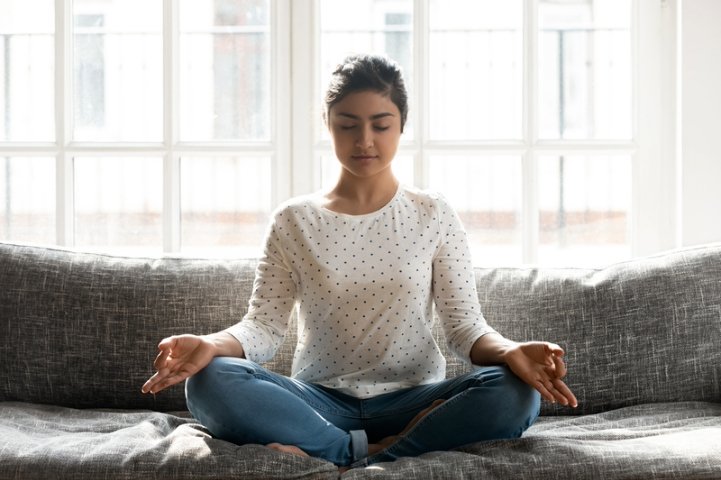
Mindfulness is a powerful tool that changes our daily experiences when we weave it into our day. In this piece, we’ve looked at practical ways to build awareness from morning to night. These practices don’t require significant lifestyle changes – just small moments of presence added to the things we already do.
Your morning coffee, work breaks, evening relaxation, and bedtime routines offer perfect chances to be mindful. You can start with just one practice that resonates with you. Once you become skilled at that technique, you might naturally expand to other parts of your day.
Studies show that the benefits go well beyond just relaxation. These simple practices help improve focus, lower stress, boost emotional control, and reduce anxiety and depression. Science continues to reveal how these awareness techniques actually change our brain’s structure for the better.
Note that staying consistent matters more than being perfect. Some days you’ll feel deeply connected to your practice, while others might be harder. Without doubt, what matters is your steadfast dedication to finding presence again and again.
Life moves fast, but mindfulness teaches us to slow down and value each moment. This awareness helps us live more fully and with purpose. Take the first step today with just a few minutes of attention – your mind, body, and overall well-being will thank you.

Mindfulness isn’t just for quiet moments—it’s for your whole life. The Art of Living Part 1 Course teaches SKY Breath Meditation, a powerful, evidence-based practice that helps you stay centered and calm from your first sip of coffee to your evening wind-down.
In just a few days, you’ll learn how to reset your mind, regulate your emotions, and bring presence into everything you do—no matter how busy life gets.
☀️ Breathe better. Live brighter. Sleep deeper.
👉 Join the course and discover how your breath can bring mindfulness into every part of your day.