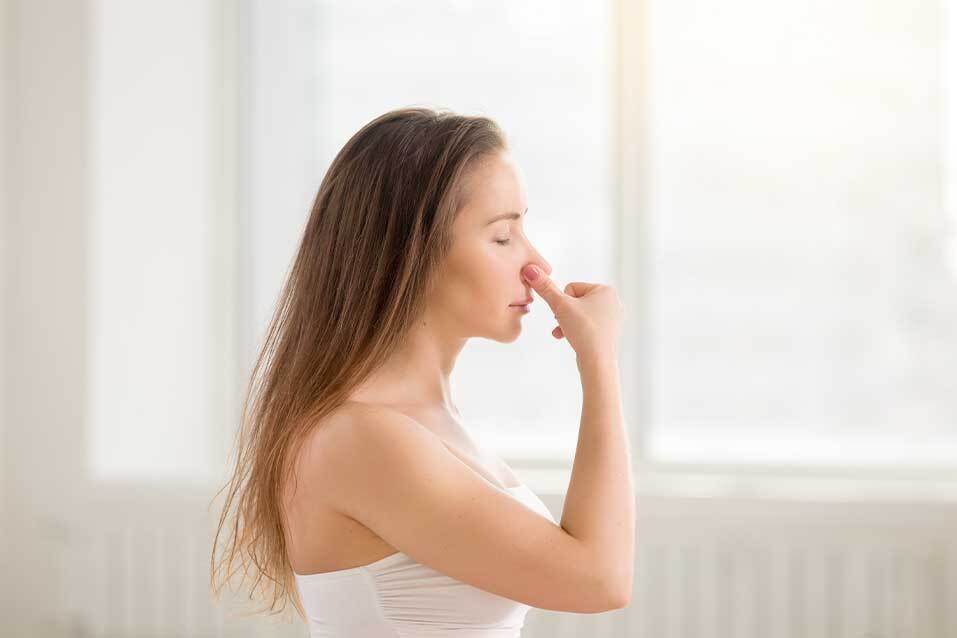
Beginners Guide
Discover effective breathing meditation techniques to alleviate stress and anxiety. Learn practical methods to enhance your mental well-being. Read more!

Updated on: 28th August 2025
Posted on: 19th August 2025
The pandemic triggered a surge in anxiety and depression worldwide, leading to overwhelmed mental health providers and extended therapy waiting lists. What if a simple five-minute breathing meditation could substantially lower your anxiety levels and boost your mood?
This isn’t just speculation. A newer study, published in Cell Reports Medicine, demonstrates that daily five-minute breathing exercises over a month can enhance mood and reduce anxiety. These benefits proved more impressive than those from mindfulness meditation practiced for equal duration. The results show up quickly, too – just five minutes can lead to reduced anxiety, improved mood, and slower breathing rates, indicating a calmer body state.
The findings bring hope to anyone looking for quick anxiety relief through deep breathing. Study participants who practiced controlled breathing saw their daily mood scores rise by 1.91 points on the standard scale. The mindfulness meditation group scored 1.22 points – making breathing exercises about one-third more effective. Cyclic sighing, which emphasizes slow exhalation, stood out as the most potent technique among all tested breathing methods.
Let me guide you through creating and practicing an effective five-minute breathing meditation with cyclic sighing. You’ll learn why this technique works so well and how to make it part of your daily routine.
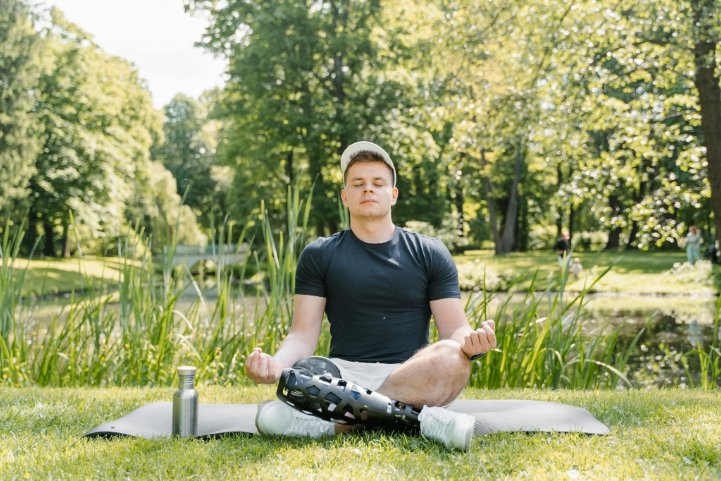
The breath-emotion connection forms the foundation of our nervous system. Your breathing pattern affects your autonomic nervous system directly. This system controls involuntary bodily functions like heart rate, blood pressure, and stress response. The relationship works both ways – your emotions affect your breathing, and your breathing can change your emotional state.
Our breathing patterns significantly influence our perception, emotion, and cognition. Each inhale increases your pupil diameter, speeds up reaction time, and heightens fear response. The opposite happens during exhalation. Your breathing synchronizes neuronal activity in networks vital to emotion and memory, which affects your brain’s information processing.
Breathing holds a unique position among bodily functions. Unlike digestion or heartbeat, you can control your breath right away. This control allows you to influence your body’s physiology and emotional response.
Your breathing pattern changes as part of the fight-or-flight response when anxiety hits. Upper chest breathing activates your sympathetic nervous system and releases stress hormones like cortisol and adrenaline into your bloodstream. A negative cycle begins – your anxiety grows stronger as your breathing becomes faster.
Breathing rates increase along with uncertain information, which leads to higher cortical arousal. Your cortisol levels rise when you breathe faster through your mouth. This can trigger feelings of stress, anxiety, and panic attacks.
Your body’s natural relaxation response activates when you slow down your breathing. The exhalation phase soothes your nervous system particularly well.
Most adults find optimal balance in their stress response by breathing slowly at 4.5 to 6.5 breaths per minute. Research shows that slower breathing is associated with better moods. People who slowed their breathing the most saw the most significant improvements in their mood.
You gain control through conscious breathing. This breaks the anxiety cycle and creates room to respond thoughtfully to stressors instead of reacting automatically.

Cyclic sighing is a breathing technique that makes use of intentional sighing to calm your nervous system fast. Regular sighs happen naturally, but this technique uses specific breathing patterns that create measurable effects in your body. Scientists at Stanford University found that this method showed better daily mood improvements than other breathing exercises.
Your cyclic sighing practice should work like this:
The main difference from regular deep breathing comes from the double inhalation paired with a strong exhale. This combination fully expands and empties your lungs to reset your breathing pattern.
Long exhales are at the heart of the success of cyclic sighing. Your parasympathetic nervous system becomes significantly activated during these extended exhales. This happens in your body because:
Cyclic sighing works like a switch for your body’s relaxation response. This technique triggers your parasympathetic (“rest and digest”) nervous system in several ways:
The conscious control over breathing creates a powerful connection between mind and body. Breathing exists right at the crux of automatic versus mentally directed physiological control. The vagus nerve responds to the extended exhale part and sends signals to your brain that activate parasympathetic responses.
Your body creates a positive feedback loop naturally. The slower breathing leads to a decreased heart rate, which reinforces the calming effect and helps you move from “fight-or-flight” to a restorative state.
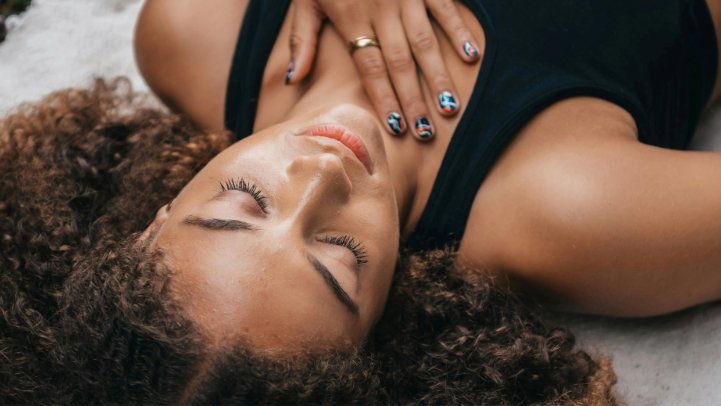
Scientific research now confirms what practitioners have known all along – quick breathing exercises can make a real difference. A breakthrough study from Stanford University researchers has added scientific backing to this time-tested practice.
Stanford’s research team created a detailed study that compared three breathing techniques with mindfulness meditation. Their trial included 108-114 participants who did their assigned exercise for just five minutes each day over a month. The team tracked mood changes, anxiety levels, and body measurements like heart rate and breathing patterns before and after each session. The results were clear – 90% of participants had positive results with their assigned techniques.
The researchers got into three specific breathing patterns:
Every breathing technique helped, but cyclic sighing worked best. The results showed that breathing exercises had better outcomes than mindfulness meditation, which suggests that controlling your breath actively leads to faster body changes.
People doing breathing exercises saw their daily positive mood increase by 1.91 points, while the mindfulness group improved by 1.22 points—about one-third better. Anxiety levels dropped in all groups, with breathing groups showing a 3.03-point decrease and meditation groups showing a 3.95-point reduction.
Cyclic sighing stood out by lowering breathing rates more than mindfulness meditation. This change in breathing is directly related to better moods—people who slowed their breathing the most felt the most significant boost in positive feelings.
The research showed that short daily practice creates real benefits. These positive effects grew stronger as the study went on—more practice led to better results. This improvement pattern suggests that doing it regularly matters more than doing it for long periods. Five minutes fits easily into anyone’s schedule without feeling like a chore.

Creating an environmentally responsible five-minute breathing meditation routine needs careful planning and execution. The right approach can make this simple practice the animating force of your daily wellness routine.
This five-minute breathing meditation’s beauty lies in its flexibility—you can do it virtually anywhere, anytime, with zero cost and zero side effects. Notwithstanding that, beginners should start in quiet, comfortable environments with minimal distractions. Many practitioners find that bookending their day works exceptionally well. A morning session sets a positive tone, and an evening practice helps release accumulated tension before sleep.
The best results come from sitting comfortably with proper posture or lying down in a relaxed position. You can boost your practice by dimming lights, playing soft music, or using aromatherapy to create a conducive atmosphere.
Consistency forms the lifeblood of success with breathwork. Research shows effects accumulate over time—more consecutive days of practice lead to greater benefits. To keep regular:
Note that all but one of these participants found video instructions “very easy” or “somewhat easy” to follow, so keep the technique simple.
Progress tracking maintains motivation and reinforces the benefits you experience. These tracking methods work well:
First, employ breathwork applications such as Headspace, Simple Habit, Sattva, or The Art of Living Journey app that provide complete statistics. Second, keep a simple mood journal, noting how you feel before and after each session. Third, complete a reflective form documenting your experience.
The Stanford study participants who completed assessments before and after each practice provided feedback on their progress. This awareness helped them see the cumulative benefits of their daily five-minute investment.
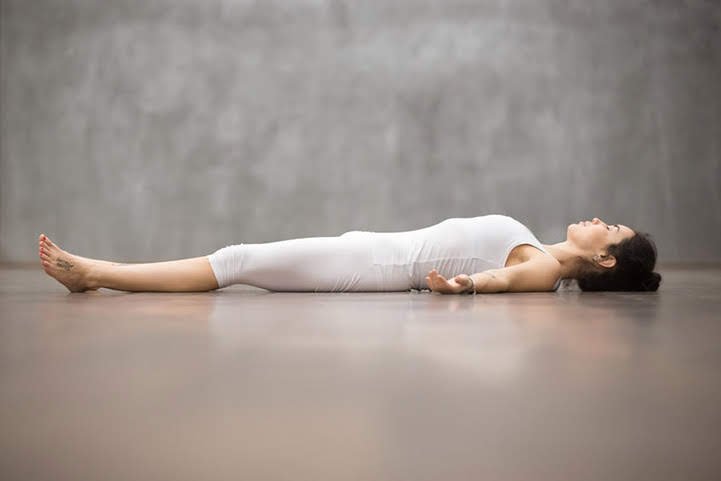
Q1. How do I perform cyclic sighing for a five-minute breathing meditation? To practice cyclic sighing, sit comfortably and inhale slowly through your nose, partially filling your lungs. Take a second, deeper breath to expand your lungs fully, then exhale slowly through your mouth for about twice as long as your inhales. Repeat this cycle for five minutes.
Q2. Why is cyclic sighing more effective than other breathing techniques? Cyclic sighing is particularly effective because it emphasizes prolonged exhalations, which activate the parasympathetic nervous system more strongly. This leads to greater improvements in mood and anxiety reduction compared to other techniques like box breathing or mindfulness meditation.
Q3. How often should I practice the five-minute breathing meditation for the best results? For optimal benefits, aim to practice the five-minute breathing meditation daily. Consistency is key, as the positive effects accumulate over time. Even if you can’t do it every day, regular practice will still yield noticeable improvements in mood and anxiety levels.
Q4. Can I practice this breathing technique anywhere? Yes, you can practice this five-minute breathing meditation almost anywhere. However, beginners may find it helpful to start in a quiet, comfortable environment with minimal distractions. As you become more experienced, you can easily incorporate it into your daily routine, whether at home, work, or on the go.
Q5. How can I track my progress with this breathing meditation? To track your progress, consider using breathwork apps that provide statistics, keeping a mood journal to note how you feel before and after each session, or completing a reflective form documenting your experience. Monitoring your journey can help maintain motivation and reinforce the benefits you’re experiencing.
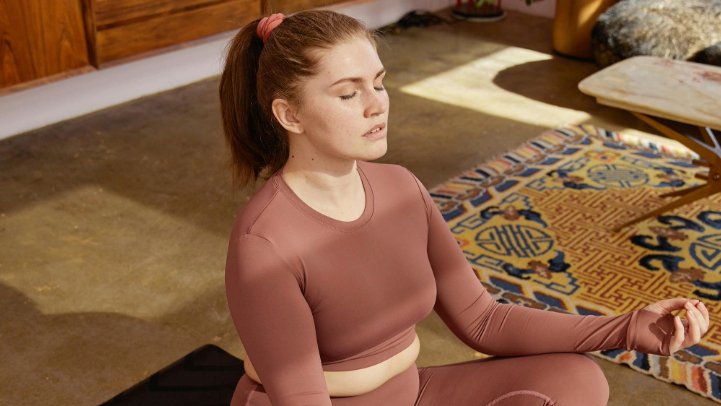
Cyclic sighing through breathing meditation helps manage anxiety and boost your mood effectively. Five minutes of daily practice can give you better results than traditional mindfulness meditation. Your body naturally relaxes when you follow the double-inhale and long exhale pattern. This activates your parasympathetic nervous system and promotes well-being.
You don’t need special equipment, training, or much time to practice this technique. The method is simple to learn and works anywhere. Stanford research shows that regular practice matters more than how long you do it. This makes the five-minute routine perfect if you lead a busy life.
The connection between mind and body through breathing gives you amazing control over your emotions. Each long exhale triggers your vagus nerve and slows your heart rate. This breaks the anxiety cycle and brings real mental health benefits.
Give cyclic sighing a try today. Begin with small steps and keep track of how you feel. This simple practice will change how you deal with stress and anxiety. Your breath is always there as a tool to regulate emotions. Science backs this method, and you can start seeing benefits with just five minutes each day.
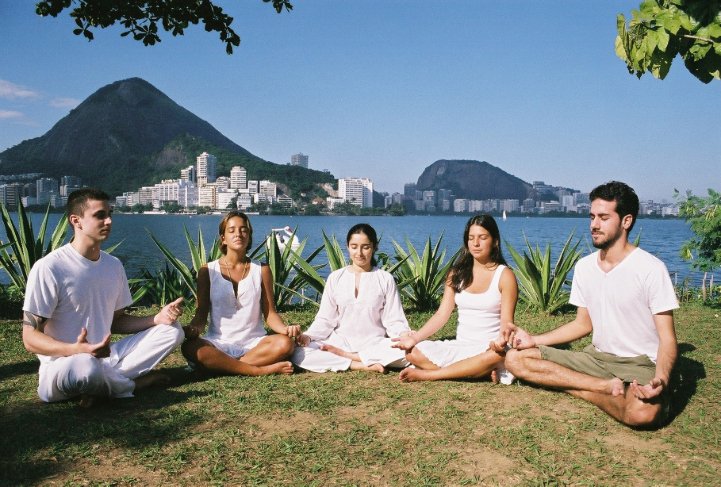
In the Art of Living Part 1 Course, you’ll learn SKY Breath Meditation, a proven practice that goes beyond quick relief to bring lasting energy, focus, and peace into your daily life.
It’s simple, effective, and designed for beginners—yet powerful enough to transform how you feel every day.
🌬️ Five minutes is a start. SKY takes you further.
👉 Join the course and experience a practice that truly works—for life.