Beginners Guide
Discover how to gauge your meditation progress with key indicators of growth. Learn to recognize your development and enhance your practice. Read more!

Updated on: 28th August 2025
Posted on: 11th August 2025
Many people question their meditation practice when they don’t feel anything special during sessions. You’re not alone. Most beginners expect immediate feelings of bliss or deep insights, but real progress rarely works that way.
Your feelings during or right after meditation don’t indicate success. The best signs of progress appear as subtle changes in your daily life. These changes can be so gradual that others notice them before you do.
Meditation experts recommend evaluating your practice after six months of consistent work. Simple questions can help you assess your progress: Do you stay calmer under pressure? Has your temper improved? Does life feel less dramatic? Are your relationships better? If you answer yes to most questions, you’re moving in the right direction.
This piece will help you identify genuine signs of meditation progress – from early indicators to long-term changes. You’ll learn about common misconceptions and get practical steps to assess your practice. Let’s find what real meditation progress looks like beyond your meditation cushion.
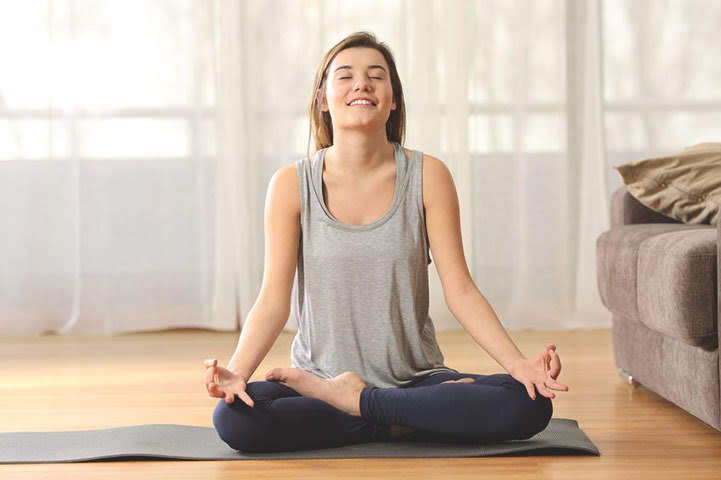
Many meditation beginners want quick results or pleasant experiences to show they’re making progress. But this fundamental misunderstanding can make them feel frustrated for no reason.
Your mind faces a unique challenge with meditation progress. The same mind that judges the progress is also being judged. Your point of view changes as you meditate, which makes it almost impossible to compare objectively. True meditation progress isn’t about chasing good feelings or specific experiences. Getting attached to feeling good during meditation creates tension that stops you from relaxing.
You make real progress when you sit down to meditate every day. It doesn’t matter if the session feels good or bad. One practitioner puts it well: “real progress could maybe be said to be found in the willingness to sit down, day after day, no matter how you are feeling”.
Regular practice brings calmness, but clarity shows a more profound change. Calmness gives you temporary relaxation. Clarity helps you understand your thoughts, emotions, and behaviors better.
Daily meditation lets you see your thoughts more clearly without jumping to react. This better awareness helps you think before you act. On top of that, it enables you to notice when your mind wanders and brings your attention back to now.
Beginners often have wrong ideas about meditation:
First, they think meditation means emptying their mind. All the same, meditation isn’t about stopping thoughts – it’s about knowing how to watch them without reacting. Your brain makes thoughts naturally. Meditation teaches you to notice them without judging right away.
Second, they expect to see results quickly. Meditation progress builds up slowly with tiny changes you might not notice. One source explains these changes happen “like how even a piece of metal wears away imperceptibly when you look at it day to day”.
Last, many new people think meditation just reduces stress. While it does help with stress, meditation offers much more – you become more self-aware, think better, and handle emotions better.
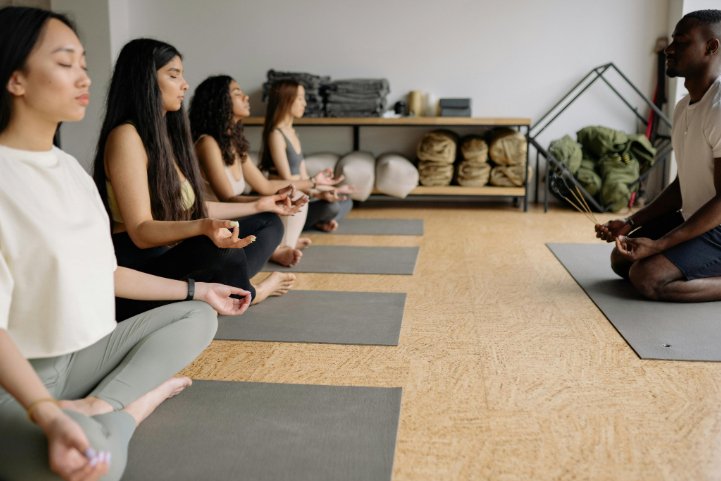
Your regular meditation practice brings subtle but meaningful changes. These early signs show you’re heading in the right direction, even before significant changes happen.
The first sign of progress shows up as better awareness of your thought patterns. Your mind’s constant activity becomes more apparent. This new self-awareness signals something positive – you’re developing what meditation teachers call “witnessing consciousness.”
A consistent practice helps you spot when thoughts take over without jumping to judge them. This creates room between your thoughts and reactions so you can view them clearly. One expert’s words ring true: “We have the ability to see thoughts not only as we replay them, but also in the moment itself, as they arise.”
Your skill improves as you catch your wandering mind and refocus. Each time you notice a distraction and return to your breath, your meditation muscle grows stronger.
New practitioners often think a wandering mind means failure. The truth is different – catching yourself and coming back forms the heart of the practice. Meditation teachers remind us: “It is not a failure to find ourselves drawn away from the object of meditation; this is a natural aspect of training the mind.”
The most practical progress shows up in everyday moments of mindfulness. You might catch yourself:
These unexpected mindful moments show your practice reaches beyond meditation sessions. Harvard Health points out: “Practicing everyday mindfulness can improve your memory and concentration skills and help you feel less distracted and better able to manage stress.”

The early days of meditation show quick wins, but the real magic happens when you stick with it. Your whole outlook on life transforms in more profound ways.
A few months of regular meditation changes how your body and mind handle stress. Science shows that mindfulness meditation significantly reduces stress hormones and inflammation when you face challenging situations. People who meditate bounce back from stress nowhere near as slowly as others. Their cortisol levels return to normal faster after stressful tasks.
The more you practice, the more you’ll notice a pause before reacting to things that used to set you off right away. This space between what happens and how you respond shows real progress in your meditation trip.
People who meditate for years often say their connections with others become smoother. Research tells us that regular meditation helps people feel closer to others and share more openly. We noticed this happens because meditation keeps you present during talks instead of planning your next words or sizing up the other person.
Meditation gives you a better view and makes you more aware of life’s gifts. This builds gratitude – something that predicts lasting love. Your partner feels more valued, so your connection grows stronger.
Being grounded means you’re fully here – in your body and space. As you dive deeper into meditation, you’ll find yourself feeling centered more often, even when things get crazy.
This solid foundation helps if your thoughts wander to the past or future. You can ride out emotional storms by staying connected to something stable. Challenging experiences won’t drain you as much, and you’ll remain anchored in the now.
The most extensive longitudinal study shows meditation builds emotional intelligence. It weakens neural pathways in the amygdala (where fear and anger start) while building stronger connections in the prefrontal cortex (home of rational thinking).
Your “gut feelings” get sharper too, thanks to changes in your brain’s insula region. This deeper emotional awareness creates room between what you feel and how you act. You can see your emotions without letting them run the show.
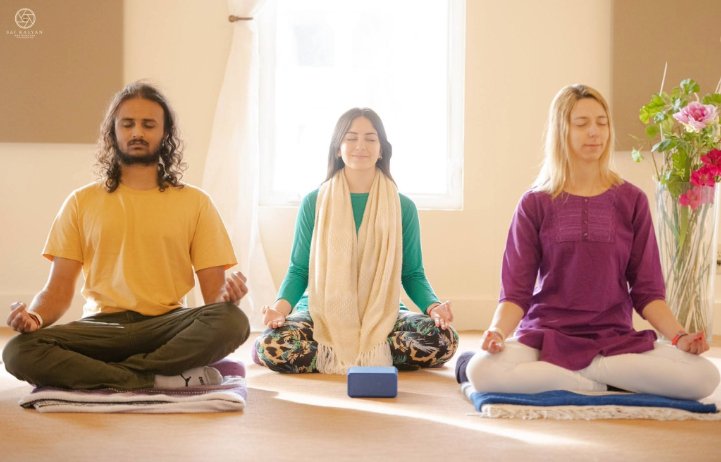
Not sure if your meditation practice works? Outside viewpoints and well-laid-out approaches can bring clarity when you doubt your judgment.
A meditation community gives you both accountability and validation. Group settings let you talk about your experiences with fellow practitioners who know the subtle signs of meditation progress. Regular classes or sangha (meditation community) give you feedback that helps more than just checking your progress.
Meditation centers now have both in-person and online options, making it easier to connect from anywhere. Look for groups matching your experience level – beginner groups often talk about common challenges and ways to track progress.
Expert meditation teachers have helped countless practitioners through the same doubts you might have. A qualified teacher can look at your practice, answer your questions, and give you customized guidance based on your situation during a one-on-one session.
Teachers spot subtle signs of progress you might miss because of their experience. They help you know if your technique needs changes or if you’re just going through a natural plateau in your practice.
Meditation covers many approaches, so trying different styles might help you see things clearly:
Exploring various approaches doesn’t mean giving up your primary practice. You might discover progress in unexpected areas and gain fresh viewpoints.
Long-term changes become clear even though daily practice varies. Mark your calendar to assess your practice every three months. Track these changes:
Keeping a journal gives you a clear record of your experience. Reading old entries shows big changes that happened so slowly you didn’t notice them at first.

Q1. How can I tell if my meditation practice is effective? Look for gradual changes in your daily life, such as improved stress management, better relationships, and increased self-awareness. Progress in meditation often manifests subtly over time rather than through immediate sensations during practice.
Q2. What are some early signs that my meditation is working? Early indicators include noticing your thoughts more clearly, returning to your breath more easily when distracted, and experiencing spontaneous moments of mindfulness during everyday activities.
Q3. How long does it typically take to see results from meditation? While individual experiences vary, many practitioners notice subtle changes within a few weeks of consistent practice. However, more significant transformations often become apparent after about six months of regular meditation.
Q4. Should I feel calm or relaxed during meditation? Not necessarily. While calmness can occur, the goal of meditation is to develop awareness rather than achieve a specific state. It’s normal to experience various thoughts and emotions during practice.
Q5. What should I do if I’m unsure about my meditation progress? Consider joining a meditation group, consulting with an experienced teacher, trying different techniques, or keeping a journal to track your progress over time. Remember that consistency in practice is more important than achieving particular experiences.
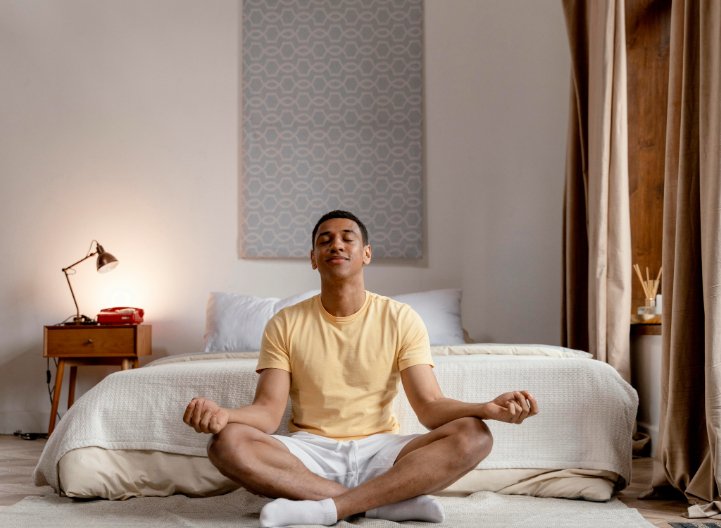
Meditation changes our lives in subtle yet profound ways that go beyond our time on the cushion. This piece shows that actual progress isn’t about feeling blissful while meditating. It’s about seeing small changes in how we live each day. The real test of meditation shows up in how we handle life’s challenges, not in brief feelings during practice.
You might first notice small wins in your meditation. These could be spotting thought patterns more clearly or coming back to your breath when your mind wanders. Sometimes you’ll find yourself more present during simple daily tasks. Each of these minor signs shows your growing awareness and deserves celebration.
Profound changes take time, so patience matters. Many people find they react better to stress. Their relationships improve. They feel more grounded. They learn more about their emotions. These changes often happen so slowly that you might not notice them without taking time to look back.
You might wonder if your practice works. That doubt is a natural part of the process. A meditation group, guidance from teachers, trying new methods, or keeping a journal can offer fresh viewpoints when you’re unsure about your progress.
Success in meditation doesn’t follow one timeline or look the same for everyone. The key is showing up each day, regardless of how your sessions feel. When you practice without chasing specific results, you create space for real change. Your practice works when you live more fully in each moment. You respond instead of reacting. You face life with more clarity and compassion.
Noticing small shifts in your meditation journey? Imagine what’s possible with the right tools and guidance. In the Art of Living Part 1 Course, you’ll learn SKY Breath Meditation—a transformative, research-backed technique that accelerates your inner growth, reduces stress, and deepens self-awareness.
Whether you’re just starting or ready to level up, this course gives you the structure, support, and daily rhythm to make real, lasting progress.
🌱 Growth isn’t a mystery—it’s a practice.
👉 Join the course and experience how far your meditation journey can truly take you.