


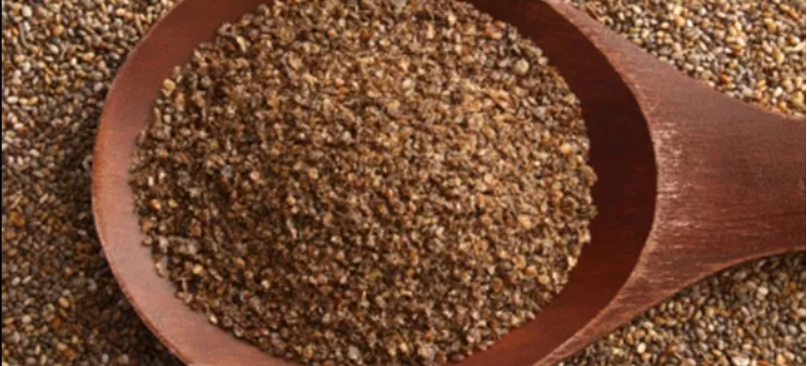
Chia seeds offer a wide range of health benefits, including diabetes control, lowering cholesterol levels, improving digestion, enhancing heart health, regulating blood pressure, and even providing anti-inflammatory properties.
Chia seeds come from the chia plant, native to Mexico and Guatemala. Chia belongs to the mint family (Lamiaceae), and its seeds resemble sesame seeds. They are very small and dark. This plant has been known and cultivated for a long time—by the Aztecs, Mayans, Incas, and other tribes for many years.
To learn more about healthy eating and which superfoods to include in your diet, you can attend the free lecture Ayurveda: The Path to Health and Balance by The Art of Living Foundation.
Nutritional Value of Chia Seeds
Tips for Using Chia Seeds:
Soak chia seeds in a glass of water and consume them the next morning with breakfast.
Soaked chia seeds can be added to cakes or cookies to replace the need for butter.
They can be added to various drinks, juices, protein shakes, and smoothies.
Chia seeds can also be sprinkled on foods at breakfast, lunch, or dinner.
You can add them to eggs to make a healthy omelet or toss them into salads.
Chia seeds can be ground and added to fresh or yogurt-based meals.
Chia seeds contain proteins, carbohydrates, fiber, calcium, iron, magnesium, phosphorus, potassium, sodium, and zinc. They also include vitamins such as vitamin C, thiamine, riboflavin, niacin, and vitamin E.
Chia seeds contain no cholesterol! They are rich in antioxidants and have very high concentrations of omega-3 fatty acids, which support overall health. Antioxidants present in chia seeds include flavonol glycosides, chlorogenic acid, caffeic acid, kaempferol, quercetin, and linolenic acid. These help reduce free radical levels in the body.
Health Benefits of Chia Seeds
Helps Control Diabetes
The starch and carbohydrates in chia seeds are released slowly compared to conventional diets, making them ideal for people with diabetes. This slower sugar release into the bloodstream allows for better absorption by cells, reducing the need for insulin.
High Omega-3 Content
Chia seeds are an excellent source of omega-3 fatty acids, which are essential for many bodily functions. They also help manage arthritis, age-related osteoporosis, dementia, and fatigue.
High in Calcium
Chia seeds contain more calcium than skim milk. A handful of chia seeds a day is recommended to combat calcium deficiency. Calcium is essential for proper body function and bone health. It also strengthens teeth and helps in osteoporosis prevention.
To understand which foods benefit your body, you can book a pulse diagnosis session with Dr. Avishek Mishra from India.
Improves Digestive Health
The high dietary fiber content in chia seeds supports healthy bowel movements and overall gut health. They also help you feel full longer, reducing overeating.
Supports Weight Management
With their high fiber content, good protein levels, moderate carbs, and omega-3s, chia seeds help manage weight effectively over the long term.
Regulates Cholesterol Levels
Chia seeds are a great source of alpha-linolenic acid and omega-3s, which help reduce cholesterol levels. Studies show chia seeds raise HDL (good cholesterol) while lowering total cholesterol.
In addition to food, physical exercise and proper breathing are essential for our health. Learn more in The Happiness Program by The Art of Living Foundation.
Anti-Inflammatory Properties
Chia seeds contain high levels of alpha-linolenic acid, which can convert into omega-3s and serve as an effective anti-inflammatory. These fatty acids help reduce joint and artery inflammation. A daily intake of around 4g of alpha-linolenic acid may help prevent arthritis.
Controls Hypertension
Regular chia seed consumption has effects comparable to blood pressure medication. It lowers systolic blood pressure by about 6 ± 4 points and reduces major cardiovascular risk factors in people with type 2 diabetes.
Heart-Friendly
Chia seeds are excellent for the heart. They are the richest vegetarian source of omega-3 fatty acids. These healthy fats protect the heart from cardiovascular diseases by reducing omega-6 (bad cholesterol) and maintaining heart health.


