


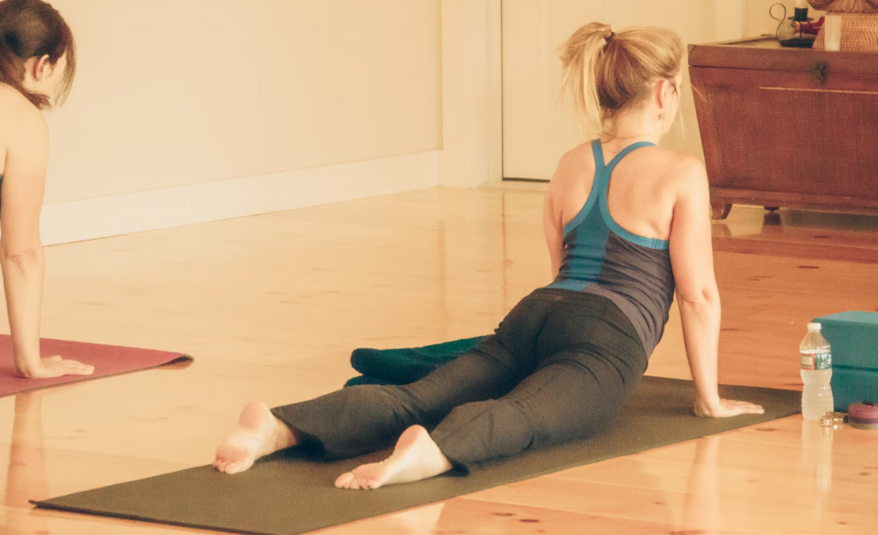
Pregnancy is one of the most beautiful experiences gifted to a woman. And yet, this nine-month journey brings with it a whirlwind of emotions to juggle! Yoga can help you navigate this journey, making it smooth and joyful.
As seen in the experience of Meghana Bragta, a yoga enthusiast and first-time mother, yoga helped her embrace the changes during pregnancy with greater ease. She shares, “The Sahaj Samadhi Meditation helped me immensely, especially during the third trimester. It helped me accept my body and all the changes in it. Nadi Shodhan Pranayama (Alternate Nostril Breathing) calms me and helps manage anxiety. I also practiced Butterfly Pose during the second half of pregnancy when my legs were swollen from water retention; at that time, I would also practice poses lying on my back.”
Just like Meghana, you too can turn to yoga and meditation as effective companions on your journey. Here are some quick tips on how to add yoga to your pregnancy checklist. It’s best to practice under the guidance of a trained yoga instructor and consult your doctor about the poses you plan to practice.
Consult your doctor and a Sri Sri Yoga teacher before you begin practicing.
Whether or not you have practiced yoga before pregnancy will influence your routine.
Shoulder rolls
Neck exercises
Cat Stretch Pose (Marjariasana)
Kneeling Pose (Vajrasana) with Ujjayi breath
Mountain Pose (Tadasana)
Side stretch with one extended arm (Konasana 1)
Side stretch with both arms extended (Konasana 2)
Triangle Pose (Trikonasana)
Warrior Pose (Virabhadrasana)
Seated Forward Bend (Paschimottanasana)
Butterfly Pose (Titliasana)
Viparita Karani (Legs-up-the-wall)
Shavasana (Final relaxation)
Yoga Nidra
1) Yoga poses support easier childbirth.
During the first trimester, choose standing yoga poses that help strengthen muscles, improve circulation, boost energy, and reduce cramps.
2) Expert note from Sri Sri Yoga:
In the later stages of pregnancy, avoid challenging poses that strain the abdominal area. Do not overstretch the belly; focus twists on the shoulders and upper back, not the abdomen. Inversions should be avoided. Yoga is not recommended between the tenth and fourteenth weeks of pregnancy.
3) Relax with breathing exercises.
The second and third trimesters are ideal for relaxation and replenishing energy through breathing techniques like Ujjayi Pranayama (Victorious Breath), Nadi Shodhan, and Bhramari Pranayama (Bee Breath). These practices help manage mood swings and completely calm the mind.
4) The key is to stay happy. That’s important for your baby too!
Yoga and meditation will help you stay calm and cheerful. You can meditate on your own or try guided meditation. Also, spend time with friends, watch comedies, and listen to soft viola or flute music.
5) Create a routine of eating, exercise, and sleep.
Make a daily schedule during your pregnancy—pick a time that works for you and stick to it. Set aside daily time for yoga and meditation! Take morning walks, follow with light stretches or swimming. Daily movement builds a strong body and mind far more than inconsistent workouts. In the second half of pregnancy, sitting or standing for long periods may become uncomfortable. Listen to your body and only do what feels right.
6) Keep your spine upright and chin lifted.
As the baby grows, its weight is felt more in the back and legs. To avoid back pain, keep your spine, head, and neck aligned. Pay attention to your posture while standing, sitting, and walking. When standing, distribute your weight evenly between both feet. Check whether you tend to lean to one side. Regular yoga practice helps improve posture and body balance.
7) Eat healthy.
Leafy salads, fruits, and water can prevent constipation and cramps. A light and easily digestible vegetarian diet is recommended. Consume plenty of yogurt and milk to maintain high calcium levels in your body. Consult an Ayurvedic doctor to find out what’s best for you.
8) Listen to ancient Sanskrit chants.
These are believed to have a deep and positive effect on the growing baby. They activate subtle energy centers in the body, creating a purifying and energizing effect. That’s why these chants are considered the yoga of sound.
Yoga nurtures both body and mind, strengthening them and offering many benefits, though it is not a substitute for medical care. It is important to practice under the guidance of a trained Sri Sri Yoga instructor. In case of any health conditions, consult your doctor and yoga teacher before practicing.
Find a Sri Sri Yoga course near you at your closest Art of Living center.
Need more info about courses or want to share your experience? Write to us at info@artofliving.bg


