
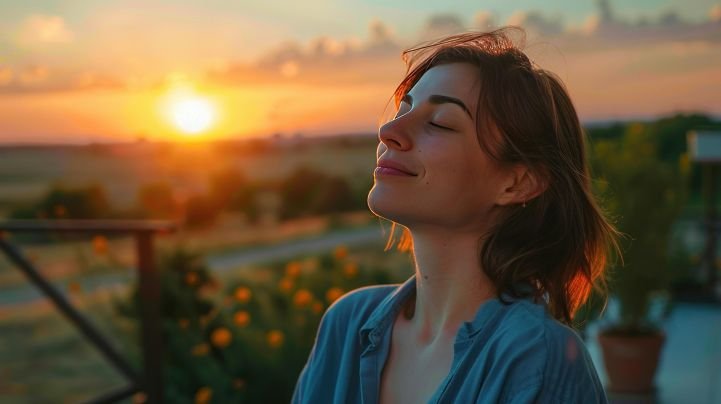
Breathing Exercises
Learn how to incorporate deep-breathing exercises into your daily routine and reduce stress, boost calm, and build lasting resilience.
Updated on: 6th January 2026
Posted on: 24th November 2025
Deep breathing exercises are one of the simplest and most effective ways to reduce stress, calm anxiety, and support your overall well-being. When you incorporate deep breathing into your daily routine—even for just a few minutes—you activate the parasympathetic nervous system, increase vagus nerve tone, and shift your body out of the fight-or-flight response. Art of Living techniques like Sudarshan Kriya (SKY), alternate nostril breathing, ocean breath, and bee breath offer powerful, science-backed methods to manage stress, improve mood, and build resilience. If you’re looking for natural ways to feel grounded, focused, and relaxed throughout the day, daily breathwork is one of the easiest habits to start—and one of the most transformative.
Incorporating deep breathing exercises into your daily routine is one of the fastest, most accessible ways to calm your mind, reduce anxiety, and build emotional resilience. Research shows that slow, rhythmic breathing activates the parasympathetic nervous system, increases vagal tone, and immediately lowers stress markers like heart rate and cortisol.
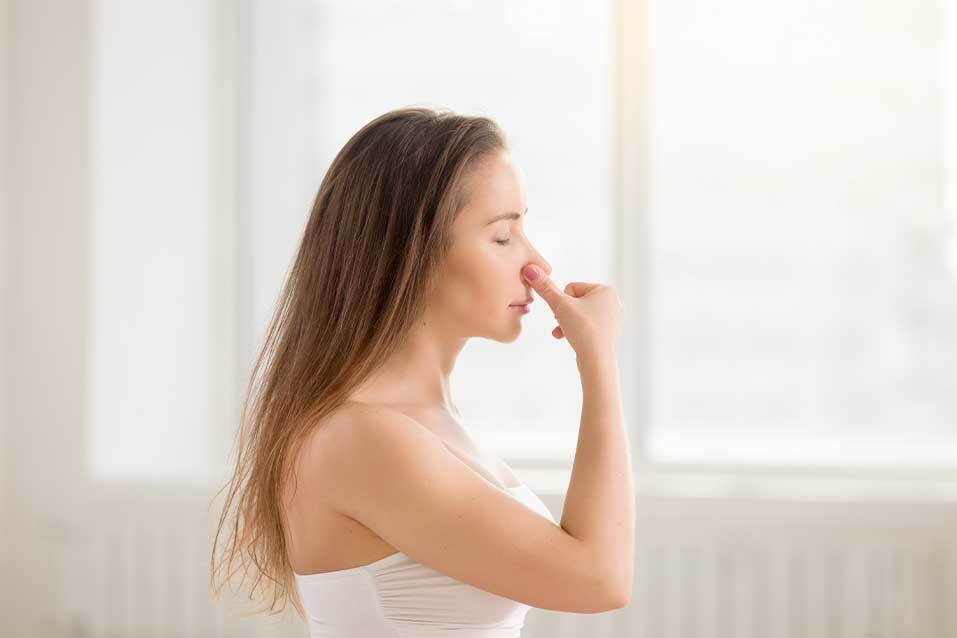
Through the Art of Living’s proven breathwork practices—such as Sudarshan Kriya (SKY Breath Meditation), alternate nostril breathing (Nadi Shodhana), ocean breath (Ujjayi), and bee breath (Bhramari)—you can create a powerful foundation for daily wellness. These techniques reset your fight-or-flight response, support better sleep, enhance focus, and improve mental clarity.
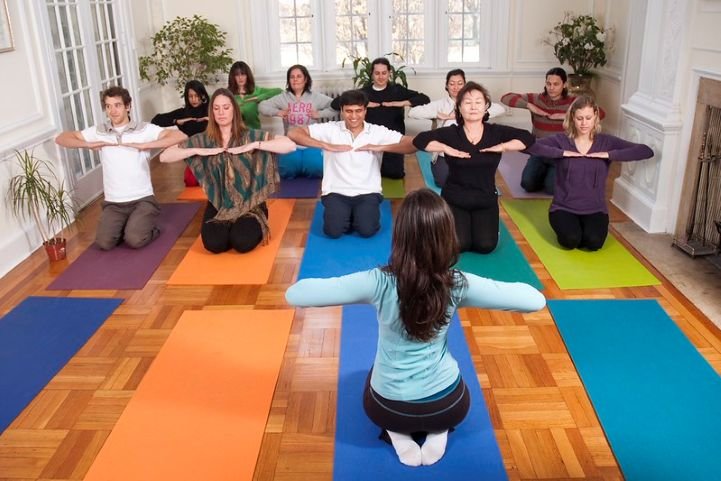
Breathing exercises benefit go far beyond getting oxygen into your system. The fight-or-flight response activates when stress hits, making your heart rate increase, your body tense, and your palms sweat.
Your breath works as a powerful tool that eases stress and reduces anxiety. Research shows that deep breathing promotes relaxation and reduces cortisol. Art of Living breathing techniques reshape your stress response and help you enter calm states more easily.
Deep breathing activates the parasympathetic nervous system, lowering heart rate, reducing anxiety, and promoting relaxation. Over time, consistent breathing practice strengthens your resilience to daily pressures.
This piece explores how to integrate Sudarshan Kriya (SKY) and other effective practices into your daily routine.
Stress triggers a chain of physical changes that significantly affect health. The sympathetic nervous system prepares the body for action by releasing hormones like epinephrine and cortisol. These accelerate heart rate, increase blood pressure, and heighten alertness.
Anxiety disorders affect nearly one-third of Americans, and rates increased by over 25% globally during the COVID-19 pandemic.
Modern stressors trigger the same biological response originally designed for life-threatening danger. Chronic activation contributes to up to 60–90% of primary-care visits.
The relaxation response brings the body back to balance. Art of Living techniques activate the parasympathetic nervous system, slowing the heart and stabilizing the mind.
Breathing directly interacts with the vagus nerve—the main communication channel between the brain and body. Art of Living tools like SKY, alternate nostril breathing, ocean breath, and bee breath leverage this pathway to rapidly calm the nervous system.
Studies show deep, slow breathing lowers cortisol, stabilizes heart rate, and signals safety to the brain.
SKY uses rhythmic breathing cycles that deeply reset the nervous system. Benefits include:
Start your day with SKY to create a calm, resilient mindset. Use ocean breath or bee breath in the evening to prepare your system for restful sleep.
Start with 5–10 minutes, 1–2 times daily. Consistency matters more than duration.
Consult a healthcare professional if you have cardiovascular conditions or dizziness. New practitioners can benefit from guidance from certified Art of Living instructors.
Breathwork prepares the mind for deeper meditation. SKY, followed by meditation (Sahaj Samadhi), creates a powerful synergistic effect supported by research.
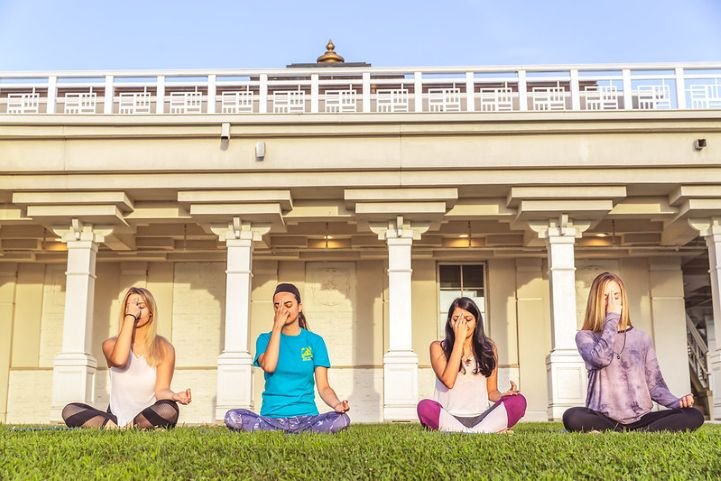
Deep breathing exercises are among the most effective natural tools for calming the nervous system, reducing anxiety, and improving overall well-being. By creating a simple daily routine—whether with Sudarshan Kriya (SKY), alternate nostril breathing, ocean breath, or bee breath—you can quickly shift your body from chronic stress into deep relaxation.
The Art of Living’s breathwork practices offer a complete framework for daily wellness. SKY provides broad emotional and physiological benefits, while other techniques like Nadi Shodhana, Ujjayi, and Bhramari support specific needs such as anxiety relief, energy, or mental clarity.
Start small, pair breathwork with existing habits, and build a routine that feels natural and consistent. With millions experiencing measurable improvements, these breathing practices offer a science-backed pathway to a calmer, healthier, and more joyful life.
Pair breathwork with existing habits—morning coffee, lunch breaks, or bedtime. Reminders help build consistency.
Begin with 5–10 minutes, 1–2 times daily. Even short sessions create meaningful shifts.
SKY reduces anxiety, improves sleep, strengthens immunity, and shows a 68–73% success rate for treating depression.
Alternate nostril breathing, ocean breath, and bee breath activate the relaxation response quickly.
Yes. Breathwork lowers heart rate, reduces mental chatter, and eases the transition into restful sleep.
Yes. Those with cardiovascular or specific health conditions should consult a healthcare provider.
If you’re new to breathwork or want a structured way to practice, the Part 1 Course is the perfect place to begin. Learn SKY and other tools for lasting calm.