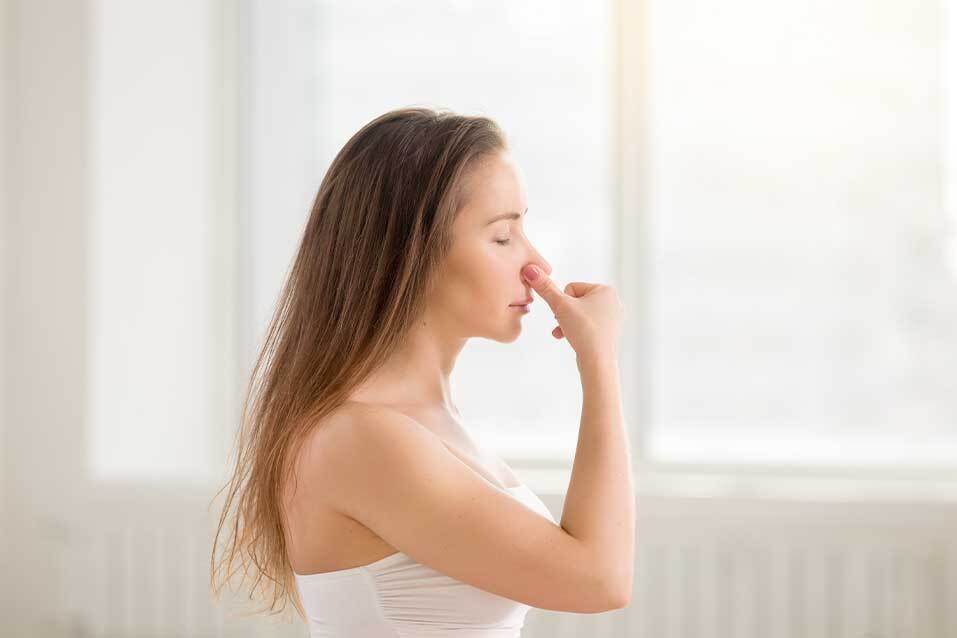
Breathwork
Discover various breathwork techniques to enhance your wellness and find balance in your life. Explore practical methods to improve your well-being today.

Updated on: 14th August 2025
Posted on: 14th August 2025
Science proves that breathwork reduces stress and anxiety. It also boosts various breathing practices that help overall wellness.
Your breath is a powerful tool that most people ignore. It’s one of the most available ways to improve your mental, physical, and spiritual health. Breathwork includes various breathing techniques and exercises that affect your wellbeing significantly. Research strongly backs up how these practices benefit your body. A 2017 study showed how breathing from your diaphragm helps you focus better and feel less negative emotions.
Breathwork stands out because it’s both versatile and effective. These breathing methods can improve your digestion and happiness. They promote self-love, help you sleep better, and manage pain. Box breathing is a great example. Mark Divine, a former Navy SEAL commander, created this technique in 1987. Military professionals have used it for decades. Research from 2018 about pursed lip breathing showed better results for COPD patients. Another study in 2017 found that resonant breathing improved people’s heart rate and mood.
This piece teaches you different breathwork methods, including techniques from the Art of Living Foundation. These methods come from ancient yogic science, and researchers have studied their effects on wellbeing extensively. You’ll find step-by-step instructions for each technique. These will help you reduce stress, sleep better, and boost your wellness trip.
Breathwork has fascinated human consciousness for thousands of years. This practice crosses cultural and geographical boundaries with its power to transform lives. People across civilizations—from ancient India and China to indigenous shamanic cultures—have used breath control as a central part of their spiritual traditions.
The Oxford English Dictionary defines breathwork as various practices that regulate breathing patterns to promote mental, emotional, and physical health. These techniques come from different traditions worldwide, including yoga (alternate nostril breathing) and Tibetan Buddhism (vase breathing). Modern developments have also emerged from psychedelic communities and scientific researchers.
Ancient yogic practices in India made breathwork an essential part of their Ayurvedic tradition thousands of years ago. Yogis created 49 different conscious breathing practices, each designed for a specific state of mind. Pranayama—which covers many breathing exercises—helps cleanse both body and mind while encouraging balance.
Chinese traditions demonstrated breathwork through practices like qigong and tai chi. These Taoist disciplines use breathing methods to promote wellbeing, energy flow, and longevity. Shamanic communities across South America, Africa, and Australia used breathwork to heal, grow spiritually, and reach higher states of consciousness.
Breathwork’s modern rise gained momentum during the consciousness-raising era of the 1960s and 1970s. Leonard Orr discovered powerful breathing techniques while experimenting in a hot tub. He learned specific patterns could access unusual states of consciousness where memories and emotions surface for release. Dr. Stanislav Grof developed Holotropic Breathwork after studying how traditional societies accessed healing states of consciousness.
Research shows promising results across many aspects of health. Scientists pay close attention to slow-paced breathing practices, suggesting several psychophysiological mechanisms that explain why they work. These include polyvagal theory, interoception, central nervous system effects, and increased heart-rate variability (HRV) through changes in the autonomic nervous system.
Studies show that breathwork can:
A single 5-20 minute deep breathing session can reduce feelings of anxiety in both young and older adults. People who practiced 15-minute diaphragmatic breathing for 20 sessions over 8 weeks showed less negative affect and lower stress markers like salivary cortisol.
The Art of Living Foundation has created several breathwork techniques based on ancient yogic science. Their flagship technique is Sudarshan Kriya (SKY Breath Meditation). They also teach Ujjayi (Victorious Breath), Bhastrika (Bellows Breath), Nadi Shodhan (Alternate Nostril Breathing), Deep Yogic Breathing, Kapalabhati (Skull-Shining Breath), and Om Chanting with Breath Awareness.
Breathwork’s powerful effect on health comes from its direct influence on our nervous system. Our autonomic nervous system has two main branches: the sympathetic nervous system (SNS) that controls “fight-or-flight” responses, and the parasympathetic nervous system (PNS) that manages “rest-and-digest” functions.
Many people in the ever-changing world stay stuck in sympathetic dominance even without physical threats. This ongoing stress increases the risk of many diseases. Breathwork offers a powerful way to restore balance.
Slow, deep breathing turns on the parasympathetic nervous system, which helps people relax and feel less anxious. Breathing rhythm directly affects the balance between the SNS and PNS branches. Slow, deep breaths activate the PNS and promote calmness, while quick, shallow breathing typically activates the SNS.
This happens through several pathways. Breathing patterns change signals from the respiratory system to brain areas that control behavior, thought, and emotion. Breathing may also synchronize brain electrical activity. Slow breathing creates harmony in brain waves, which lets different brain regions communicate better.
The vagus nerve plays a vital role in this process. Polyvagal Theory shows that vagal nerves are the foundations of two-way communication between the body and brain. Since 80% of vagus nerve fibers send messages from the body to the brain, changes in breathing can quickly affect brain regions that control behavior, thought, and emotion.
Regular breathing practice stimulates the vagus nerve, which helps people relax and reduces stress. This activation counters the sympathetic system’s “fight-or-flight” response. The result is a physical environment that supports healing, clarity, and well-being.
Learning to control your breath is like finding a built-in tool that helps you manage stress, focus better, and feel healthier. Let me walk you through eight basic breathwork techniques that work great for beginners. These practices are a great way to get started, and you can easily add them to your daily routine.
Navy SEALs use this technique, also called square breathing, to stay calm and focused during intense situations. The method creates a rhythm where you count each breath phase equally.
To practice box breathing:
This technique helps lower stress levels, sharpens your focus, and reduces your heart rate and blood pressure. People find it helpful before stressful events or when they want to feel more balanced.
This basic technique teaches you to use your diaphragm properly while breathing. Your diaphragm, a dome-shaped muscle at your lungs’ base, plays a vital role in breathing.
To practice diaphragmatic breathing:
Your diaphragm gets stronger with regular practice. You’ll breathe more slowly and your body will use oxygen more efficiently. Research shows this method lowers blood pressure, slows heart rate, and increases blood oxygen levels.
This simple method helps you control shortness of breath. You’ll breathe more slowly, and each breath will work better.
To practice pursed lip breathing:
The technique releases trapped air from your lungs and keeps airways open longer. People with lung conditions like asthma or COPD find it especially helpful.
This technique comes from an ancient yogic method called pranayama and helps reduce stress and improve sleep.
To practice 4-7-8 breathing:
Dr. Andrew Weil created this modern version and calls it a “natural tranquilizer for the nervous system”. It works very well before bedtime or during stressful moments.
This yogic technique, called Nadi Shodhana in Sanskrit, lets you breathe through one nostril at a time.
To practice alternate nostril breathing:
Your body and mind relax with this practice. It can reduce anxiety and improve overall well-being. Studies show it lowers blood pressure while making you more alert.
This method combines deep breathing with focusing on a specific word or phrase.
To practice breath focus:
You’ll feel more relaxed and less stressed as your attention shifts away from worrying thoughts.
This technique, known as Sama Vritti in Sanskrit, makes your inhales and exhales last the same time.
To practice equal breathing:
Beginners love this technique because it’s simple. It reduces stress and anxiety while keeping you present.
This technique, also called coherent breathing, involves taking about 5-6 breaths each minute.
To practice resonant breathing:
This slow breathing method brings your heart, lungs, and nervous system into a peaceful state. It aligns your nervous system and helps your body find balance.
The Art of Living Foundation uses many of these practices in their programs. Their signature technique, Sudarshan Kriya, builds on these basic breathing exercises with more advanced rhythmic patterns.
The Art of Living Foundation has become skilled at adapting ancient yogic breathing techniques for modern practitioners. Over 100 independent scientific studies at institutions like Yale and Stanford back these methods. These unique breathwork practices are the lifeblood of the foundation’s approach to wellness and stress management.
SKY Breath Meditation stands as Art of Living’s flagship technique. It uses specific rhythmic breathing patterns that work with the body’s natural cycles. This powerful practice combines four distinct components that progress from slow to medium to fast cyclical breathing patterns.
Research reveals remarkable benefits. Practitioners experience a 37% increased sense of calm in just 4 weeks. Anxiety drops by 53% in 8 weeks, and insomnia decreases by 31%. The stress hormone cortisol reduces by 57% within 2 weeks of regular practice. Studies point to SKY as a promising drug-free treatment option for anxiety and depression.
Ujjayi breathing, known as “victorious breath” or “ocean breathing,” creates a distinctive sound when air passes through a slightly constricted throat. You can practice by breathing through your nose while gently narrowing your throat passage. This creates a soft, ocean-like sound.
This technique prepares you for deeper meditation practices. Ujjayi breath helps improve concentration, release tension, and regulate body temperature. Many practitioners describe it as calming and balancing.
Bhastrika, or Bellows Breath, mirrors the action of bellows fanning a fire – thus its name. This energizing practice requires active use of abdominal muscles and the diaphragm to create forceful inhalations and exhalations.
The practice begins with sitting comfortably, keeping your spine straight. Your abdominal muscles contract for forceful exhales, followed by natural expansion during inhales. Both breaths should match in duration and force. Regular practice enhances lung capacity, enriches blood oxygen, boosts digestive fire, and clears nasal passages.
Nadi Shodhan helps purify the body’s energy channels. The Sanskrit word “Nadi” means subtle energy channel, while “Shodhan” refers to cleaning or purification.
The practice follows these steps:
This technique aligns the left and right brain hemispheres, brings mental calm, and helps maintain body temperature.
Dirgha Pranayama teaches full lung utilization. “Dirgha” in Sanskrit means “to elongate” or “to deliberately extend”.
This three-part breathing merges belly, chest, and upper chest breathing into one smooth flow. Poor breathing habits improve while oxygen intake increases. People who practice regularly experience lower heart rates, reduced blood pressure, and better sleep. Just five minutes each day can improve your overall wellbeing.
Kapalabhati translates to “skull shining breath.” Traditional practices view it as one of six internal cleansing exercises rather than pranayama. This energizing method uses quick abdominal muscle contractions for forceful exhales, followed by natural inhales.
Your body releases 80% of toxins through outgoing breath during this practice. Regular sessions clear nasal passages, build lung strength, massage abdominal organs, and refresh your mind through increased brain oxygen.
Om chanting combined with breath awareness transforms both body and mind. The sound vibrations activate your vagus nerve and parasympathetic nervous system. This moves your body from alertness to calm restoration.
Each mantra repetition bridges thought and stillness. This practice supports emotional balance, mental clarity, and lasting inner peace. The vibrations stimulate the vagus nerve, which improves heart rate and immune response.
These proven breathwork techniques are a great way to get better physical and mental well-being. Each technique brings unique benefits while fitting into an all-encompassing approach to wellness.
Safety must come first as you learn different types of breathwork. Simple breathing exercises can create powerful effects on your body and mind. Let me share everything you need to know to keep your breathwork practice beneficial and free from unwanted side effects.
Short practice durations prevent overwhelm and help your nervous system adjust gradually. New breathwork practitioners should:
“You can’t run a marathon when you haven’t run a mile,” explains breathwork expert Hawkes. This principle fits perfectly with breathwork. A solid foundation comes from starting small and staying consistent.
Your body gives you valuable feedback during breathwork practice. Watch out for:
Breathwork instructor Thérèse Cator emphasizes keeping practitioners in their “window of tolerance”. This means any discomfort should stay manageable without becoming too much. Counted breathing pauses might feel challenging but tolerable—that’s good. Trust your body’s signals if you need water or want to end the session.
Pushing too hard can lead to hyperventilation, which might cause uncomfortable and potentially dangerous symptoms such as:
Switch back to normal breathing right away if these symptoms show up. You can recover from hyperventilation by breathing slowly through your nose with one nostril closed to help steady your breathing pattern.
Breathwork isn’t about perfection or pushing past your limits. One expert puts it well: “It’s like giving somebody a 100-pound dumbbell on their first weightlifting session”. The right balance between challenge and ease will keep you safe and help you progress.
Some health conditions need professional guidance before starting breathwork practices. Talk to your healthcare provider if you have:
“You can only heal at the speed of your nervous system,” Cator reminds us. This wisdom applies to all breathwork practices, including those from the Art of Living Foundation. Their programs include screening questions to make sure techniques suit each participant.
A qualified instructor makes a big difference in your safety and experience. The Art of Living Foundation runs structured courses with trained teachers who can adapt practices based on your needs and watch over your progress throughout the process.
These safety guidelines will help you build a sustainable practice that gives you maximum benefits with minimal risks.
The breathwork universe goes far beyond basic techniques. Let’s explore nine powerful methods that need experienced guidance and proper preparation to tap into their transformative potential.
Dr. Stanislav Grof created Holotropic Breathwork in the 1970s. This method combines rapid, deep breathing while lying down with evocative music. The name means “moving toward wholeness” and helps people reach different states of consciousness.
Participants experience a natural, dreamlike state that can lead to emotional healing. Each session runs for 2-3 hours. People work in pairs – one person breathes while their partner watches over them as a “sitter”. Research points to benefits like relaxation and stress relief, though scientists need to study it more.
Ancient shamanic traditions are the foundation of this practice. It blends rhythmic breathing with chakra-attuned music to reach altered consciousness states. The method brings together old wisdom and modern healing approaches.
Practitioners lie down and breathe continuously as drumming starts. This creates a path to inner peace and bodily balance. Many people report healing experiences, emotional release, and heightened awareness.
Leonard Orr developed this technique in the 1960s. It uses circular, connected breathing to release stored emotions and energy blocks. The method focuses on continuous breathing without breaks between inhales and exhales.
A trained facilitator guides these 1-2 hour sessions. People who practice it report better clarity, gentle trauma release, deep relaxation, and more energy. The technique helps untangle emotional-energetic knots while keeping practitioners feeling secure.
Advanced pranayama builds on basic techniques with complex methods that need expert guidance. Some examples are Surya Bhedana (right nostril breathing with retention), Murccha (full inhale with chin lock), and Plavini (advanced stomach and lung filling).
Patanjali’s Yoga Sutra 1:34 emphasizes mastering breath retention (kumbhaka). These powerful techniques require qualified guidance to protect heart and lung health.
Niraj Naik founded SOMA Breath, which combines ancient pranayama with modern music technology. He calls it “the gold standard for breathwork”. The method syncs rhythmic breathing with musical beats to create “heart coherence”.
Cambridge University researchers found that SOMA Breath creates consciousness changes similar to psychedelic substances. Practitioners reported feelings of bliss and spiritual experiences.
This modern technique pairs specific breathing patterns with carefully chosen music to shift brainwave states and reach the subconscious mind. Each 2-3 hour session starts with a facilitator introduction, moves to breathwork with music, and ends with group sharing.
The practice builds on neuroplasticity principles to create new neural pathways. Regular sessions strengthen these connections, improve access to inner wisdom, help emotional control, and spark creativity.
This method uses conscious breathing to balance the autonomic nervous system. Deep, diaphragmatic breathing helps people shift from stress to relaxation states.
The practice balances these systems, reduces anxiety and physical tension, and improves energy, immune function, lung capacity, and emotional control. Research shows it works well for healing body-stored trauma.
Dr. Judith Kravitz pioneered this method that combines conscious breathing, meditation, and body awareness. It helps restore natural breathing patterns through full diaphragmatic breathing.
Sessions last 60-90 minutes and focus on continuous energy flow through connected breathing. Studies reveal lower stress hormones, better lung function, and improved heart health.
Jim Leonard created Vivation in 1979. The technique uses circular breathing to resolve negative emotions and trauma through pleasant physical sensations. This gentle yet powerful process helps people experience emotions as energy patterns.
Vivation works through five elements: Circular Breathing, Complete Relaxation, Awareness in Detail, Integration Into Ecstasy, and “Do Whatever You Do, Willingness is Enough”. The method stands out by emphasizing relaxed exhales that prevent hyperventilation.
The Art of Living Foundation offers structured programs for people interested in these kinds of advanced techniques. Their expert guidance helps ensure safe learning of progressive breathwork methods.
Science backs up breathwork’s amazing effects on our body and mind. Research now verifies what people have known for thousands of years – deliberate breathing changes how our bodies and minds work.
Recent research shows breathwork helps reduce psychological stress. A detailed review of multiple random trials found that breathwork lowered self-reported stress levels compared to control groups, with an effect size of g = -0.35. The research also showed similar results for anxiety (g = -0.32) and depression (g = -0.40).
Quick breathwork sessions can help right away. Adults of all ages feel less anxious after just 5-20 minutes of deep breathing. People who did 15-minute diaphragmatic breathing sessions 20 times over 8 weeks had lower stress levels and less cortisol in their saliva.
Breathwork makes remarkable changes to heart health. Studies show breathing exercises lower systolic blood pressure by 7.06 mmHg and diastolic blood pressure by 3.43 mmHg. Heart rate also drops by about 2.41 beats per minute.
These changes matter a lot. Blood pressure medicine that lowers systolic pressure by 5 mmHg cuts cardiovascular disease risk by 10%. Even a small 2 mmHg drop can lower stroke and heart disease risk by 7-10%.
Breathwork helps people sleep better and feel less anxious. Several studies show deep breathing before bed leads to better sleep. When people combine mindful breathing with other sleep exercises, their insomnia treatment works better over time.
Deep breathing significantly helps with anxiety. Daily breathing exercises lower blood pressure and reduce stress. This technique works exceptionally well for panic attacks because it helps fix hyperventilation, which many adults with panic disorder experience.
The SKY Breath Meditation from the Art of Living Foundation shows how well breathwork can work. Research proves that after 2 weeks of regular practice, cortisol drops by 57%, and anxiety decreases by 53% in 8 weeks. Their methods are among the most researched breathing techniques available today.
Quality instruction in breathwork keeps you safe and helps the techniques work better. People’s growing interest in breathwork has created many learning opportunities with their own benefits.
The Art of Living Foundation runs well-laid-out breathwork training in several formats. Their main SKY Breath Meditation workshops teach the powerful Sudarshan Kriya technique that more than 45 million people practice worldwide. This technique helps people sleep better, strengthens their immune system, and reduces stress levels.
New students can learn the basic technique in the Art of Living Part 1 Course. It takes just three to four days to learn and includes free lifetime access to follow-up sessions and mentoring. Each program runs about 2.5 hours daily and costs $295 for the complete course—not a subscription. These sessions give you certified expert instruction, guided techniques, up-to-the-minute support, and interactive wisdom components.
Certification becomes crucial if you learn breathwork outside established organizations. The breathwork community has two central governing bodies that provide accreditation:
Quality training usually takes several months instead of short intensives. This helps students build confidence and integrate their learning. The best programs teach facilitation skills, include supervised practice sessions, and offer strong community support.
Each learning format has its own advantages to help you develop your breathwork skills. Online programs give you flexibility, worldwide access, and profound learning experiences. Many courses now use a mixed approach that combines extensive online training with final in-person intensives.
Online learning lets you watch recordings multiple times, learn at your own pace, use optimized platforms, and work around your schedule. These programs create global networks of practitioners who stay connected after graduation.
In-person workshops give you instant feedback, energetic presence, and direct guidance—especially when you have just started and need reassurance. Without doubt, both approaches can create powerful experiences with qualified instructors.
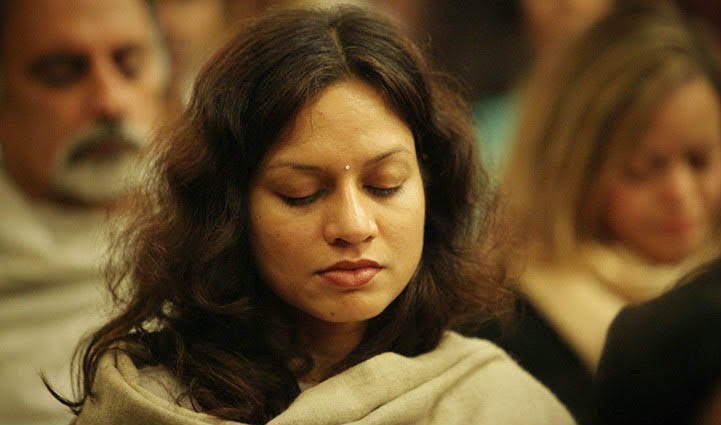
Breathwork is one of the most available yet powerful tools we have to reshape our wellbeing. This piece covers various techniques from simple box breathing to advanced practices like Sudarshan Kriya taught by the Art of Living Foundation. These methods are a great way to get benefits while connecting us more deeply with our bodies and minds.
Research has, without doubt, confirmed what practitioners have known for centuries. Breathing patterns reduce stress significantly, lower blood pressure, improve sleep quality, and improve mental clarity. Just five minutes of daily practice can create noticeable changes in your physical and emotional state.
New practitioners should start with shorter sessions. They can focus on diaphragmatic breathing or box breathing before they try more advanced techniques. Your body signals when it’s ready to move forward. Paying attention to these signals helps create a safe and beneficial practice.
Safety should be your priority when learning breathwork. Many techniques need proper guidance, especially if you have health conditions. The Art of Living Foundation runs structured programs with certified instructors. They guide you through techniques like SKY Breath Meditation, Ujjayi, Bhastrika, and Nadi Shodhan in a safe, supportive setting.
You can choose between online learning for flexibility or in-person workshops to get direct feedback. Working with qualified instructors will give maximum benefit while keeping risks low. The experience of becoming skilled at breathwork grows step by step. Each practice builds on the one before it.
Breathwork isn’t just another wellness trend – it’s an ancient practice that modern science has verified. Your breath links your conscious and unconscious processes. It opens a path to greater self-awareness and emotional control. This practice gives you a lifetime tool to handle life’s challenges and boost your overall quality of life.
Note that the most minor changes often lead to the deepest results. Your next conscious breath could start a transformative experience.
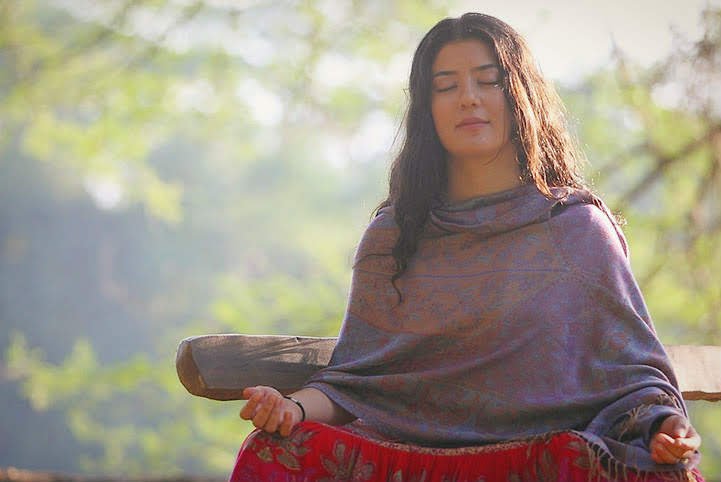
Exploring different types of breathwork is a great way to start—but lasting calm comes from finding a practice you can return to every day. In the Art of Living Part 1 Course, you’ll learn SKY Breath Meditation, a simple, science-backed technique that combines the benefits of multiple breathwork styles into one powerful, easy-to-learn practice.
It’s beginner-friendly, deeply relaxing, and designed to support you for a lifetime.
🌱 Start simple. Go deep. Grow steady.
👉 Join the course and experience the breathwork method you’ll never want to put down.