Benefits
Discover how SKY Breath Meditation can enhance your emotional resilience and strengthen your mental well-being. Read the article to start your journey.

Updated on: 17th September 2025
Posted on: 17th September 2025
In today’s world, stress is no longer a rare occurrence but a constant companion for many. From workplace pressures and economic uncertainties to family responsibilities and global challenges, the human nervous system is under siege like never before. This is where emotional resilience—the capacity to adapt, recover, and thrive despite setbacks—becomes one of the most valuable skills we can cultivate.
At the same time, there has been a growing global interest in practices that combine the wisdom of ancient traditions with the validation of modern science. Among these, SKY Breath Meditation (short for Sudarshan Kriya Yoga) has emerged as one of the most researched and impactful breathing practices available today.
This article explores how SKY Breath Meditation directly strengthens emotional resilience, weaving together neuroscience, psychology, and real-life transformation stories. We’ll also dive into practical guidance on how anyone can use SKY to build inner strength and stability.

Emotional resilience is not about avoiding difficulties, nor does it mean being unaffected by pain or challenges. Instead, resilience is the ability to bend without breaking, to recover faster, and to sustain a sense of stability and optimism even during life’s storms. It’s like having an inner anchor—no matter how rough the external conditions, you remain grounded.
For many people, resilience is blocked by chronic stress, unresolved trauma, or persistent emotional dysregulation. Prolonged stress activates the sympathetic nervous system (“fight or flight”), leaving the body in a constant state of alertness. This leads to exhaustion, anxiety, and even depression, making it harder to bounce back from challenges.
The good news? Emotional resilience is not an innate trait that only a few are born with—it is a skill. And like any skill, it can be trained. Practices such as SKY Breath Meditation offer powerful tools for strengthening the mind-body connection, making resilience a natural part of one’s being.
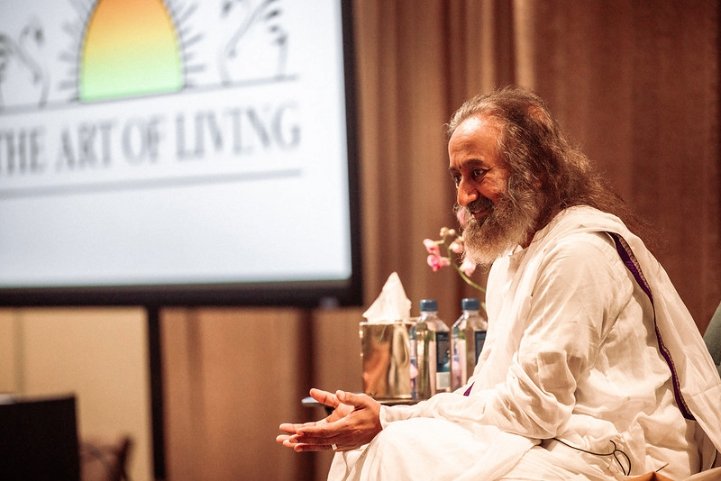
SKY Breath Meditation, also called Sudarshan Kriya Yoga, was developed by humanitarian and spiritual leader Gurudev Sri Sri Ravi Shankar in the 1980s. While its roots are grounded in the ancient yogic wisdom of breath and prana (life force), it has been modernized into a structured, accessible practice that can be learned and applied by anyone.
The practice of SKY involves a series of rhythmic breathing patterns that alternate between slow, calming breaths and energizing, faster-paced breaths. Unlike simple deep-breathing exercises, SKY sequences are carefully designed to harmonize the entire nervous system and bring coherence to the body and mind.
SKY Breath Meditation has been studied extensively by universities and research institutions worldwide. The findings consistently highlight its effectiveness in enhancing resilience at physiological, psychological, and social levels.

The human brain is wired for both survival and connection. When under prolonged stress, the amygdala—the part of the brain responsible for detecting threats—becomes hyperactive, leading to heightened anxiety, overreaction, and poor decision-making. SKY helps regulate this overactivity by calming the amygdala and simultaneously strengthening the prefrontal cortex, which is involved in higher-order thinking, self-regulation, and emotional control.
Functional MRI studies have shown that consistent practice of SKY increases connectivity between these regions, meaning practitioners become better at pausing, reflecting, and responding thoughtfully rather than reacting impulsively. This is the neurological foundation of resilience.
Additionally, SKY activates the vagus nerve, the body’s longest cranial nerve, which plays a key role in the parasympathetic nervous system. When vagal tone improves, heart rate variability increases—a strong biomarker for resilience, adaptability, and emotional balance.

From a physiological perspective, SKY influences the autonomic nervous system, balancing the sympathetic (fight-or-flight) and parasympathetic (rest-and-digest) responses. Modern lifestyles often trap people in chronic sympathetic overdrive, which floods the body with stress hormones like cortisol and adrenaline. SKY shifts the balance toward parasympathetic dominance, triggering the relaxation response.
In addition, studies have documented reductions in cortisol after SKY sessions, along with increases in antioxidant enzymes that combat oxidative stress. These changes contribute not just to emotional resilience but also to physical health benefits such as improved immunity, cardiovascular stability, and reduced inflammation.

Psychological resilience is supported through shifts in neurotransmitters and mood regulation pathways. SKY has been shown to boost levels of serotonin (the “happiness” neurotransmitter) and oxytocin (the “bonding hormone”), both of which are associated with feelings of safety, trust, and connection. This biochemical shift supports a more positive outlook and a stronger ability to connect with others—a critical buffer during stressful times.
Beyond biochemical changes, SKY cultivates a shift in mindset. Regular practitioners report a reduction in rumination (repetitive negative thinking) and an increased capacity to experience gratitude, joy, and equanimity. This makes it easier to approach challenges with a more balanced perspective and optimism.

The growing body of scientific research on SKY is compelling:
In summary, SKY’s impact is multidimensional: it reshapes brain function, rebalances physiology, shifts psychology, and translates into measurable improvements in emotional resilience. Few practices combine these layers of transformation as effectively as SKY Breath Meditation.

Stress recovery
Stress is unavoidable, but the ability to recover quickly is what sets resilient people apart. SKY Breath Meditation trains the nervous system to downshift from “fight-or-flight” into “rest-and-digest” more efficiently. In a study published in Frontiers in Psychology (2020), participants who practiced SKY showed significant improvements in heart rate variability (HRV), a key marker of stress resilience. This means their bodies returned to baseline faster after stressors, preventing lingering tension from snowballing into anxiety or fatigue. Over time, this rapid reset becomes a habit, enabling practitioners to face daily pressures with steadiness rather than reactivity.
Emotional regulation
The brain plays a pivotal role in resilience. Functional MRI research has shown that SKY practice calms the amygdala—responsible for fear and overreaction—while strengthening the prefrontal cortex, which governs judgment and impulse control. This neurological balance creates space between stimulus and response. Instead of reacting impulsively to challenges—snapping in anger, withdrawing in fear, or overthinking—practitioners learn to breathe through the moment, respond thoughtfully, and maintain emotional balance. This improved regulation not only reduces volatility but also cultivates patience and empathy, vital qualities for resilient living.
Positive outlook
Resilience isn’t just about bouncing back from hardship; it’s about maintaining a foundation of optimism even in difficult times. SKY has been shown to elevate levels of serotonin and oxytocin, neurotransmitters linked to positive mood and social bonding (Journal of Alternative and Complementary Medicine, 2013). In one controlled trial, SKY participants reported reduced symptoms of anxiety and depression, along with increased well-being and vitality. Practitioners often describe a lightness of mind and reduced negative rumination—the mental spirals of worry that fuel stress. By cultivating a naturally brighter mental state, SKY helps individuals not only endure life’s storms but also savor its joys more deeply.
Social connection
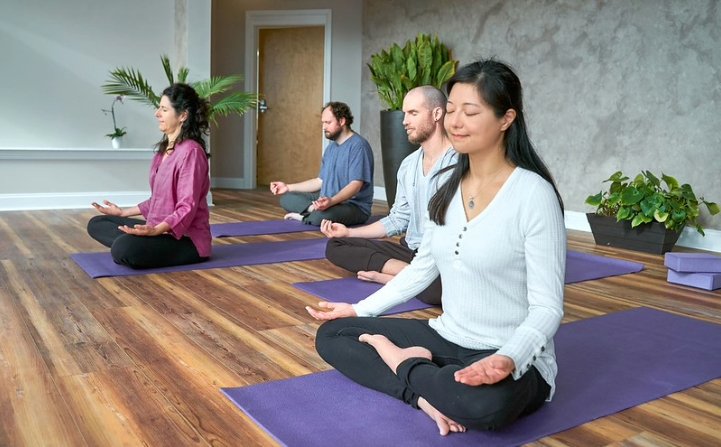
Humans are inherently social, and resilience is strengthened by belonging. SKY is frequently practiced in groups, where the synchronized rhythm of breathing creates an almost palpable sense of unity. Research highlights that group SKY practice enhances feelings of social connectedness and reduces loneliness—two critical factors in emotional resilience. Participants often describe these sessions as deeply bonding, where the shared breath fosters trust, empathy, and a collective sense of calm. This sense of community acts as an emotional anchor, reminding individuals that they are not alone in their struggles and magnifying the resilience-building effects of the practice.

Workplace resilience
Modern workplaces demand constant adaptability, and stress-related burnout has become a global health challenge. The World Health Organization (WHO) now classifies burnout as an “occupational phenomenon” affecting millions worldwide. SKY Breath Meditation has emerged as a practical tool for employees in high-stress industries like tech, healthcare administration, law, and finance.
Education

Academic stress is one of the most common sources of anxiety among youth. SKY equips students with simple tools for emotional regulation, helping them thrive under pressure.
Healthcare workers

Doctors, nurses, and caregivers often face “compassion fatigue,” exhaustion from repeated exposure to human suffering. SKY offers them a way to decompress and re-energize.
Military and veterans

Post-traumatic stress disorder (PTSD) and reintegration challenges are common among military personnel. SKY provides a scientifically validated, non-pharmaceutical pathway to healing.
Community and social resilience
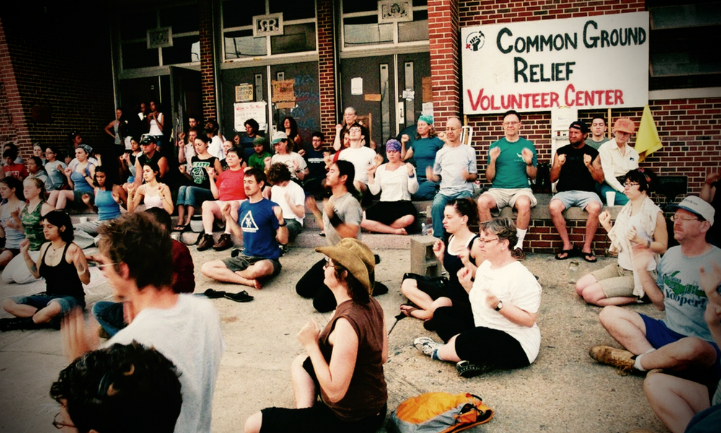
Resilience isn’t just an individual skill—it’s also collective. SKY has been introduced in community programs worldwide, particularly in post-disaster and trauma recovery contexts.

A corporate leader’s story
One senior executive from a Fortune 500 company described how SKY became a lifeline in the high-stakes world of leadership. For years, he had been carrying the weight of deadlines, investor expectations, and constant decision-making. He admitted that while he outwardly appeared confident, internally he was on edge—often bringing home irritability and exhaustion. After committing to a regular SKY practice, he noticed profound changes. Instead of rushing from one meeting to the next in a haze of stress, he began approaching challenges with clarity and calm. At home, his family noticed the difference before he did. His spouse shared that he seemed more present at the dinner table, truly listening rather than half-engaged. For him, SKY was not just a stress management tool—it became a way to lead with steadiness and humanity, creating ripple effects both in his professional and personal life.
A student’s journey
A university student battling crippling test anxiety shared her story of transformation. In her sophomore year, she often froze during exams despite hours of studying. She described lying awake the night before big tests, her heart racing with “what if” scenarios. After joining a SKY program on campus, she experienced something new: the ability to calm her body before an exam and focus her mind without spiraling into fear. Over the next semester, her grades improved—not just because she studied harder, but because she could finally access what she had already learned without panic clouding her memory. Beyond academics, she noticed an increase in confidence when speaking in class and approaching new challenges. SKY gave her more than academic success; it gave her resilience and a belief in her own capacity to thrive.
A veteran’s healing
Perhaps the most moving story comes from a combat veteran who struggled with PTSD for over a decade. He described nights of restless sleep, haunted by intrusive memories and hypervigilance. Everyday noises—a car backfiring, a door slamming—could send his body into fight-or-flight. He had tried various therapies with limited success, but when introduced to SKY through a veterans’ wellness program, he felt something shift. After only a few weeks, he experienced his first night of deep, restorative sleep in years. Over time, his emotional triggers became less overwhelming, and he began to reconnect with life beyond survival mode. He shared that SKY gave him not just a technique, but hope—that healing was possible, and peace could be reclaimed.
A healthcare worker’s renewal
A frontline nurse working long shifts during the pandemic shared that she was close to burnout. Between the emotional toll of patient loss and the physical strain of overtime hours, she felt numb and disconnected. Through SKY, she learned to regulate her breathing in moments of overwhelm. Slowly, her compassion returned—not from sheer willpower, but because she had the inner resources to sustain it. She now describes SKY as the practice that “gave her back her heart.”
A parent’s perspective
One young mother of two described feeling constantly stretched thin, juggling childcare, work deadlines, and household responsibilities. Before SKY, stress often spilled into short tempers with her children. After practicing daily, she reported having more patience, more energy for play, and a more profound joy in family life. “It didn’t make my life less busy,” she said, “but it made me less frantic.”
An athlete’s edge
A college basketball player shared that SKY became his secret weapon for performance. By practicing before games, he found his focus sharper, his recovery quicker, and his ability to bounce back from mistakes stronger. He now sees SKY not just as a relaxation tool, but as mental training on par with physical conditioning.
The larger lesson
These stories remind us that resilience is not an abstract ideal reserved for the fortunate few. It is something lived, embodied, and cultivated—whether in the boardroom, the classroom, the hospital, or the home. Each person’s journey looks different, but the common thread is this: SKY offers a path back to balance, clarity, and the simple joy of being fully alive.

The best way to learn SKY Breath Meditation is through a structured program, such as the Art of Living Part 1 Course, where certified instructors guide participants step by step.

Resilience is not only a personal skill but a societal need. When individuals are resilient, families thrive. When families are resilient, workplaces function better. And when communities are resilient, societies can withstand crises more effectively.
By practicing SKY, we’re not only helping ourselves—we’re creating a culture of resilience that extends to everyone we interact with.
Emotional resilience is not a luxury in today’s world—it is a necessity. While stress, uncertainty, and challenges are inevitable, suffering doesn’t have to be. SKY Breath Meditation offers a scientifically validated, deeply transformative way to strengthen the nervous system, calm the mind, and cultivate lasting resilience.
Through SKY, individuals can recover faster from setbacks, regulate their emotions, nurture a positive outlook, and deepen their social connections. Whether in schools, workplaces, hospitals, or homes, the impact of SKY on resilience is profound.
The next step is to experience it for yourself. The Art of Living Part 1 Course provides the ideal gateway into SKY Breath Meditation, offering hands-on guidance and community support.

Discover how SKY Breath Meditation can help you thrive in the face of stress and uncertainty. Join the Art of Living Part 1 Course today and learn the life-changing techniques that scientists, students, veterans, and professionals worldwide are using to build emotional resilience. Your journey to inner strength starts here.