Relief
Enhancing your well-being is easier than you might think. Learn about guided imagery and what lies beyond. Read now to start your journey to more calm.

Updated on: 7th October 2025
Posted on: 7th October 2025
Guided imagery is a therapeutic technique that harnesses the imagination to promote healing and relaxation. By creating calming and positive mental images, individuals can reduce pain, anxiety, and stress, improving overall physical and emotional health.
This gentle yet powerful practice uses visualization to influence the body’s physiological responses—slowing heart rate, easing muscle tension, and lowering blood pressure.
Through guided imagery, people learn to imagine sensations such as sights, sounds, smells, and textures, enabling the mind to soothe the body. When practiced regularly, guided imagery can become a cornerstone of effective stress management and emotional balance.
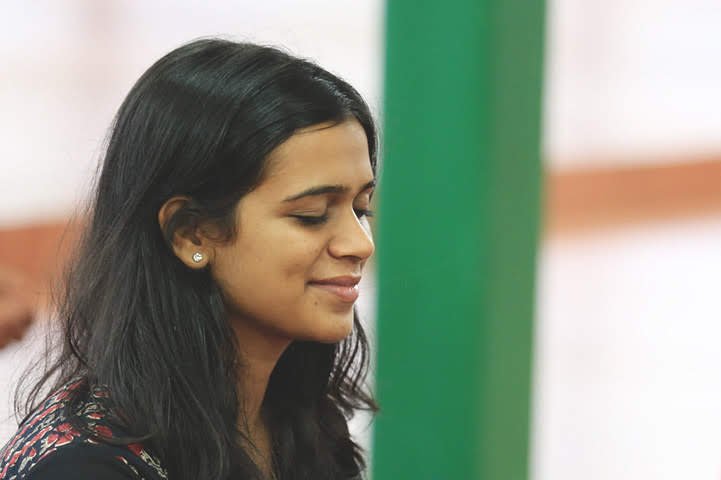
To begin practicing guided imagery, find a comfortable and quiet space where you won’t be disturbed. Take several slow, deep breaths to center yourself and relax.
You can use guided meditation recordings to help direct your imagery practice, or you may prefer to visualize on your own. The goal is to create a vivid mental picture that engages all five senses—what you see, hear, smell, taste, and feel.
Imagery exercises can be done independently or with the support of a professional trained in relaxation techniques. With regular practice, guided imagery can help reduce symptoms of anxiety and depression, promote better sleep, and enhance emotional stability.
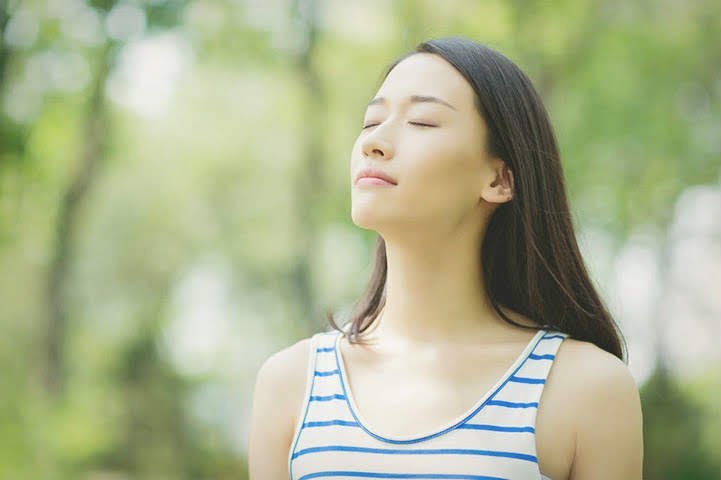
By using the mind to shift focus from stress to serenity, guided imagery empowers individuals to support their body’s natural healing processes and achieve a better quality of life.

Many people find it helpful to imagine a special place—a personal sanctuary where they feel safe, calm, and deeply relaxed.
This could be a forest glade, a peaceful beach, or a mountain meadow. The more sensory detail you include, the more immersive the experience becomes:
This mental refuge becomes a reliable tool during moments of stress, allowing you to return to your “safe space” whenever you need calm and balance.

Practicing guided imagery is simple, flexible, and can be done anytime or anywhere.
Start by closing your eyes and taking slow breaths, imagining a scene that brings you peace. Allow your mind to explore it fully.
Guided imagery can also be combined with other techniques such as progressive muscle relaxation or mindful breathing to deepen its effects. Consistent practice can enhance emotional regulation, promote deeper sleep, and reduce the impact of chronic stress.
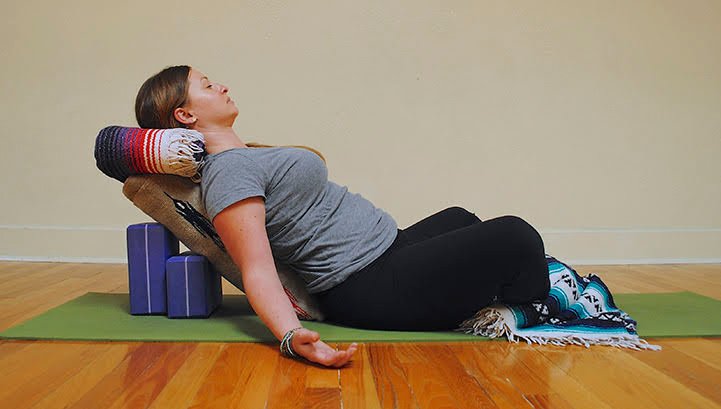
Guided imagery is particularly effective for managing stress and emotional tension.
This practice works by quieting the fight-or-flight response and triggering the body’s relaxation response.
Regular sessions can lower cortisol levels, helping you feel calmer and more in control.
For those managing chronic pain or health conditions, guided imagery may also reduce discomfort and the need for medication by promoting relaxation and resilience.
By visualizing peaceful scenes and positive outcomes, individuals cultivate a state of inner balance that supports both mind and body health.
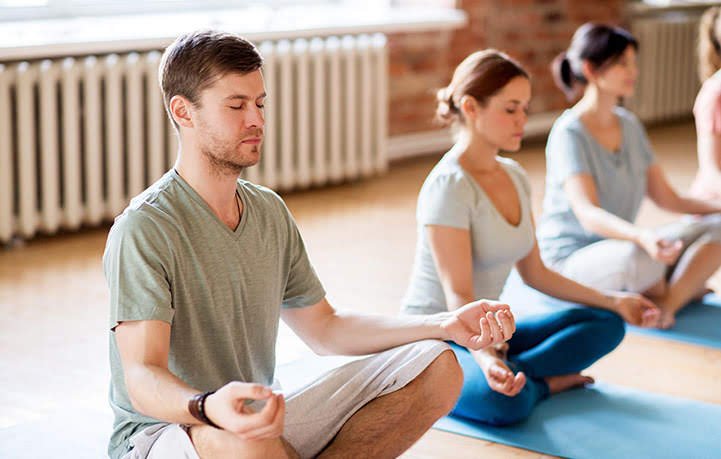
Guided imagery is rooted in the powerful link between mind and body.
When the mind imagines a peaceful image, the body responds as if it were real—heart rate slows, muscles relax, and tension dissipates.
This psychosomatic connection allows guided imagery to influence healing, immunity, and stress resilience.
It can also improve mood and mental clarity by shifting focus from worry to relaxation.
When combined with mindfulness or breath-based practices, guided imagery becomes a holistic tool for self-care and emotional well-being.
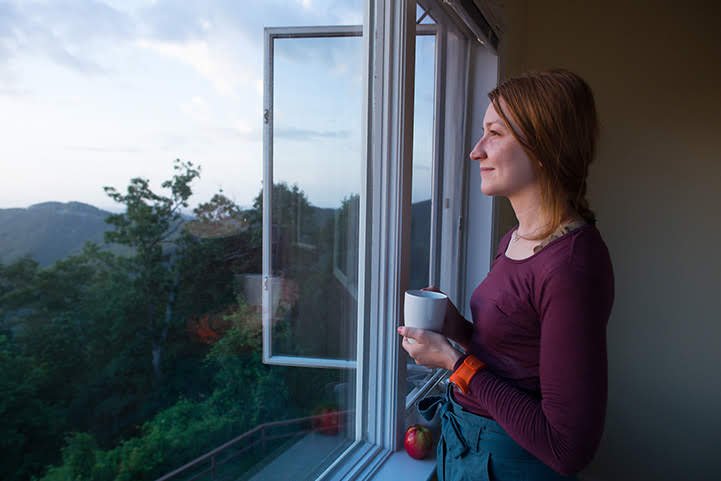
To begin your own guided imagery journey:
Over time, you may notice reduced anxiety, better sleep, and an increased ability to handle daily challenges with calm and focus.
The true power of guided imagery lies in its ability to transform thoughts and emotions through visualization. By replacing stressful or negative mental patterns with peaceful images, the subconscious mind learns to respond differently to stress. This technique can promote self-awareness, emotional regulation, and a sense of empowerment.
Imagery work can also support personal growth by helping individuals reconnect with hope, creativity, and optimism. The mind, when guided intentionally, becomes a powerful ally in healing and inner peace.

Guided imagery opens the door to an entire world of mind-body healing, but it is only one part of a larger holistic path to balance and inner peace. Once you’ve developed the ability to use visualization to calm the mind, you can expand your practice by integrating complementary techniques that deepen its effects and sustain long-term transformation.
The Art of Living Part 1 Course is a powerful next step for those seeking to go beyond imagery into experiential calm. This signature program introduces SKY Breath Meditation, a scientifically validated breathing technique that harmonizes the nervous system and stabilizes the mind. While guided imagery uses the power of imagination, SKY Breath Meditation directly impacts the body’s biochemistry—lowering cortisol, increasing serotonin, and restoring balance to the autonomic nervous system.
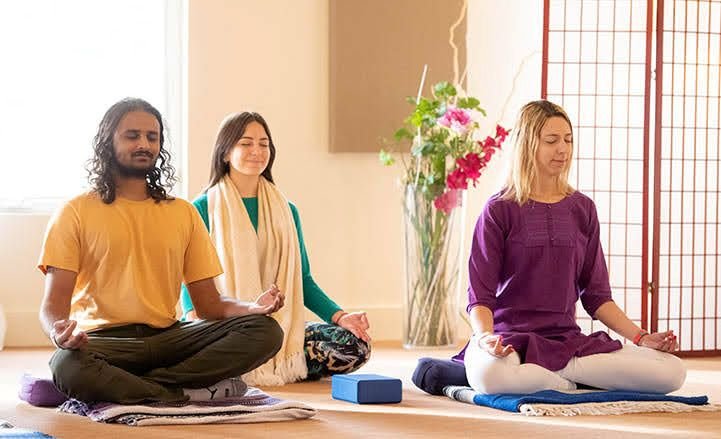
Guided imagery is a gentle yet transformative technique that helps the mind and body work together toward healing and inner peace. By regularly creating calming mental images, you retrain your brain to respond to life’s challenges with steadiness instead of stress. Over time, this simple practice builds mental clarity, emotional balance, and physical relaxation—making peace a habit rather than a momentary escape.
Incorporating guided imagery into daily routines can be as simple as taking five minutes before bed to visualize a tranquil scene or starting your morning by imagining a day filled with calm and confidence. Consistency is more important than duration; the nervous system responds best to repeated signals of safety and relaxation.
To deepen your journey, learn breath-based techniques like SKY Breath Meditation, taught in the Art of Living Part 1 Course. Research from institutions such as Harvard and Yale has shown that SKY practice reduces anxiety, depression, and stress while improving sleep and overall well-being. When visualization and breath come together, they create a synergy that resets both mind and body—helping you access calm even in the middle of chaos.
If you’re looking to take the next step toward a calmer, more centered life:
Ultimately, guided imagery is more than relaxation—it’s a way of reclaiming your mind’s creative power to shape your reality. Each image of peace, each breath of calm, contributes to the life you want to live: one grounded in clarity, energy, and joy.
Join the Art of Living Part 1 Course, where you’ll learn SKY Breath Meditation, guided relaxation, and time-tested wisdom for modern life. Reconnect with your natural joy and well-being.