

How to fast during Navratri
Fasting during Navratri is an ideal way to detox the body, enhance digestion and increase positivity.
While the benefits of fasting during Navratri are plenty, many of us fast incorrectly which further disturbs the balance in our body.
Fasting provides a much-needed rest for your internal organs, such as the liver and pancreas, which often work overtime. This period of rest helps repair the wear and tear in your body and promotes overall health. It’s important to occasionally stretch your comfort zone. You can’t remain in your comfort zone all the time; at some point during the year, pushing beyond it helps you discover abilities you might not have realized you had. Your body is not rigid but elastic and adaptable. This adaptability is often overlooked, and practices like fasting remind us that the mind can be more powerful than the body.
Here is a complete guide on how to fast during Navratri in a way that is conducive to your body and mind:
Plan for fasting in nine days of Navratri
Day 1 to 3
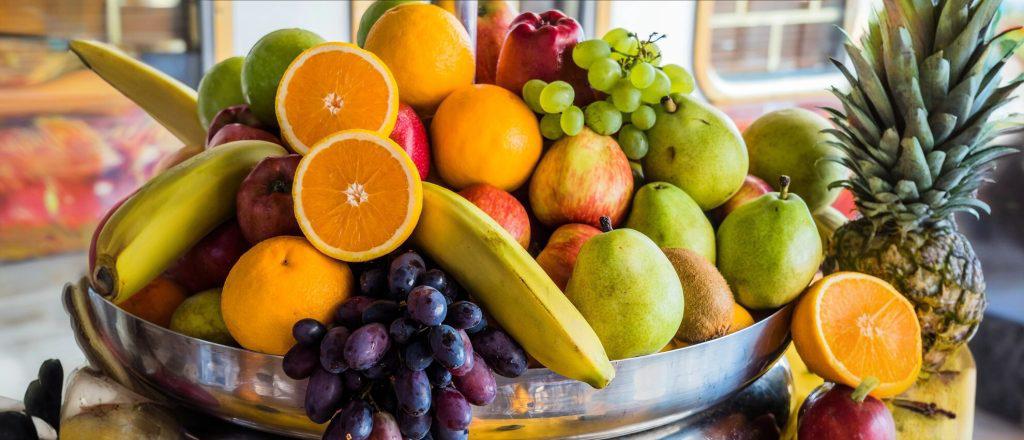
Follow a fruit diet. You can eat sweet fruits like apple, banana, sapodilla, papaya, watermelon, and grapes. And you can also have Indian gooseberry (amla) juice, bottle gourd (lauki) juice and tender coconut water.
Day 4 to 6
On the next three days, you can have a one-time meal of the traditional Navratri diet (given below) along with fruit juices, buttermilk, and milk for the rest of the day.
Day 7 to 9
During the last three days, you can follow a traditional Navratri diet.
In case you have a health condition, it would be best to consult a doctor before fasting and remember to do only as much as you are comfortable with.
A traditional Navratri Fasting diet
A conventional Navratri fasting diet is one that pacifies our digestive fire. It can be any combination of the following ingredients:
- Buckwheat (kuttu) roti, fasting rice (shamak rice), dosa from fasting rice, dishes made from sago (sabudana), water chestnut (singhara) flour, rajgira, yam (suran), colocasia (arbi), boiled sweet potatoes (shakarkand), etc.
- Clarified butter (ghee), milk and buttermilk. All these have a cooling effect on the body
- Yogurt combined with bottle gourd (lauki) and pumpkin (kaddu)
- Lots of fluids – tender coconut water, juices, vegetable soups, etc. Besides providing energy, they prevent dehydration and flush out the toxins released during fasting
- Fruit salad made with papaya, pear, and apple
When following a traditional Navratri diet, it is also recommended to:
- Use rock salt instead of common salt for cooking
- Use healthy cooking methods like roasting, boiling, steaming and grilling
- Be strictly vegetarian
- Avoid grains for the first few days
- Avoid any fried and heavy food
- Avoid onion and garlic
- Avoid overeating
Those who cannot fast should abstain from non-vegetarian food, alcohol, onion, garlic and use rock salt instead of common salt for cooking.
Understanding True Fasting
However, there is often confusion about what fasting truly means. During Navratri, for example, some people might eat boiled and fried potatoes, a couple of bananas per meal, a bowl of nuts, and some sweets, while still claiming to be fasting. This approach, where fasting is followed by heavy feasting and food storage for the next day, makes the fast ineffective.
It’s also a common misconception that fasting is performed to please divine beings or fulfill a ritual. The true purpose of fasting is not to please gods, angels, or deities, rather fasting is meant to cleanse and detoxify our bodies
What to Eat During Fasting
On fasting days, consuming fruits, vegetables, and water is recommended to support your body’s natural detoxification processes. Drinks like lemon and honey water can further aid in purification, promoting a body free of toxins and resulting in a clearer, more focused mind. Fasting, often coupled with prayer, holds a significant place in many religious traditions, reflecting its profound importance in spiritual and physical well-being. However, if you have specific health conditions, such as diabetes, it’s crucial to be mindful and avoid straining your body during these practices.
Fasting Based on Your Body Type
If you’re predominantly high on pitta, it may be wise to avoid fasting altogether to maintain your digestive balance. Instead, consider opting for refreshing and hydrating fruit juices, which can provide nourishment without overstressing your system, as opposed to cereals and solid foods. For individuals with Kapha and Vata doshas, fasting is generally acceptable and can be a beneficial practice to rejuvenate and detoxify. Specifically, those with Kapha dosha may find fasting on water, lemon water, or coconut water particularly effective in harmonizing their dosha and supporting overall well-being.
Breaking your Navratri fast
It’s also important to pay attention to the way you break your fast. After a period of fasting, starting with heavy foods like fritters, chips, burgers, or bread can overwhelm your sensitive digestive system. Given that fasting for three to five days leaves your body particularly delicate, it’s essential to gradually reintroduce foods. This careful approach ensures that your digestive system adjusts smoothly and supports overall health and well-being.
When you break your fast in the evening or at night, have a light meal. Avoid heavy meals as that not only makes it difficult for the system to digest but also undo the cleansing process and positive effects of fasting. Eat small quantities of easily digestible food.
Also always fast under proper guidance and heed your body’s unique needs. Consulting an Ayurvedic doctor can provide personalized recommendations on the best way to fast based on your body type. By listening to your body and following expert advice, you can optimize your fasting practice, enhance your overall health, and ensure a more effective and balanced experience.
Reap the benefits of a sattva bloom
During fasting, obsessing over food can intensify your hunger. The experience of fasting becomes much smoother and more natural when your mind is absorbed in spiritual activities. Immersing yourself in meaningful practices, such as spiritual rituals or meditation, can help shift your focus away from food. By maintaining a connection with the divine and engaging in these uplifting pursuits, fasting transforms from a challenging ordeal into a more harmonious and effortless experience.
This Navratri, you can enhance your fasting experience by joining the 9-Day Navratri Meditation led by Gurudev.