
Breathwork
Controlled breathing, like belly breathing, box breathing, and SKY Breath Meditation, reduces stress, improves focus, and supports emotional well-being.

Updated on: 24th November 2025
Posted on: 24th November 2025
Controlled breathing is one of the most potent yet accessible tools for managing stress, anxiety, and emotional overwhelm. Simple techniques—such as pursed-lip breathing, diaphragmatic (belly) breathing, and rhythmic breathing patterns—can quickly activate the parasympathetic nervous system, which is responsible for rest, digestion, and relaxation.
Regular practice helps lower blood pressure, calm the mind, and help the body exit the fight-or-flight response. Deep breathing increases oxygen intake, regulates the stress response, and can be done almost anywhere—while sitting at your desk, preparing for a difficult conversation, or winding down at night.
Breathwork also pairs beautifully with other practices such as tai chi, gentle yoga, mindfulness meditation, and SKY Breath Meditation, a powerful rhythmic breathing technique taught by certified Art of Living instructors. By learning to work with the breath, you strengthen your nervous system, improve emotional resilience, and cultivate greater clarity and peace.
Diaphragmatic breathing, sometimes called abdominal or belly breathing, is foundational to effective breathwork. Engaging the diaphragm, a dome-shaped muscle below the lungs, allows fuller, slower breaths that naturally activate relaxation.
Other techniques regulate the pace of breathing. Box breathing, for example, uses a structured rhythm: inhale for four counts, hold for four, exhale for four, hold for four. This steady pattern can quickly calm the mind, relax the body, and sharpen concentration.
Breathing techniques directly influence the autonomic nervous system. Slow, intentional breaths soothe the sympathetic nervous system (the stress response) and activate the parasympathetic system (the relaxation response). As research continues to show, breathwork can help reduce anxiety, improve mental clarity, and regulate emotional intensity.
Understanding the benefits of techniques such as pursed-lip breathing, cyclic sighing, and rhythmic breathing can help you choose what works best for your needs. For a deeper experience of guided, rhythmic breathing, SKY Breath Meditation offers a powerful, research-backed method for reducing stress and supporting emotional well-being.
Deep breathing is one of the most effective ways to shift the body into relaxation mode. Diaphragmatic breathing helps slow the heart rate, reduce cortisol levels, and soothe the mind. When combined with meditation, gentle stretching, or yoga, the effects become even more pronounced.
Every slow, deep breath signals the body to soften tension and release accumulated stress. Practices like belly breathing, characterized by slow inhalation through the nose and gentle exhalation through the mouth, create a calming effect that supports both emotional balance and mental clarity.
Regular relaxation-focused breathwork can help reduce symptoms of anxiety, depression, and chronic stress. Incorporating SKY Breath Meditation amplifies these benefits by using cyclical, rhythmic breathing patterns that quiet the mind and naturally increase inner peace.
Controlled breathing is a powerful stress management tool. Techniques such as pursed-lip breathing with slow exhalation help regulate the body during moments of overwhelm. By calming the sympathetic nervous system, these practices reduce the physical symptoms of stress—tight chest, racing thoughts, rapid heartbeat—and help restore emotional balance.
Box breathing is especially supportive during high-stress situations because it anchors attention and helps regulate the breath. Diaphragmatic breathing also supports lower blood pressure, deeper relaxation, and a more grounded feeling during stressful moments.
These exercises are easy to apply in daily life—before a meeting, in traffic, during conflict, or whenever anxiety spikes. SKY Breath Meditation builds on these principles, offering an advanced technique that supports long-term nervous system regulation and emotional resilience.
Breathing is one of the fastest ways to improve mental clarity and focus. Practices such as box breathing reduce mental chatter and help shift the mind into a calm, alert state. Cyclic sighing and slow breathing patterns regulate the nervous system, allowing you to stay grounded and attentive.
Deep breathing increases oxygen flow to the brain, improving cognitive performance and enhancing concentration. Belly breathing can slow the breath rate and quiet internal stress signals, creating the ideal conditions for focus—whether you’re studying, working, or engaging in creative tasks.
SKY Breath Meditation is particularly effective for boosting clarity. Many practitioners report improved focus, better sleep, reduced anxiety, and enhanced emotional stability after learning SKY from a certified instructor.
The benefits of controlled breathing go beyond mental well-being. Breathwork can:
By supporting both the respiratory and nervous systems, breathing practices have a stabilizing effect on physical health. SKY Breath Meditation, with its structured sequences of cyclical, rhythmic breathing, has been shown in various studies to improve overall well-being and reduce symptoms of anxiety and depression.
Establishing a breathing practice is one of the most supportive habits you can build for your mind, body, and emotional well-being. The key is consistency—not perfection. Start small, choose a quiet space, and allow your practice to unfold at a pace that feels nourishing rather than stressful.
Begin with short sessions of about 5–10 minutes. This is long enough for your nervous system to shift into a calmer state without feeling overwhelming. As your comfort and confidence grow, gradually increase your practice to 15 minutes, 20 minutes, or longer. Consistency matters more than duration; what you do regularly will have the greatest impact on your well-being.
Your environment can shape your experience. Choose a peaceful, clutter-free space where you can sit comfortably—on a chair, cushion, or yoga mat. Dim the lights, silence notifications, and create a sense of sacredness in your practice by giving yourself permission to pause and breathe. Many people enjoy adding supportive elements such as calming music, aromatherapy, or a cozy blanket to create a grounding atmosphere.
Use tools that help structure your practice:
Experiment with different techniques to discover which ones resonate with you. You might use box breathing for focus in the morning, cyclic sighing to reset in the afternoon, and deep belly breathing to unwind before bed. As you explore, you’ll gain insight into which breathing patterns best support your energy levels, emotional state, and mental clarity.
For a deeper, more transformative experience, consider learning a structured breathing practice, such as SKY Breath Meditation, with a certified Art of Living instructor. SKY offers a step-by-step approach that can ground your daily practice and help you experience profound calm, clarity, and emotional well-being.
Tracking your progress in breathwork can be incredibly motivating and deeply encouraging. Progress often shows up subtly—in how calmly you respond to stress, how easily you fall asleep, or how much more centered you feel during the day. Bringing awareness to these shifts helps you appreciate the small victories that accumulate into meaningful change.
Start by observing tangible markers such as your breathing rate, how long you can comfortably maintain slow breathing, or how quickly your body relaxes during a practice session. Over time, you may notice that your breath naturally becomes smoother, deeper, and more expansive throughout the day.
Keeping a journal or practice log is a powerful way to reflect on your experience. Try noting:
These reflections help you see patterns—perhaps specific techniques help you sleep better, or morning practices leave you feeling sharper and more centered.
Progress in breathwork isn’t just physical—it’s emotional and mental. Notice how your stress levels shift. Does your mind settle more quickly? Are you less reactive? Are you finding more moments of clarity or ease? These are all signs your nervous system is benefiting.
Remember that progress isn’t linear. Some days your mind will wander more, or breathing will feel harder—and that’s okay. Every practice session counts, even when it feels imperfect. If you’d like support in refining your technique or establishing stronger consistency, a certified Art of Living instructor can offer personalized guidance and help you deepen your experience.
Breathing exercises can be practiced in a variety of positions, each offering unique benefits for the body and nervous system. Exploring different postures helps you discover what feels most supportive and teaches you how the breath naturally shifts with subtle changes in physical alignment.
Sitting is the most common posture for breathwork. Sitting upright with a tall spine allows the diaphragm to move freely and encourages fuller, deeper breaths. You can sit in a chair with feet grounded or on a cushion on the floor. Use props—like a pillow behind your lower back or blocks beneath your knees—to create comfort and ease.
Standing breathwork can be energizing and grounding. Stand with your feet hip-distance apart, soften your knees, lengthen your spine, and release tension from your shoulders. Standing practices are beneficial when you need a quick reset during a busy day, before a presentation, or when you feel fatigued.
Energizing techniques can be used while standing; however, calming techniques are best suited for sitting.
Lying down can facilitate more profound relaxation and is ideal for practices that prepare the body for rest or sleep. Lie on your back with your knees bent or supported by pillows. This position encourages diaphragmatic breathing and allows the body to relax into gravity fully.
Movement-based breathing—such as slow walking while synchronizing breath with steps—can help integrate breathwork into daily life and bring mindfulness into routine activities.
Breathing outdoors can further enhance your experience. Natural settings offer fresh air, soothing sounds, and a calming environment that supports deep, restorative breathing. Whether you’re in a park, forest, or your backyard, nature can amplify the grounding effects of breathwork.
Experiment with different combinations of posture, props, and environment. Pay attention to how your breath feels—expansive, strained, or easeful—and use this awareness to customize your routine. The more you explore, the more you’ll understand how your body responds in each position, helping you design a practice that feels both effective and enjoyable.
Like any new habit, developing a breathing practice can come with challenges. The important thing is to approach it with patience, gentleness, and curiosity. Your breath will feel different from day to day, and that’s perfectly normal.
If you struggle with consistency, start small. Even one or two minutes of slow breathing can shift your state. Build gradually—short, frequent sessions often create more sustainable progress than long, sporadic ones. Setting reminders, attaching your session to an existing habit (like after brushing your teeth), or scheduling a daily practice time can help make breathwork a natural part of your routine.
If your mind wanders, don’t worry—it happens to everyone. Instead of fighting it, gently return your attention to the sensation of your breath. Over time, your ability to stay present will grow. Using guided recordings can also reduce mental distractions and provide a feeling of structure.
If specific breathing techniques feel uncomfortable, try adjusting your pace or switching to a gentler method. Breathwork should never feel forced. Techniques like belly breathing or simple, slow inhales and exhales are excellent options for days when the nervous system feels tender or overstimulated.
Many people feel discouraged when they don’t notice immediate results. Remember that breathwork is a cumulative practice—like building strength or flexibility. Over time, small shifts add up: better sleep, calmer reactions, deeper focus, greater emotional balance. Celebrate these quiet transformations.
Support systems make a difference, too. Practicing with a friend, joining a community class, or learning from a certified Art of Living instructor can provide motivation, accountability, and a deeper understanding.
Most importantly, be compassionate with yourself. Breathwork is not about perfection—it’s about returning to your center, one breath at a time.
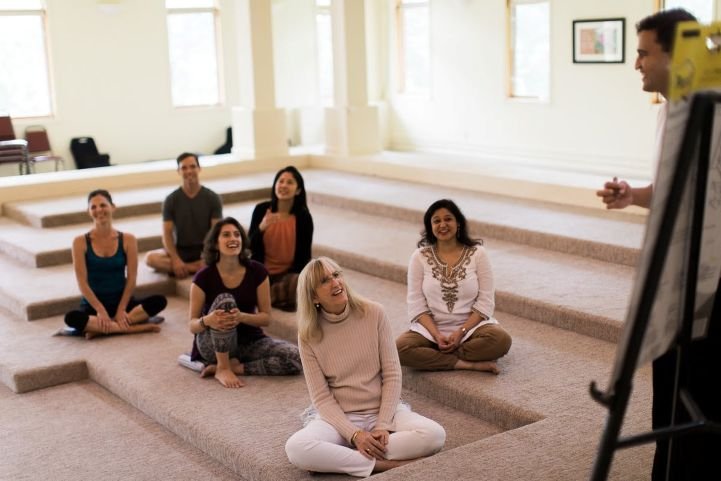
If you’re ready to go beyond simple breathing techniques and experience a profound shift in your energy, clarity, and emotional resilience, the Art of Living Part 1 Course is the perfect next step.
In this immersive program, certified instructors guide you through:
SKY Breath Meditation has helped millions worldwide experience deeper rest, improved sleep, a brighter mood, and greater focus.
Join the Art of Living Part 1 Course and learn SKY Breath Meditation from certified instructors.
You deserve to feel grounded, clear, and supported — every single day.
Pursed lip breathing is an excellent place to start.
Often within minutes. Techniques like box breathing or cyclic sighing can create immediate calm.
Yes. Slow, controlled breathing can activate the parasympathetic nervous system and help regulate the stress response.
Absolutely. It is taught step-by-step by certified Art of Living instructors and is accessible to all levels.