Lifestyle
Discover pranic eating principles that boost energy, digestion, and mental clarity. Learn how sattvic foods and mindful habits support vitality and balance.

Updated on: 17th September 2025
Posted on: 17th September 2025
Food is more than just calories, nutrients, and flavor—it is a source of life energy. In yogic wisdom, this vital life force is called prana. Pranic eating emphasizes nourishing the body with foods that support vitality, balance, and spiritual growth.
When we eat with awareness, intention, and gratitude, we do more than just satisfy hunger—we absorb prana, which fuels not only our physical health but also our emotional balance and mental clarity. A diet rich in positive pranic foods, such as organic produce, whole grains, fresh fruits, and vegetables, enhances our vitality while supporting the health of our digestion and nervous system.
Understanding how different foods affect prana allows us to make conscious choices that align with our well-being. Just as yoga harmonizes breath and movement, pranic eating harmonizes nourishment with inner balance, helping us experience greater peace, energy, and resilience.
In yogic wisdom, food is not only fuel for the body but also nourishment for the mind and spirit. Different types of food carry distinct vibrations that influence our physical energy, emotional state, and mental clarity. By understanding the categories of food—sattvic, rajasic, tamasic, and neutral pranic foods—we can make more conscious dietary choices that support vitality and balance.

Sattvic foods are considered the most beneficial for cultivating high levels of prana. They are fresh, natural, and rich in subtle life energy. Sattvic foods promote calmness, clarity, compassion, and balance, making them ideal for meditation, spiritual growth, and overall health.
Examples: Fresh fruits (mangoes, apples, bananas), leafy greens, mung beans, sprouts, almonds, walnuts, milk, ghee, seasonal vegetables, and herbal teas.
Benefits: Enhances digestion, improves focus, increases vitality, and supports emotional stability.
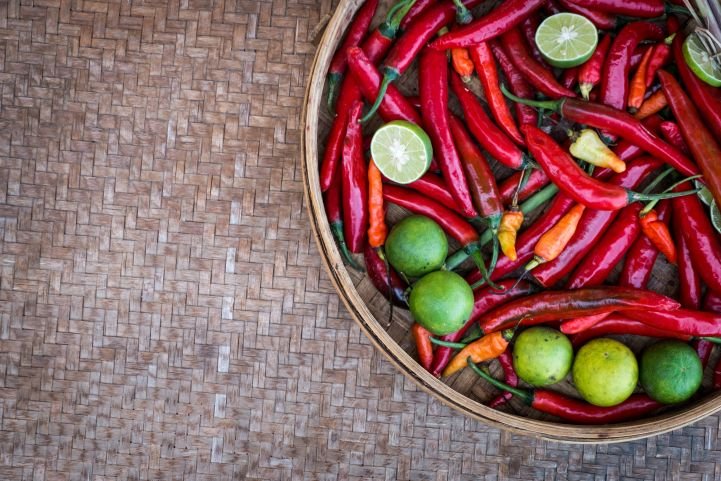
Rajasic foods stimulate the body and mind, often leading to restlessness, overactivity, or agitation when consumed in excess. While they can provide bursts of energy, they tend to disturb mental balance and can reduce the subtle flow of prana.
Examples: Strong spices (chili peppers, onions, garlic), coffee, tea with caffeine, chocolate, salty or fried foods.
Effects: Increase mental restlessness, irritability, and overstimulation; may lead to burnout when overconsumed.
Balanced use: Small amounts may be helpful for those engaged in active physical work, but moderation is key.

Tamasic foods are characterized as heavy, stale, fried, or processed, and are believed to decrease prana. They can create lethargy, dullness, and a lack of clarity in both body and mind. Over time, they may contribute to poor digestion and the accumulation of toxins.
Examples: Processed snacks, preserved or canned foods, alcohol, refined sugar, overripe fruits, leftovers kept for days, and excessively greasy meals.
Effects: Drain energy, slow down metabolism, cloud the mind, and reduce enthusiasm.
Guidance: While occasional consumption is okay, minimizing tamasic foods supports higher vitality.
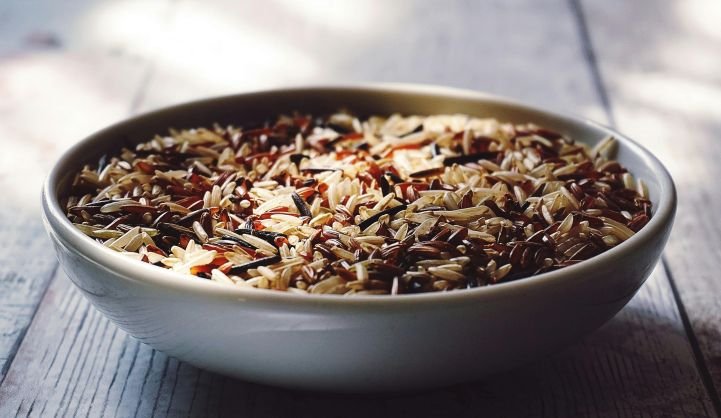
Neutral foods provide steady nourishment without strongly increasing or decreasing prana. They are grounding and sustaining, making them valuable for balance in daily life.
Examples: Whole grains (brown rice, quinoa, barley), root vegetables (carrots, beets, sweet potatoes), and certain legumes.
Benefits: Provides steady energy, supports digestion, and complements sattvic foods in a balanced diet.
No single category of food exists in isolation in daily life—it is about balance and mindful choices. A diet that prioritizes sattvic, prana-rich foods while minimizing rajasic and tamasic influences helps maintain physical vitality, emotional calm, and mental clarity. Neutral foods add stability, grounding us in our routines.
By becoming aware of these categories and observing how different foods affect your body and mind, you can gradually align your diet with your natural energy, supporting both health and spiritual growth.
| Category | Examples | Effects on Prana & Mind | Best Practices |
| Sattvic (Positive Pranic) | Fresh fruits, leafy greens, mung beans, nuts, milk, ghee, seasonal veggies, herbal teas | Boosts vitality, supports digestion, increases clarity, promotes calmness | Make these the foundation of daily meals |
| Rajasic (Stimulating) | Chili peppers, onions, garlic, coffee, caffeinated tea, fried foods, chocolate | Stimulates energy, can cause restlessness, irritability, and overactivity | Consume in moderation; useful for physically demanding work |
| Tamasic (Dulling) | Processed foods, canned items, alcohol, refined sugar, stale or leftover food, greasy meals | Lowers vitality, clouds the mind, slows digestion, creates lethargy | Minimize intake; avoid as regular diet |
| Neutral Pranic | Whole grains (brown rice, quinoa), root vegetables (carrots, beets, sweet potatoes), some legumes | Provides steady, grounding energy; neutral effect on prana | Combine with sattvic foods for balanced nutrition |

Pranic eating is not just about what you eat—it is also about how your body processes food. A healthy digestive system ensures maximum absorption of prana and nutrients. Here are key practices to support digestion:
When digestion is strong, prana circulates freely, supporting mental focus, emotional stability, and vitality.

The nervous system is the body’s communication network, responsible for transmitting signals between the brain, organs, and muscles. What we eat directly influences this delicate system, affecting not only physical energy but also mental clarity and emotional stability. In yogic wisdom, food is seen as more than sustenance—it is subtle energy that shapes the way our mind functions and how prana flows through the body.
Foods high in prana nourish the nervous system at the deepest level. When we consume fresh, sattvic foods, they strengthen the subtle channels (nadis) through which prana flows, creating stability and calmness. This enhances concentration, emotional balance, and the ability to remain centered even in stressful situations.
Examples: Sesame seeds, mung beans, leafy greens, seasonal fruits, nuts, and seeds.
Benefits: Steadier mood, improved resilience, sharper focus, and reduced anxiety.
Whole, unprocessed foods provide essential vitamins, minerals, and antioxidants that protect nerve cells from oxidative stress. They also support the production of neurotransmitters, the brain chemicals that regulate mood and cognition.
Examples: Whole grains, legumes, root vegetables, and fresh herbs.
Benefits: Steady release of energy, fewer mood swings, improved memory, and balanced sleep cycles.
Just as certain foods uplift the nervous system, others can deplete or disturb it. Highly processed or chemically altered foods burden the digestive system, reducing the flow of prana and impairing nerve function. Over time, these foods may lead to feelings of fatigue, brain fog, or heightened stress responses.
Examples: Refined grains, excessive sugar, packaged snacks, preserved foods, alcohol, and stimulants.
Effects: Agitation, restlessness, nervous tension, or sluggishness.
It is not only what we eat but also how and where we eat that influences the nervous system. Eating in a calm, peaceful environment allows the parasympathetic nervous system—often called the “rest and digest” mode—to activate. This promotes better absorption of prana, smoother digestion, and deeper nourishment for the body and mind.
Best practices: Eat without distractions, chew slowly, express gratitude before meals, and avoid eating when angry, stressed, or rushed.
When food choices are combined with supportive lifestyle practices—like yoga, meditation, deep breathing, and adequate sleep—the nervous system functions at its best. This integration not only improves physical health but also enhances emotional resilience, spiritual awareness, and overall vitality.

Pranic eating is most potent when it becomes more than a diet—when it evolves into a way of living. The choices we make each day, from how we prepare food to how we breathe and spend time in nature, all influence the quality of prana flowing through us. By weaving pranic principles into daily routines, you can create a life that feels balanced, energized, and aligned with both body and spirit.
The way you start the day sets the tone for how prana flows.
Prana is abundant in foods that are fresh, local, and seasonal.
How we eat is just as important as what we eat. Mindfulness turns meals into opportunities for deeper nourishment.
Prana flows best when life is lived in balance. Overexertion drains energy, while rest and relaxation replenish it.
Nature is a limitless source of prana. Spending time outdoors rejuvenates the body and mind.
Pranic living is not about strict rules—it’s about making small, sustainable changes that add up over time.
Even these gentle shifts can create profound results: higher energy, improved mood, better digestion, and a deeper sense of spiritual connection.
✨ Living with more prana is an invitation to align every aspect of life—food, breath, movement, rest, and connection—with the body’s natural wisdom. By integrating these principles into daily routines, you don’t just eat differently—you live more fully, with greater vitality, clarity, and joy.

Eating with more prana is about more than just food—it is a holistic practice of aligning your diet with your body’s natural intelligence and life force. By embracing sattvic foods, supporting digestion, protecting your nervous system, and living in harmony with nature, you cultivate vitality, resilience, and inner peace.
Each meal becomes an opportunity to renew your energy and deepen your awareness. When you eat with intention and gratitude, food transforms into medicine, and your body becomes a vessel of balance and vitality.

🌿Prana is nourished not only through food, but also through the breath, yoga, and meditation. Explore the Art of Living’s programs, including yoga and SKY Breath Meditation, to harmonize body, mind, and spirit. These practices naturally complement pranic eating, helping you live with greater energy, balance, and joy.
SKY is learned on the Art of Living Part 1 Course along with other powerful breathing practices that awaken inner energy, release stress, and help prana flow freely through the body and mind.
✨ Take the next step in your pranic journey—discover the Art of Living Part 1 Course and experience how breath, meditation, and mindful living can elevate every aspect of your life.