1. Introduction to mental wellness
Mental wellness is not just the absence of mental illness—it is the presence of balance, resilience, and emotional harmony in everyday life. It shapes how we respond to challenges, how we interact with loved ones, and how we pursue meaning and fulfillment in life. In today’s world, however, maintaining mental wellness has become one of the most significant challenges.
Work deadlines, financial pressures, social responsibilities, and the constant digital stimulation of modern life all contribute to rising levels of stress and anxiety. According to the National Institute of Mental Health, nearly one in five U.S. adults lives with a mental health condition, and even more experience occasional but significant stress-related symptoms such as insomnia, fatigue, and irritability. Left unmanaged, chronic stress can weaken the immune system, elevate blood pressure, and impair cognitive function, creating a cycle that further undermines well-being.
Yet mental wellness is within reach for everyone when we understand that it is not a fixed trait—it is something we can cultivate. Just as exercise strengthens the body, practices like yoga and breathwork strengthen the mind’s resilience. When we consciously set aside time for self-care, even just a few minutes daily, we begin to rewire our stress response, regulate our emotions, and reconnect with our sense of inner calm.
For over 40 years, the Art of Living Foundation has brought yoga, breathwork, and meditation to every corner of the globe. Over 500 million people have experienced some aspect of an Art of Living program and benefited from improved mental wellness through introductory programs and various courses. Approximately 45 million have learned SKY Breath Meditation (Sudarshan Kriya Yoga) and enjoy benefits ranging from reduced stress, anxiety, depression, and insomnia to increased calm, optimism, contentment, and joy. The Art of Living specializes in combining yoga, breathwork, and meditation for the betterment of all those looking for guidance.
Read to learn more about how yoga and breathwork can help you find calm and so much more.
2. Why yoga and breathwork?
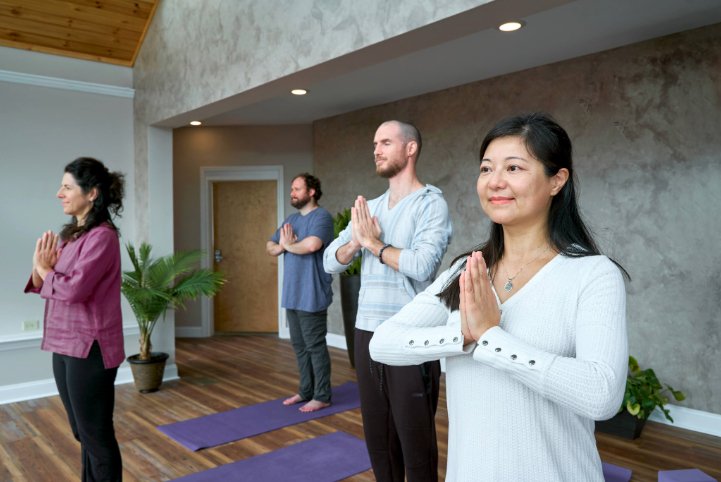
Unlike many wellness strategies that focus on either the body or the mind, yoga and breathwork offer an integrated approach to wellness. Yoga combines physical postures (asanas), breathing techniques (pranayama), and mindfulness to harmonize body and mind. Breathwork, specifically, gives us direct access to the autonomic nervous system—something most of us believe is outside our control. With each intentional breath, we can send signals to the brain that we are safe, calm, and centered.
A consistent daily practice of yoga and breathwork has been shown to:
- Reduce symptoms of anxiety and depression
- Improve emotional regulation
- Enhance focus and clarity
- Strengthen resilience in stressful situations
- Promote restful sleep and overall well-being
In other words, yoga and breathwork are not just exercises—they are tools for mental transformation.
3. Understanding breathwork
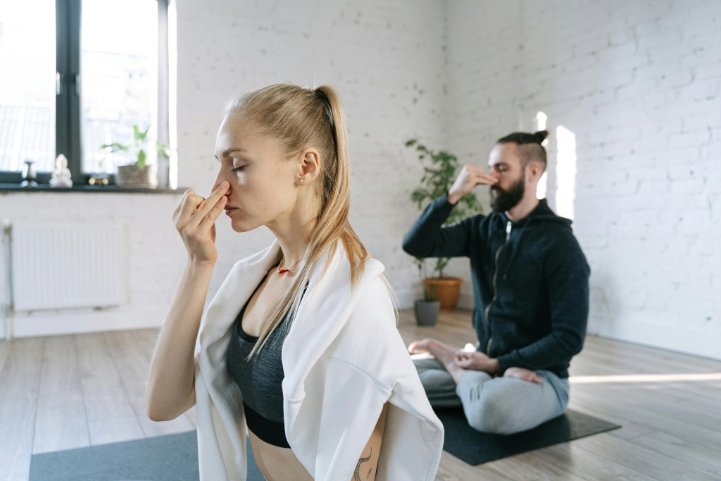
Breathwork refers to the conscious control and regulation of breathing patterns to improve physical, emotional, and mental health. While breathing is usually automatic, the way we breathe profoundly influences our nervous system, our hormones, and even our thought patterns. By learning to shift from shallow, rapid breaths (often triggered by stress) to slow, deep, and rhythmic breathing, we can reset the body’s stress response and cultivate a sense of calm.
Science of breath and stress
The nervous system has two main branches:
- Sympathetic nervous system (fight-or-flight) – activated during stress, increasing heart rate and muscle tension.
- Parasympathetic nervous system (rest-and-digest) – activated during relaxation, slowing heart rate and promoting healing.
When we engage in deep, diaphragmatic breathing, we stimulate the vagus nerve, which signals the brain to activate the parasympathetic system. This lowers cortisol (the stress hormone), reduces blood pressure, and creates a state of calm alertness.
A 2017 study published in Frontiers in Human Neuroscience found that slow breathing practices improved mood and increased alertness while reducing anxiety. Other research has shown that breath-focused practices can even alter brain wave activity, moving the mind into relaxed yet focused states similar to meditation.
Ancient wisdom meets modern science
The practice of breathwork is deeply rooted in yoga’s pranayama techniques, some of which are thousands of years old. Ancient yogis observed that the mind and breath are intimately connected: when the mind is restless, the breath becomes shallow and irregular; when the breath is steady, the mind grows calm.
Pranayama translates to “extension of the life force,” recognizing that breath is not just oxygen intake but also a carrier of vital energy (prana). Modern neuroscience now validates these insights, showing how breath directly impacts heart rate variability, brain function, and emotional regulation.
Benefits of breathwork for mental wellness
By practicing breathwork regularly, individuals can experience:
- Stress reduction: Slowing down the breath counteracts the stress response
- Improved focus and clarity: Deep breathing increases oxygen supply to the brain
- Emotional balance: Regulating breathing patterns helps manage mood swings and anxiety
- Resilience: With practice, the body learns to respond more calmly to future stressors
- Mind-body connection: Conscious breathing creates awareness, grounding us in the present moment
Examples of breathwork techniques
Some of the most effective and beginner-friendly practices include:
- Diaphragmatic breathing: Inhale deeply into the belly, expanding it like a balloon, then exhale fully
- Box breathing: Inhale for 4 counts, hold for 4, exhale for 4, hold for 4
- Belly breathing: Focus solely on expanding the abdomen during inhales and contracting it during exhales
- Alternate nostril breathing: Balances both hemispheres of the brain and calms the nervous system
- Ocean breath: A cousin to snoring, this breathing technique is perfect during yoga asanas, as a precursor to meditation, or as a sleep aid. This technique is also taught on the Art of Living Part 1 Course.
Each technique can be practiced in just a few minutes, making them accessible even for busy schedules.
The gateway to calm
Breathwork serves as a gateway to mindfulness and meditation. By focusing on the rhythm of the breath, the mind naturally disengages from racing thoughts and anchors itself in the present. This state of “relaxed alertness” is often where creativity, insight, and emotional healing emerge.
Ultimately, breathwork is more than a wellness tool—it is a pathway back to yourself. With each intentional breath, you reclaim the ability to calm the mind, regulate emotions, and create space for joy and peace in daily life.
4. Breathwork fundamentals
Breathwork may sound simple—we all breathe, after all—but the difference lies in awareness, technique, and consistency. Most people breathe shallowly, from the chest, without realizing that their breath reflects their mental state. When stressed, the breath becomes fast and irregular; when calm, it slows and deepens. Learning to direct the breath consciously is like learning to tune an instrument—you can restore harmony within.
The three pillars of breathwork
- Awareness
The first step is noticing how you breathe. Are you holding your breath while reading emails? Is your breath shallow when you’re rushing through the day? Awareness reveals unconscious habits and empowers you to shift them.
- Technique
Once you’re aware, specific methods—like slow inhales, controlled exhales, or breath retention—can be applied for different outcomes. For example, longer exhales activate the relaxation response, while certain energizing practices increase alertness.
- Consistency
Like any wellness practice, breathwork yields results when practiced regularly. Even 5–10 minutes of daily practice can train the nervous system to remain calmer under pressure.
Breath retention and release
One of the most powerful aspects of breathwork is kumbhaka, or breath retention. Holding the breath after an inhale or exhale may seem counterintuitive, but it offers profound benefits:
Equally important is release—exhaling fully to let go of tension. Many people unconsciously hold stale air in their lungs, which can heighten stress. A long, slow exhale signals safety to the brain.
Combining yoga and breathwork
Breathwork is amplified when combined with yoga. In fact, pranayama is considered one of yoga’s eight limbs, alongside postures and meditation. When practiced together, the effects multiply:
- Asanas (yoga postures) prepare the body, releasing stiffness and improving circulation
- Breathwork directs the flow of prana, calming or energizing as needed
- Meditation happens naturally once the body and breath are aligned
For example, beginning with a few rounds of cat-cow pose followed by alternate nostril breathing creates both physical release and mental clarity.
Breathing patterns and mental health
Modern psychology is increasingly recognizing the role of breathing in managing mental health. Conditions like anxiety, panic attacks, and depression often come with dysregulated breathing patterns. By retraining the breath, individuals can directly influence their mental state.
- Fast, shallow breathing (on its own) → attributed to anxiety and panic
- Irregular breathing → associated with emotional instability
- Slow, rhythmic breathing → correlated with calmness and improved mood
A daily breathwork routine doesn’t just bring temporary relief—it teaches the body new, healthier patterns of responding to stress.
Small steps, big shifts
For beginners, the best way to start is simple: set aside two minutes daily to close your eyes, place a hand on your belly, and breathe deeply. Over time, expand to longer sessions or more advanced techniques. The goal isn’t perfection, but presence.
5. Deep breathing and relaxation

Relaxation is often misunderstood as “doing nothing,” but in reality, it is an active state where the body shifts into balance and repair. Deep breathing is one of the most direct ways to enter this state.
How deep breathing works
When you inhale deeply into the diaphragm, the lower lungs expand, stimulating the vagus nerve. This nerve sends calming signals to the brain, reducing heart rate and blood pressure. Exhaling fully then clears carbon dioxide buildup, which can otherwise contribute to feelings of anxiety.
Deep breathing essentially acts as a reset button for the nervous system.
Techniques for relaxation
- Equal breathing (Sama Vritti Pranayama)
- Inhale for a count of four.
- Exhale for a count of four.
- Gradually lengthen the counts to six or eight as comfort allows.
This technique balances energy and promotes calm, making it ideal for stressful situations.
- Humming Bee Breath (Bhramari Pranayama)
- Inhale deeply through the nose.
- Exhale slowly while making a gentle humming sound.
The vibrations soothe the nervous system and quiet mental chatter. Studies have shown that this technique can reduce blood pressure and ease anxiety symptoms.
- 4-7-8 Breathing (popularized by Dr. Andrew Weil)
- Inhale for 4 counts.
- Hold for 7 counts.
- Exhale for 8 counts.
Known as the “relaxing breath,” this technique is beneficial for sleep.
- Bhastrika (bellows breath)
- To learn and master this breathing technique nicknamed ‘yogic cappuccino’, take the Art of Living Part 1 Course.
Benefits of deep breathing for mental wellness
- Reduced anxiety: Slows down racing thoughts and prevents panic spirals.
- Improved sleep quality: Helps quiet the mind before bed.
- Enhanced focus: Oxygenates the brain, improving concentration.
- Emotional regulation: Creates a buffer between stimulus and response.
- Greater self-awareness: Tuning into the breath fosters mindfulness.
The connection between breath and emotion
Have you noticed how you sigh when relieved, gasp when startled, or hold your breath when anxious? Breath and emotion are inseparable. By changing your breath pattern, you can influence your emotions. Deep breathing helps shift from a reactive to a reflective state, allowing you to respond thoughtfully instead of impulsively.
Building a relaxation ritual
To maximize benefits, create a simple daily ritual:
- Find a quiet spot in the morning or evening
- Sit comfortably or lie down
- Practice 5–10 minutes of equal breathing or humming bee breath
- Finish with a few moments of silence, noticing how calmness spreads through the body
Over time, this becomes a sanctuary you can return to anytime life feels overwhelming.
6. Yoga for mental wellness
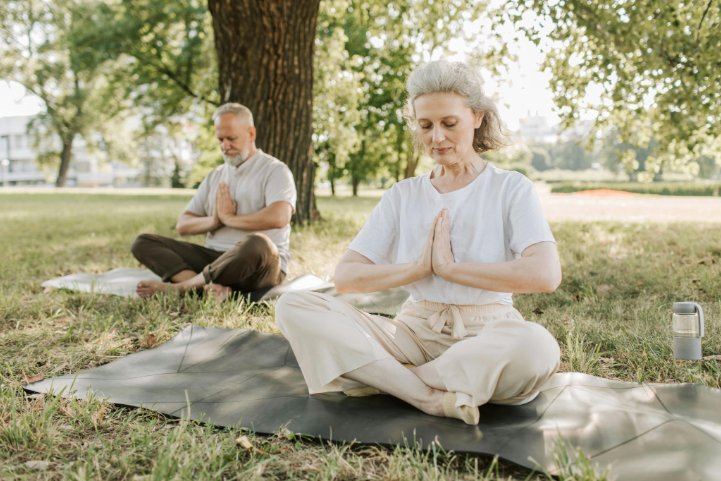
Yoga is often celebrated for its physical benefits—flexibility, strength, balance—but its most profound gift lies in how it nurtures the mind. Rooted in ancient wisdom and increasingly validated by modern science, yoga provides a holistic approach to cultivating mental wellness.
How yoga supports mental health
- Integration of body and mind
Each yoga posture (asana) is not just moving the body, but a practice in presence. When you hold a pose while focusing on your breath, you’re training the mind to stay grounded in the present rather than spiraling into worry about the past or future.
- Regulation of the nervous system
Yoga balances the autonomic nervous system, shifting us from “fight-or-flight” into “rest-and-digest.” Practices such as forward bends calm the system, while gentle backbends energize, allowing the practitioner to self-regulate based on their needs.
- Release of stored tension
Emotional stress often accumulates in the body as tight shoulders, clenched jaws, or shallow breathing. Through mindful movement, yoga helps release these tensions, creating both physical and emotional relief.
- Cultivation of mindfulness
Yoga encourages observation without judgment. By simply noticing sensations, thoughts, and emotions that arise during practice, we develop resilience against negative mental patterns.
Scientific evidence
Numerous studies have confirmed yoga’s impact on mental wellness. Here are two examples:
- A 2017 Harvard Medical School review found yoga can reduce symptoms of anxiety and depression, particularly when practiced regularly.
- A study published in Frontiers in Neuroscience found that the three core components of yoga— yogic breathing, yoga postures, and meditation —activate the prefrontal cortex, the region associated with decision-making and emotional regulation.
Types of yoga for mental wellness
- Gentle Yoga (Restorative, Yin, or Hatha)
Focuses on slow, supported postures that calm the nervous system. Ideal for individuals experiencing stress, fatigue, or burnout.
- Mindful Flow (Slow Vinyasa or Kripalu Yoga)
Combines breath with movement, encouraging presence while providing light physical activation.
- Yoga Nidra (Yogic Sleep)
This guided meditation is practiced while lying down, allowing for a deep relaxation of both body and mind. Studies show Yoga Nidra can reduce anxiety and improve sleep quality.
- Breath-centered yoga
Prioritizes pranayama (breath regulation) integrated with gentle postures. Perfect for those seeking stress relief and emotional balance. The Art of Living’s Padma Sadhana is the perfect example of breath-centered yoga.
The role of yogic breathing
Pranayama (yogic breathing) is an inseparable part of yoga’s impact on mental wellness. Techniques like alternate nostril breathing have been shown to balance brain hemispheres, improve focus, and calm the nervous system.
In essence, yoga is not just about stretching the body—it is about stretching the mind into new states of awareness, resilience, and peace.
The Art of Living specializes in yogic breathing techniques, namely the powerful SKY Breath Meditation (Sudarshan Kriya Yoga) technique. The Art of Living also teaches Ujjayi Breath (ocean breath), Bhastrika (bellows breath), Nadi Shodhana (alternate nostril breathing), Bhramari Pranayama (humming bee breath), and more.
7. Daily yoga practice
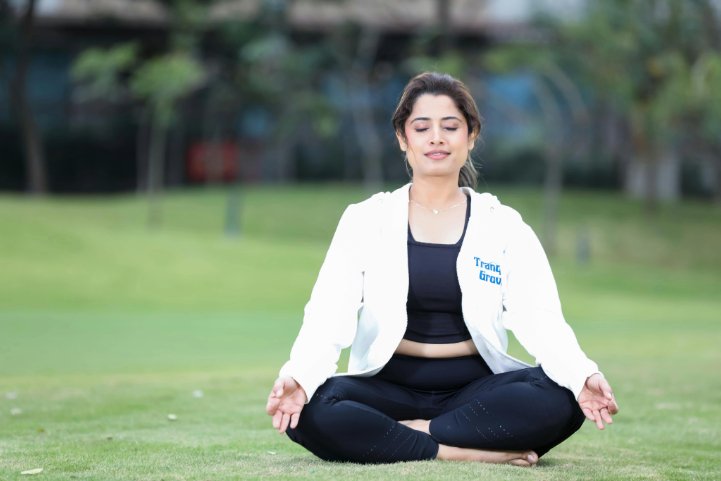
The true benefits of yoga unfold through regular practice. Consistency is more important than duration—just 10 to 20 minutes daily can transform mental well-being over time.
Why daily matters
Think of yoga like brushing your teeth: one session may feel refreshing, but it is the daily routine that prevents buildup. Similarly, a regular yoga practice helps avoid the accumulation of stress and fosters emotional resilience.
Key elements of a daily yoga routine
- Centering (2–3 minutes)
Begin by sitting comfortably, closing your eyes, and observing your breath. This helps transition from the busyness of life into a state of presence.
- Gentle warm-up (5 minutes)
Movements like cat-cow, neck rolls, and shoulder shrugs release stiffness and prepare the body for deeper practice.
- Asana practice (10–15 minutes)
- Forward folds for calming the nervous system.
- Gentle twists for detoxifying and releasing tension.
- Bridge pose or supported backbend for opening the chest and improving mood.
- Child’s pose (Balasana) for deep rest and grounding.
- Pranayama (5 minutes)
Integrate simple breathwork such as equal breathing or alternate nostril breathing.
- Relaxation or meditation (5 minutes)
Conclude with Shavasana (corpse pose) or a brief meditation, allowing the nervous system to absorb the benefits.
Enhancing mental benefits with mindful breathing
Adding breath awareness to each posture significantly enhances the mental effects. For instance:
- Inhale as you rise into a gentle backbend, feeling openness
- Exhale as you fold forward, releasing tension.
This mindful rhythm links body and breath, deepening calmness
Making yoga a habit
For many people, the biggest challenge is not practicing yoga—it’s making it stick as a habit. Here are some practical tips:
- Start small: Commit to 10 minutes daily instead of an hour once a week.
- Create a sacred space: Dedicate a corner with a mat or cushion to signal practice time.
- Tie it to a routine: Pair yoga with existing habits (e.g., right after brushing teeth in the morning).
- Use guided videos or apps: These provide structure and reduce decision fatigue.
- Celebrate progress: Even a short session counts. Consistency, not perfection, is the goal.
The ripple effect
Daily yoga practice doesn’t just stay on the mat. It influences how you respond to life off the mat:
- You may pause and breathe deeply instead of reacting with anger
- You may notice stress building sooner and take steps to release it
- You may feel more centered, even during challenging days
By making yoga a non-negotiable part of your daily rhythm, you create a foundation of balance and clarity that supports all aspects of life.
8. Breathwork exercises and practice

Breathwork offers a unique advantage over many wellness practices—it is always available. You don’t need a yoga mat, special clothing, or even a quiet space to begin. All you need is awareness and a few moments to connect with your breath.
Core breathwork techniques for mental wellness
- Box Breathing (Square Breathing)
- Inhale for 4 counts.
- Hold for 4 counts.
- Exhale for 4 counts.
- Hold for 4 counts.
Best for: Calming nerves in high-pressure moments (before a presentation, during conflict, or while commuting). Navy SEALs famously use this technique to stay composed under stress.
- Equal Breathing (Sama Vritti)
- Inhale for 4 counts.
- Exhale for 4 counts.
Gradually lengthen to 6 or 8 counts as your lung capacity grows.
Best for: Reducing anxiety, balancing emotions, and cultivating mindfulness.
- Alternate Nostril Breathing (Nadi Shodhana)
- Close the right nostril with the thumb, inhale through the left.
- Close the left nostril with the ring finger, exhale through the right.
- Inhale through the right, exhale through the left.
Continue this cycle for 5–10 minutes.
Best for: Balancing the nervous system, improving focus, and harmonizing brain hemispheres.
- Belly Breathing (Diaphragmatic Breathing)
- Place a hand on your belly.
- Inhale deeply so that the belly expands outward.
- Exhale slowly, letting the belly contract.
Best for: Daily stress relief, grounding, and relaxation before sleep.
- Ocean Breath (Ujjayi Pranayama)
- Inhale through the nose, slightly constricting the throat.
- Exhale with the same gentle constriction, creating a soft ocean-like sound.
Best for: Focusing the mind during yoga practice and calming anxious thoughts.
- Humming Bee Breath (Bhramari)
- Inhale through the nose.
- Exhale with a gentle humming sound, like a bee.
Best for: Relieving tension, quieting mental chatter, and reducing anger or frustration.
Tips for successful practice
- Start small: 5 to 10 minutes per day is enough for beginners.
- Consistency beats intensity: Practicing briefly every day is more beneficial than one long session weekly.
- Comfort matters: Sit with your spine tall but relaxed. If sitting isn’t comfortable, try out different chairs.
- Use guidance: Beginners may benefit from recorded instructions or a certified teacher.
Practicing anywhere, anytime
Unlike physical yoga, breathwork can be done in almost any context:
- On a bus or subway commute
- At your desk between meetings
- Before bed to wind down
- Even in the middle of a stressful conversation, a few deep belly breaths can help you respond calmly rather than react impulsively
Group practice
Practicing breathwork in a group or class setting can deepen the experience. Shared energy, rhythm, and accountability often amplify the benefits. Additionally, a skilled instructor can offer personalized adjustments and encouragement.
Breathwork, when practiced regularly, becomes more than a stress relief technique—it becomes a lifelong tool for maintaining mental clarity and emotional balance.
9. Integrating breathwork with daily activities
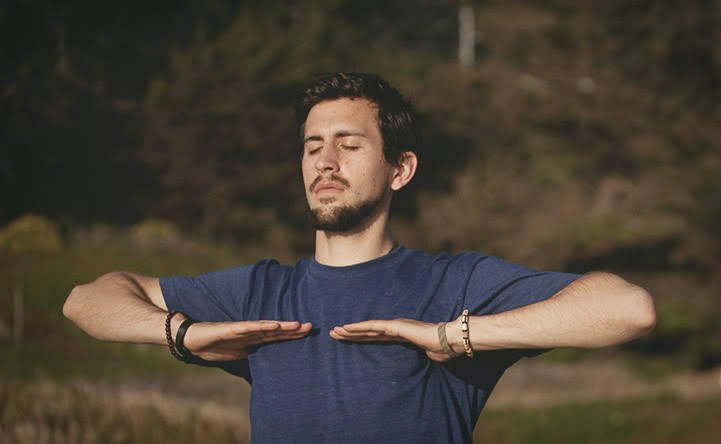
While dedicated practice sessions are important, the real power of breathwork lies in its integration into everyday life. Breath can become an anchor throughout the day, transforming routine moments into opportunities for calm and presence.
Morning integration
Starting the day with intentional breathing sets the tone for mental clarity and resilience.
- Practice upon waking: Before checking your phone, take 10 slow, deep breaths.
- During morning yoga or meditation: Use alternate nostril breathing to balance the nervous system.
- In the shower: Try equal breathing, letting each inhale and exhale match the flow of water.
At work or school
Stress and distractions often peak during the day. Breathwork provides quick resets.
- Before a meeting or class: Box breathing can sharpen focus and reduce performance anxiety.
- During breaks: Practice belly breathing instead of scrolling your phone.
- While commuting: Use mindful breathing to transform travel time into meditation time.
In daily tasks
Breathwork doesn’t need to feel separate from life—it can be woven into ordinary activities.
- Cooking: Sync your breathing with chopping or stirring, making it a mindfulness practice.
- Walking: Practice breath-to-step ratios (inhale for three counts, exhale for four).
- Household chores: Transform cleaning into moving meditation by pairing rhythmic movements with steady breathing.
In stressful moments
When you feel overwhelmed:
- Pause and take 3–5 slow, deep breaths.
- Extend the exhale to double the length of the inhale.
- Notice the immediate shift in your state of mind.
Evening integration
Breathwork is especially powerful in the evening, when it can release accumulated stress and prepare the body for restful sleep.
- Before dinner: Practice a few minutes of equal breathing to transition from work mode to home mode.
- Before bed: Humming bee breath or 4-7-8 breathing can calm the mind for sleep.
Making breathwork a habit
The secret to integration is linking breathwork to existing habits:
- Take five deep breaths whenever you sit down at your desk.
- Use stoplights as a cue for box breathing.
- Practice equal breathing every time you boil water for tea or coffee.
These small “habit stacks” transform breathwork from a practice into a lifestyle.
10. Morning routine for energy and calm

The way you begin your morning sets the tone for the entire day. A rushed, stressful start often ripples into tension, fatigue, and distraction. But a calm, intentional morning routine—anchored in yoga and breathwork—can energize the body, quiet the mind, and create a sense of grounded clarity.
Why morning matters
- Cortisol awakening response: Cortisol naturally spikes in the morning to wake you up. Breathwork helps regulate this surge so you feel energized without anxiety.
- Mental reset: Sleep clears the mind, but breathwork and movement “warm up” focus and resilience for the day ahead.
- Momentum builder: Starting with calm sets a rhythm of mindfulness that carries through work, family, and decision-making.
Step-by-step morning practice
- Gentle awakening (5 minutes)
- Before getting out of bed, take 10 deep belly breaths.
- Place one hand on your chest and one on your stomach. Feel the rise and fall with each inhale and exhale.
- Set an intention: “Today, I choose calm and clarity.”
- Sun Salutations (Surya Namaskar) (10 minutes)
- Flow through 4–6 rounds of sun salutations.
- Sync each movement with the breath: inhaling during upward stretches, exhaling during forward folds.
- This awakens circulation, warms the muscles, and gently activates the parasympathetic nervous system.
- Morning breathwork (10 minutes)
Choose one or two techniques:
- Alternate Nostril Breathing to balance energy and focus.
- Kapalabhati (Shining-Skull Breath) for invigoration—short, sharp exhales through the nose to energize the mind.
- Equal Breathing for a calm, centered start if mornings tend to feel anxious.
- Meditation (5–10 minutes)
- Sit comfortably and observe your natural breath.
- If the mind wanders, gently return to the rhythm of inhalation and exhalation.
- Even five minutes creates clarity that lasts throughout the day.
- Gratitude (2–3 minutes)
- End your practice by acknowledging one thing you are grateful for.
- This small act rewires the brain toward positivity and resilience.
Pro-tip:
Consistency. Even 20 minutes of morning yoga and breathwork is more impactful than a full hour done sporadically.
11. Midday routine for focus and productivity
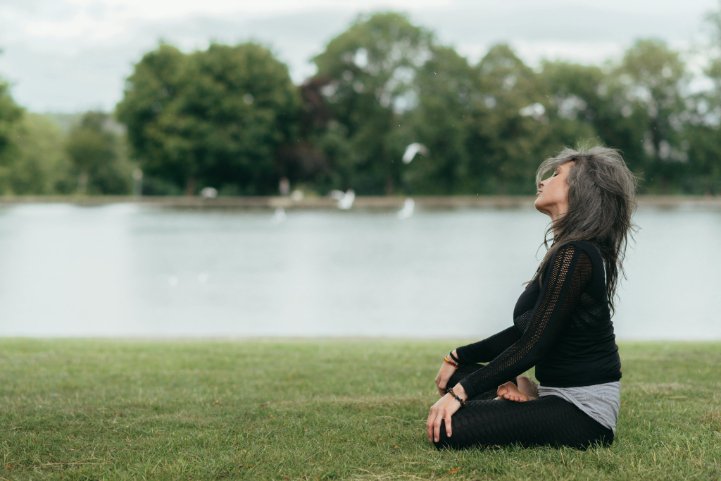
By midday, many people hit a slump—energy dips, focus scatters, and stress accumulates. This is the perfect time to pause, reset, and use breathwork and gentle movement to recharge the mind and body.
Why midday practice works
- Restores focus: Taking short breaks improves productivity by preventing mental fatigue.
- Supports digestion: Breathwork and stretches after lunch aid digestion and prevent lethargy.
- Balances stress hormones: A few minutes of intentional breathing lowers cortisol and stabilizes energy.
Step-by-step midday reset
- Posture Check (1 minute)
- Sit tall, shoulders relaxed.
- Notice if you are slouching or holding tension. Correcting posture improves breathing capacity instantly.
- Energizing breathwork (5 minutes)
Choose based on your need:
- Box Breathing for calm focus before an important task.
- Bhastrika (Bellows Breath) for a natural energy boost without caffeine.
- Equal Breathing if you feel restless or distracted.
- Desk stretches (5 minutes)
- Seated spinal twist: Inhale tall, exhale twist gently to each side.
- Neck rolls: Relieve tension from screen time.
- Seated forward fold: Inhale up, exhale, folding over thighs to release back stress.
- Sukshma Yoga: This subtle yoga series is perfect for practicing at your desk.
- Mini-meditation (5 minutes)
- Close your eyes and follow your breath.
- If thoughts arise, label them “thinking” and return to breathing.
- This mental reset often makes the second half of the day more productive than the first.
Midday success habit
Think of this routine as a “mental lunch”—a way to nourish the mind the same way food nourishes the body. Even 10–15 minutes creates measurable improvements in productivity, mood, and resilience.
12. Evening routine for relaxation and sleep

The evening is the body’s natural transition from activity into rest. Yet for many, this period is marked by overstimulation, screen time, and lingering stress from the day. By practicing yoga and breathwork in the evening, you give your nervous system a powerful signal: It’s safe to relax, let go, and recharge.
Why evening routines are essential
- Stress unwinding: Stress hormones can remain elevated after work, making it hard to sleep. Breathwork lowers cortisol and slows heart rate.
- Parasympathetic activation: Gentle yoga poses and slow breathing engage the “rest-and-digest” system, preparing the body for rest and relaxation, ultimately promoting sleep.
- Sleep quality: Deep, consistent breathing enhances oxygen exchange, thereby reducing nighttime awakenings and symptoms of insomnia.
Step-by-step evening practice
- Screen-free wind-down (15–30 minutes before practice)
- Dim lights and reduce blue light exposure.
- Play calming music or nature sounds to set the tone.
- Gentle yoga poses (10–15 minutes)
- Child’s Pose (Balasana): Relieves lower back and quiets the mind.
- Legs-Up-the-Wall Pose (Viparita Karani): Improves circulation and reduces fatigue.
- Supine Spinal Twist: Releases tension from the back and digestive system.
- Hold each pose for 5–10 breaths, moving slowly and mindfully.
- Evening breathwork (10 minutes max)
Choose calming techniques:
- Humming Bee Breath (Bhramari): Soothes the mind, excellent for releasing anxious thoughts.
- Box Breathing (4-4-4-4 count): Creates rhythm and balance, easing restlessness.
- Extended Exhale Breathing: Inhale for 4, exhale for 6–8 counts to slow heart rate.
- Ujjayi Breathing: Watch this video to learn this breathing exercise, then practice 10 slow, long, and deep ujjayi breaths lying down in bed to drift off to sleep effortlessly. Note: This breathing technique is taught on the Art of Living Part 1 Course.
- Progressive Muscle Relaxation (5–7 minutes)
- Inhale and tense one muscle group (shoulders, hands, feet).
- Exhale and release completely.
- Move systematically through the body.
- Sleep Meditation or Gratitude Practice (5 minutes)
- Sit or lie down, focusing on the breath.
- Reflect on 1–2 things you’re grateful for today.
- This shifts mental focus from stress to appreciation, priming the mind for rest.
When practiced consistently, an evening yoga and breathwork ritual becomes a natural cue for the body and mind to transition into deep, restorative sleep.
13. Overcoming challenges and obstacles

Like any wellness practice, yoga and breathwork come with hurdles—restlessness, inconsistency, or self-doubt. These challenges are natural and part of the journey. The key is learning how to move through them with patience and compassion.
Common challenges and solutions
- Difficulty focusing
- Challenge: Mind wanders during breathwork or meditation.
- Solution: Start small (2–3 minutes). Use guided recordings or focus on counting inhales and exhales.
- Feeling anxious while breathing
- Challenge: Certain breathwork may feel overwhelming.
- Solution: Stick to gentle techniques like equal breathing or extended exhale. Avoid intense pranayama until you feel more comfortable.
- Inconsistency
- Challenge: Forgetting or skipping practice.
- Solution: Pair breathwork with existing habits—morning coffee, commuting, or brushing teeth. Use reminders or apps to track progress.
- Physical discomfort
- Challenge: Sitting for long periods causes restlessness or pain.
- Solution: Use cushions or practice lying down. Gentle yoga stretches beforehand prepare the body for seated breathwork.
- Lack of time
- Challenge: Busy schedules make it hard to commit.
- Solution: Even 2–5 minutes can create benefits. Choose micro-practices—like three deep breaths before meetings or 1-minute humming bee breath before bed.
Mindset shifts for success
- Progress, not perfection: Every breath counts
- Consistency over intensity: Daily short practices beat long, irregular sessions
- Curiosity over judgment: Approach each session as exploration, not performance
Finding support
- Community: Join group yoga or breathwork classes for accountability
- Teachers: A skilled instructor can adapt techniques to your needs
- Digital Tools: Use meditation and breathwork apps to guide practice on busy days
Encouragement for the journey
Remember, obstacles are not signs of failure—they are stepping stones. With persistence, what once felt like a challenge transforms into a source of strength and resilience.
14. Conclusion and next steps
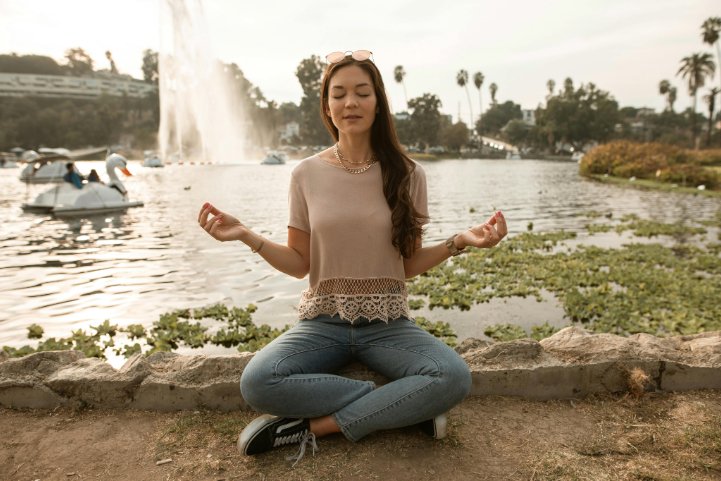
The journey toward mental wellness is not about dramatic overnight changes—it is about cultivating small, intentional practices that, over time, reshape your inner world. Yoga and breathwork are not quick fixes, but daily rituals that build resilience, deepen emotional balance, and create a more grounded, peaceful way of living.
Key takeaways from the journey
- Mental wellness is holistic.
- It is not simply the absence of illness but the presence of emotional balance, mental clarity, and a sense of purpose. Yoga and breathwork nourish this balance from the inside out.
- Breath is the bridge.
- Conscious breathing directly influences the nervous system. Whether through deep diaphragmatic breathing, alternate nostril breathing, or humming bee breath, each technique offers a tool for calming stress and enhancing clarity.
- Yoga and breathwork work best together.
- Yoga postures release physical tension while preparing the body for the stillness of breathwork. Breathwork enhances mindfulness during yoga, creating a cycle of mind-body harmony.
- Daily routines are powerful.
- Morning routines energize, midday resets refocus, and evening rituals restore. Practiced consistently, these anchor points transform how you experience each day.
- Obstacles are normal.
- Distractions, restlessness, or inconsistency are part of the path. What matters most is returning to the practice—even if only for a few breaths.
Your next steps
If you are ready to bring these practices into your daily life, here are some practical ways to begin:
1. Start small, but start today
- Commit to just 5 minutes of breathwork—like equal breathing or alternate nostril breathing—before bed or upon waking.
- Add more time as it feels natural. The most powerful practice is the one you actually do.
2. Create a daily anchor
- Pair breathwork with something you already do: morning coffee, lunch break, or evening wind-down.
- Let it become as natural as brushing your teeth.
3. Explore and experiment
- Try different breathwork techniques until you find what resonates.
- Some days may call for energizing practices, such as kapalabhati, while others may require calming techniques, like an extended exhale.
4. Combine yoga, breathwork, and meditation
- Begin with a few yoga stretches, move into breathwork, then rest in meditation. This progression creates the most balanced impact.
5. Seek guidance and community
- Join a local yoga or Art of Living program for structured learning and encouragement.
- Practicing with others often deepens commitment and joy.
6. Track your progress
- Keep a simple journal of your practice—note how long you practiced and how you felt before and after.
- Over time, you’ll see patterns of reduced stress, improved focus, and more balanced emotions.
7. Be patient and kind to yourself
- Transformation is subtle and accumulative.
- On some days, you may feel instant calm; on others, the benefits may be less noticeable. Trust that each breath is building a stronger, calmer foundation.
A word of encouragement
Imagine your mind as a lake. When stirred by stress, the surface ripples and clouds your clarity. But with daily yoga and breathwork, the waters begin to settle—reflecting life more clearly, responding with wisdom, and flowing with calm strength.
Taking the first step may feel small, but it is deeply significant. Every mindful breath is a step toward greater peace, resilience, and joy.
So begin today. Close your eyes, take a deep breath in, exhale fully, and remember: calm is already within you—your breath is the key to unlocking it.
15. 🌿Bring your daily routine to life🌿
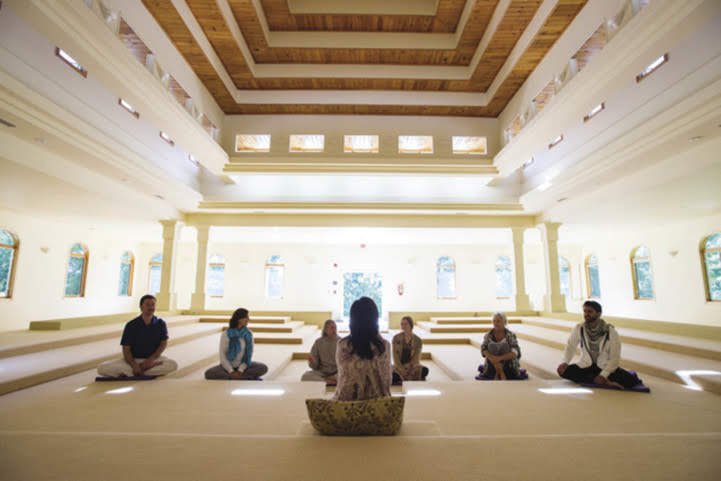
You’ve read how yoga and breathwork can unlock calm, clarity, resilience, and more. Now, start your journey by taking the Art of Living Part 1 Course, which gives you the complete experience—teaching you SKY Breath Meditation and other powerful yogic practices to turn stress into peace every single day.
👉 Start your journey today and make calm not just a practice, but a way of life.