Beginners Guide
Discover the essential role of rest in enhancing your well-being and productivity. Learn how prioritizing downtime can transform your daily life. Read more!

Updated on: 17th September 2025
Posted on: 17th September 2025
In today’s fast-paced world, where productivity is often glorified above well-being, rest is sometimes undervalued. Yet, rest is not a luxury—it is a necessity for a healthy and balanced life.
Rest goes beyond just sleep; it is the foundation of physical vitality, mental clarity, and emotional balance. Taking intentional breaks reduces stress, boosts mood, strengthens the immune system, and allows the body and mind to recharge. By prioritizing rest, we give our cells the chance to repair, our energy levels time to restore, and our spirit the opportunity to rejuvenate.
When rest becomes a regular practice, we are better equipped to handle the demands of modern life. It reduces the risk of mental fatigue, anxiety, and depression, while sharpening our focus and cognitive abilities. Quality sleep—one of the most vital forms of rest—also plays a pivotal role in supporting both mental and physical health. Proper rest lowers blood pressure, reduces stress hormones, and promotes emotional well-being, ultimately enhancing overall quality of life.
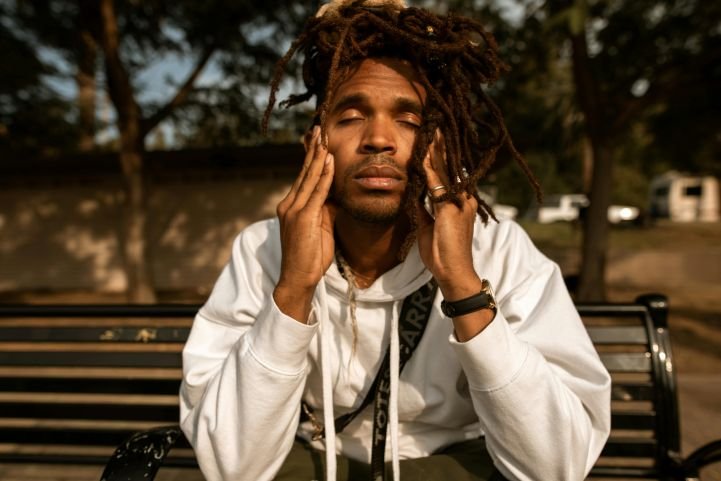
Many people associate rest solely with sleep, but authentic restoration comes from addressing the multiple dimensions of our well-being. According to health experts and ancient wisdom alike, there are seven types of rest, each playing a vital role in keeping us energized, balanced, and whole. By understanding these different types, we can identify where we are depleted and intentionally nourish that area of life.
Physical rest restores the body by allowing muscles, joints, and tissues to recover. It can be passive (like sleeping or napping) or active (like stretching, yoga, or restorative practices that release tension). For those with busy schedules or physically demanding routines, prioritizing physical rest prevents fatigue, reduces the risk of injury, and supports long-term vitality.
💡 Art of Living connection: Yoga asanas gently stretch and relax the body. At the same time, SKY Breath Meditation calms the nervous system and helps the body enter a state of profound relaxation—offering more rejuvenation than a simple nap could provide.
Our minds are constantly at work—analyzing, planning, and multitasking. Without mental rest, we experience brain fog, stress, and reduced focus. Mental rest gives the brain permission to pause and reset.
💡 Art of Living connection: Sahaj Samadhi Meditation provides deep mental rest by transcending thought and quieting mental chatter. Even a few minutes of meditation can feel like hours of rest for the mind, improving clarity and focus.
Emotional rest involves giving ourselves space to feel authentically—without judgment or pretense. It is especially needed when we give emotional support to others but neglect our own inner needs.
💡 Art of Living connection: Through wisdom discussions, guided meditations, and community satsangs, Art of Living programs create safe spaces where participants can let go of emotional burdens, experience acceptance, and return to a place of balance and peace.
From constant notifications to bright screens, our senses are bombarded daily. Sensory rest invites us to reduce overstimulation and restore inner stillness.
💡 Art of Living connection: Art of Living retreats often encourage digital detoxes, helping participants reconnect with silence, nature, and mindful presence. Practices like Yoga Nidra or guided relaxation also give the senses time to reset.
Not all social interactions are restorative. Some drain us, while others uplift and inspire. Social rest involves choosing relationships that nourish us and setting boundaries with those that don’t.
💡 Art of Living connection: The seva (selfless service) culture within Art of Living builds uplifting communities rooted in compassion. By engaging with like-minded, supportive people, individuals experience energizing and restorative social connections.
Creative rest renews our sense of wonder and inspiration. It is about refreshing the mind’s capacity to innovate and imagine. Without it, even naturally creative individuals feel uninspired or stuck.
💡 Art of Living connection: Meditation is a powerful gateway to creativity. By quieting the mind, SKY Breath Meditation and Sahaj Samadhi Meditation unlock deeper levels of intuition and originality. Many participants find new inspiration in music, art, writing, or problem-solving after these practices.
Spiritual rest connects us with a sense of meaning, belonging, and alignment with something greater than ourselves. It brings deep fulfillment and peace that transcends daily struggles.
💡 Art of Living connection: Whether through guided meditations, wisdom talks by Gurudev Sri Sri Ravi Shankar, or the joy of serving others, Art of Living offers practices that provide profound spiritual rest—reminding us of our true nature and restoring inner peace.
When people feel exhausted even after a full night’s sleep, it’s often because they are rest-deprived in one or more of these areas. Someone may be physically rested but emotionally drained, or mentally tired despite social fulfillment.
By recognizing the seven types of rest and integrating Art of Living practices—breathwork, meditation, yoga, wisdom, and service—we can restore balance, prevent burnout, and live with more energy, clarity, and joy.

Mental rest is often overlooked in a culture that rewards constant thinking and doing. But the brain, like any muscle, requires recovery periods to function at its best. Without mental rest, we experience fogginess, irritability, and reduced productivity.
Practices that foster mental rest—such as meditation, reading, journaling, or simply spending quiet time in nature—can reduce stress, boost mood, and improve focus. Mental rest also lowers the risk of burnout, anxiety, and depression, making it an essential part of overall well-being.
When mental rest is prioritized, individuals can manage stress more effectively, make clearer decisions, and maintain a healthier work-life balance. It also fuels creativity, problem-solving, and innovation by giving the mind the space to wander, reflect, and regenerate.

While exercise strengthens the body, rest allows it to heal and grow stronger. Rest is essential for:
Adequate rest also reduces the likelihood of injuries and enhances recovery after illness or strain. For athletes and active individuals, rest is not an interruption of training but a vital component of it. For everyone, physical rest plays a crucial role in maintaining a healthy lifestyle by enhancing sleep quality, alleviating pain, and promoting resilience.

Despite knowing the importance of rest, many people struggle to make it a priority. Common barriers include:
To overcome these challenges, small but intentional changes can make a difference:
By addressing these barriers, individuals create space for genuine rejuvenation, thereby reducing burnout and strengthening their overall well-being.

Rest is not just the absence of activity—it is an intentional practice. The way we rest determines how deeply the body, mind, and emotions can recharge. By incorporating specific restful techniques into daily life, we can create sustainable rhythms of renewal that counterbalance stress, fatigue, and overstimulation.
Here are some powerful approaches:
Meditation is one of the most effective tools for cultivating deep rest. Unlike sleep, which restores the body, meditation rejuvenates both the mind and spirit. Regular practice can help reduce stress, balance emotions, and quiet mental chatter.
💡 Art of Living connection: Programs like Sahaj Samadhi Meditation and SKY Breath Meditation provide profound rest at a cellular level. Studies show that SKY practice lowers stress hormones, increases energy, and promotes a state of calm alertness—resting the nervous system in a way that ordinary rest cannot achieve.
The breath is a bridge between body and mind. Simple breathing techniques can quickly shift the nervous system from a state of stress (fight-or-flight) to one of rest and recovery (rest-and-digest). Even a few minutes of deep, conscious breathing can lower heart rate, reduce anxiety, and improve focus.
💡 Art of Living connection: The Art of Living Part 1 Course teaches time-tested breathing practices that bring deep relaxation while energizing the body. These techniques are especially powerful for people who struggle to unwind after a busy day.
This technique involves tensing and releasing different muscle groups to release stored physical tension. It increases awareness of how stress manifests in the body and provides an immediate sense of ease.
💡 Paired with meditation, it helps align the body with mental and emotional rest.
Gentle practices such as yoga, tai chi, or mindful walking are forms of “active rest” that calm the mind while stretching and relaxing the body. They encourage presence, grounding, and a release of accumulated tension.
💡 Art of Living connection: Yoga asanas practiced mindfully not only strengthen the body but also open the door to inner stillness, complementing meditation and breathwork for holistic rest.
Spending time outdoors is one of the simplest and most restorative ways to rest. Nature provides sensory relief, inspiration, and a natural reset for the nervous system. Even a short walk in the park or sitting under a tree can bring profound calm.
💡 Art of Living connection: Many Art of Living Retreats are held in serene natural environments, allowing participants to disconnect from digital overload and reconnect with the healing power of silence and nature.
Rest does not always mean stillness. Sometimes, doing something we love—reading, journaling, listening to music, gardening, or cooking—nourishes the heart and mind. These activities create emotional rest and remind us that self-care can also be enjoyable.
Our surroundings influence how easily we can rest. A calm, uncluttered space with soft lighting, soothing scents, or gentle music can signal to the body and mind that it’s time to unwind. Establishing evening rituals—such as reading, light stretching, or gratitude journaling—prepares the mind for quality sleep and deeper restoration.

Restful techniques are most effective when practiced regularly. Just as physical exercise builds strength over time, restful practices build resilience, balance, and clarity. When woven into daily life, they transform rest from an occasional luxury into a foundational part of well-being.
💡 Art of Living connection: The power of daily practice is emphasized in Art of Living programs—because even just 20 minutes of meditation or breathwork each day can create a lasting shift in energy, mood, and inner peace.

Rest is not a passive luxury; it is an active practice that supports our physical health, mental clarity, emotional balance, and spiritual well-being. When we integrate different types of rest—physical, mental, emotional, sensory, social, creative, and spiritual—we create harmony in our lives and resilience against stress.
But in today’s fast-paced world, ordinary rest often isn’t enough. Sleep may restore the body, but true rejuvenation requires something more profound—a practice that quiets the mind, releases emotional burdens, and nourishes the spirit.
This is where meditation becomes essential. Meditation offers a depth of rest that goes beyond relaxation, reaching the innermost levels of consciousness where true healing and renewal happen. Among these practices, Sahaj Samadhi Meditation, taught through the Art of Living, is a profound technique that brings the mind into effortless stillness.
Through Sahaj Samadhi, practitioners experience:
When we cultivate this kind of rest regularly, life transforms. Instead of moving through days on autopilot or feeling constantly drained, we approach each moment with more energy, presence, and joy.
👉 Experience profound rest with Sahaj Samadhi Meditation. This effortless practice, guided by the Art of Living, helps you tap into a wellspring of inner peace and renewal—leaving you refreshed, centered, and fully alive.