Beginners Guide
Discover how a silent retreat can transform your mind and spirit. Learn essential tips and insights to prepare for a meaningful experience. Read more!

Updated on: 12th February 2026
Posted on: 15th October 2025
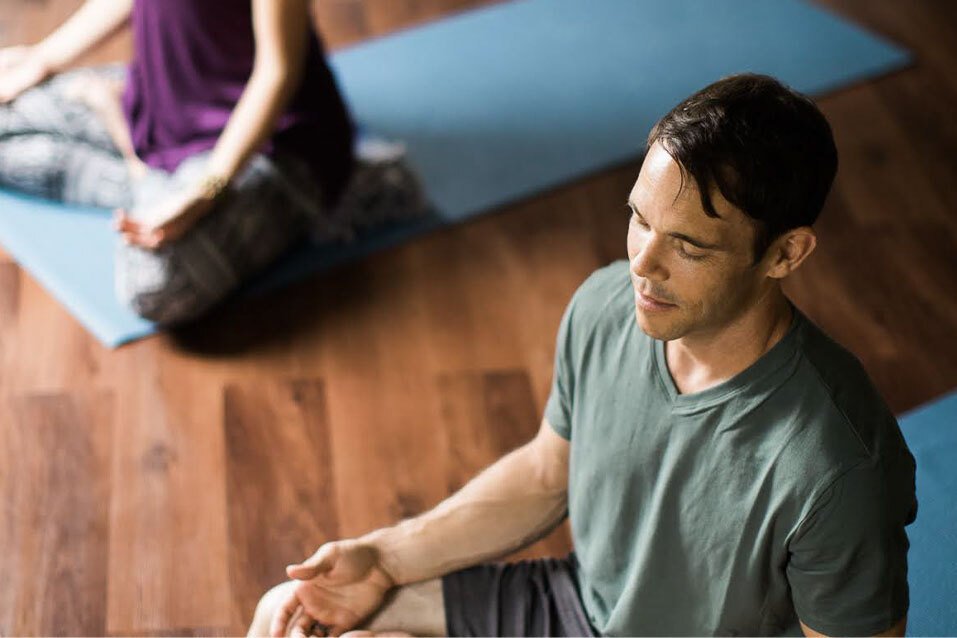
A silent meditation retreat is a profound invitation to pause, listen, and reconnect with your inner stillness. In a world filled with constant noise, distraction, and stimulation, silence becomes a powerful teacher — one that helps us cultivate mindfulness and presence in a supportive, sacred space.
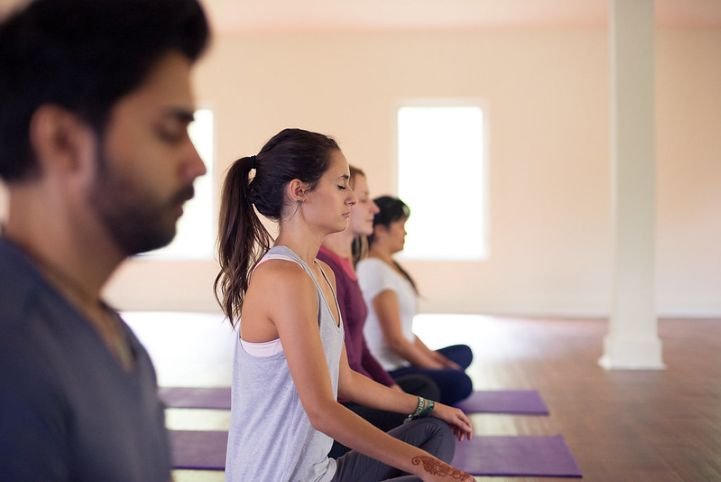
Meditation retreats such as those offered at the Art of Living Retreat Center create environments designed for reflection, healing, and self-discovery. In the shared stillness of a group, participants step away from the rush of daily life and turn their attention inward — toward the heart.
Silent retreats often include a balance of guided meditations, walking meditations, and noble silence — all tools to anchor awareness in the present moment. This immersion in mindfulness allows participants to observe their thoughts, emotions, and senses without judgment.
Through this journey, many rediscover a sense of purpose, calm, and a deep connection with life itself. The retreat becomes not an escape, but a homecoming — a return to what is most essential.

Silent meditation offers powerful benefits for both mind and body. Numerous studies show that time spent in silence reduces stress, anxiety, and emotional reactivity while improving focus, emotional regulation, and mental clarity.
When we quiet the noise around us, we begin to hear the subtler rhythms within — our breath, heartbeat, intuition, and awareness. This deep listening enhances self-understanding and compassion.
Silent meditation also strengthens the nervous system, calming the fight-or-flight response and activating the parasympathetic (rest-and-digest) system. Over time, practitioners report a sense of inner spaciousness — a calm that remains steady even amid life’s turbulence.
Regular practice cultivates mindfulness that extends into daily life — making ordinary activities like eating, walking, or listening more alive, intentional, and kind. In silence, we learn the language of peace.
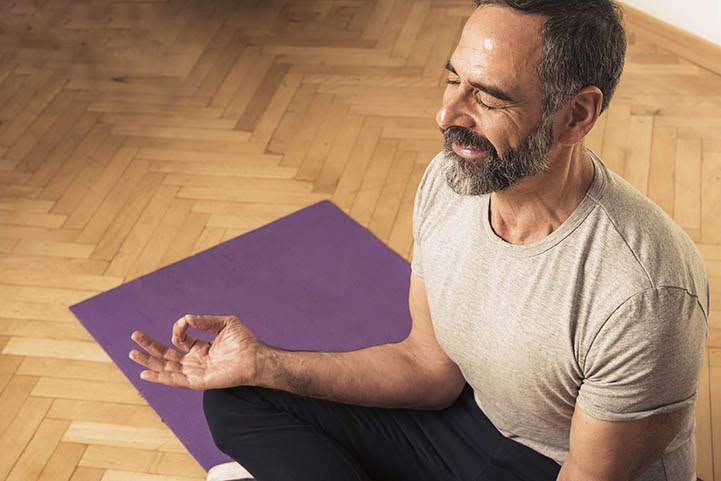
Preparation is essential to make the most of a silent meditation retreat. Begin by setting a clear intention: What draws you to silence? What are you hoping to release or understand?
Familiarize yourself with the retreat’s guidelines — including rules about electronic devices, journaling, and communication — to honor the collective silence.
Physically, bring comfortable clothing, a journal for reflections afterward, and an open heart. Mentally, practice sitting quietly each day leading up to the retreat to adjust to stillness.
Above all, enter with openness and humility. The retreat may challenge your habits of doing and speaking, but through those challenges comes transformation. By preparing mindfully, you allow silence to do its subtle, healing work.
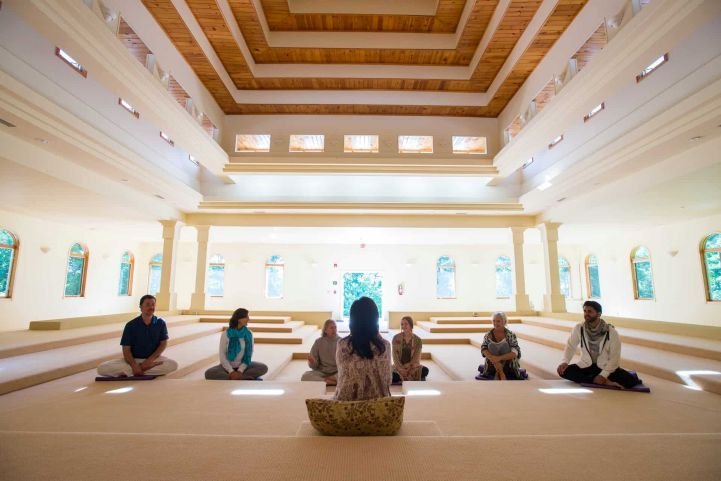
A typical silent meditation retreat follows a rhythm designed to balance activity and rest. Days may include:
Meals are usually taken mindfully, in silence, allowing participants to savor each bite with gratitude. The retreat environment itself — often surrounded by nature — supports inner peace and simplicity.
As silence deepens, participants may encounter a wide range of emotions: joy, restlessness, grief, and serenity. This is natural. Each feeling is part of the unfolding process of self-discovery. Through acceptance, these emotions become doorways to greater freedom.
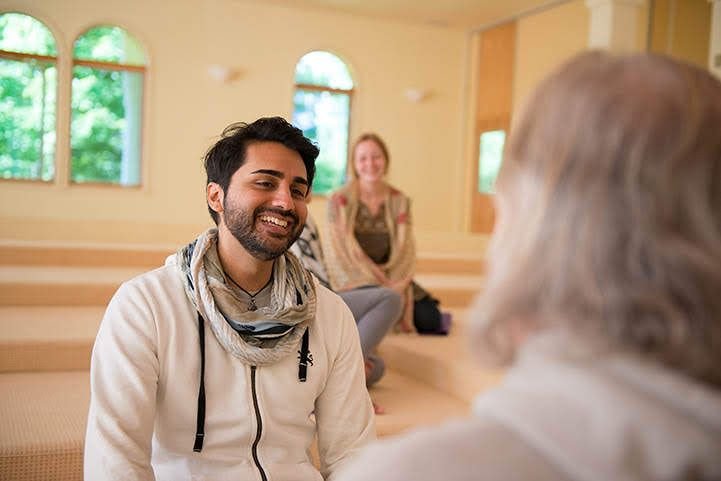
Silence is not the absence of sound — it is the presence of awareness. It reveals what words often conceal. In silence, we reconnect with intuition, creativity, and compassion.
This stillness nurtures clarity, insight, and wisdom. It helps dissolve mental clutter, bringing focus to what truly matters. Many participants describe moments of profound peace or insight — a direct experience of their own consciousness, vast and still.
Silence also awakens creativity. When the mind quiets, inspiration flows more freely. Poets, musicians, and thinkers alike have long turned to silence as a source of renewal and vision.
Even after the retreat ends, maintaining moments of silence in daily life — during a morning walk, in meditation, or before sleep — sustains this sense of balance and connection.

While silent retreats can be deeply rewarding, they can also bring discomfort. Without the usual distractions, old thoughts or emotions may surface. Physical challenges, such as long sitting periods, may arise.
The key is gentle perseverance — staying with what arises without judgment. Each moment of discomfort becomes an opportunity for insight and self-compassion.
Retreat teachers and community support play an essential role. Participants are encouraged to ask for guidance when needed — silence does not mean isolation. Shared intention creates a safe container for healing and growth.
As participants work through challenges, they often emerge with a renewed sense of resilience, self-trust, and inner peace.
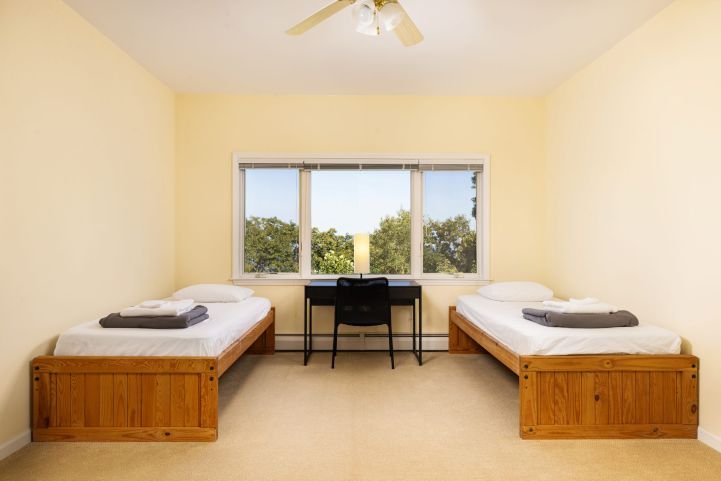
When choosing a silent retreat, reflect on your experience level, comfort with silence, and intentions.
Consider:
The right retreat will feel like a harmonious match for your current journey. A well-guided retreat offers structure, compassion, and experienced teachers who can support both beginners and seasoned meditators.
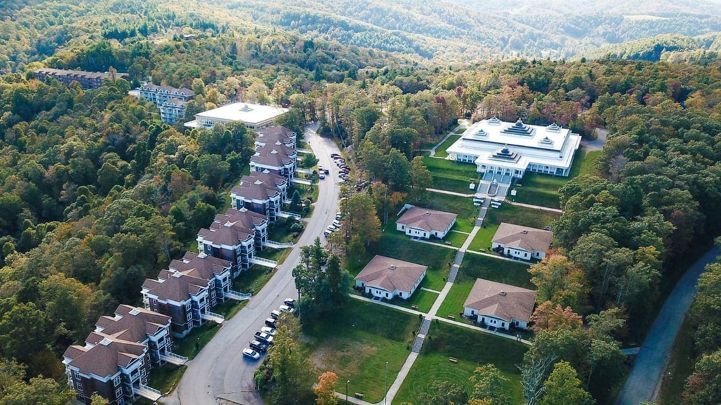
The Art of Living Silent Retreat, also called the Part 2 Course, offers a unique experience that integrates ancient wisdom with practical tools for modern life. This retreat goes beyond silence — it combines powerful breathing techniques, guided meditations, and wisdom sessions that open deeper dimensions of consciousness.
Participants practice SKY Breath Meditation, a scientifically validated technique that harmonizes the mind and body, releasing stress and restoring energy. Silence becomes not an effort, but a natural expression of inner contentment.
Facilitated by certified Art of Living instructors, the retreat unfolds in an atmosphere of warmth and community — allowing participants to rest deeply, reflect, and return to daily life with renewed clarity and joy.
Where can I take a Silent Retreat with the Art of Living?
Silent retreats are offered at The Art of Living Retreat Center in Boone, North Carolina, and at select centers worldwide. Silent Retreats are also available online from the comfort of your home.
What makes the Art of Living’s Silent Retreat different?
It combines deep silence with transformative breathwork, guided meditations, and ancient wisdom teachings, helping participants sustain peace long after the retreat ends.
Are there any prerequisites?
Participants are encouraged to complete the Art of Living Part 1 Course before attending, as it provides the foundation for SKY Breath Meditation and prepares you for deeper silence.
A silent retreat is a journey into the heart of stillness — where transformation, healing, and joy naturally arise. Whether you attend a retreat at the Art of Living Retreat Center or another sacred space, the experience can illuminate a new way of being: peaceful, present, and purposeful.
Each moment of silence reveals a truth — that serenity and wisdom already reside within. When we quiet the world outside, we rediscover the infinite peace inside.
Join the Art of Living Silent Retreat
Experience deep rest and renewal through the power of silence. Learn more and reserve your space today.
👉 To know more about the Silent Retreat, join the Power of Silence—a FREE online intro session now.