Benefits
Discover how meditation may alter your brain's structure and function. Explore the latest evidence and insights—read the article for a deeper understanding.

Updated on: 10th November 2025
Posted on: 10th November 2025
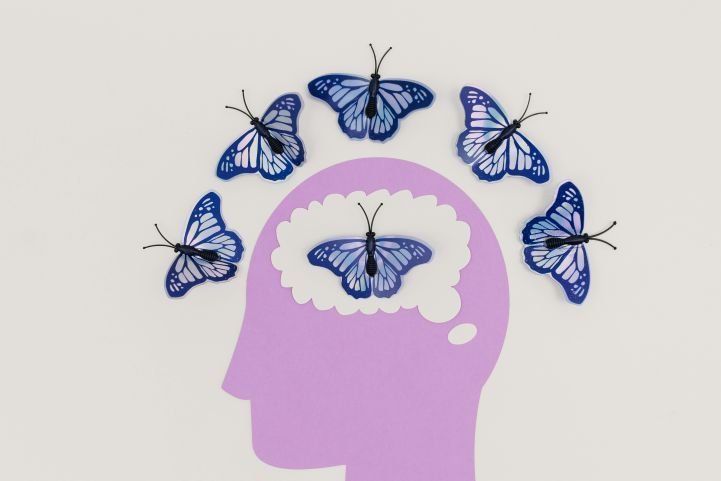
If you have ever wondered, “Does meditation change your brain?” the answer is yes. Meditation changes brain structure and function in ways that modern neuroscience continues to document.
Meditation is an ancient practice that brings awareness to the present moment through focused attention and mindful observation of thoughts and sensations. It helps achieve a mentally clear and emotionally calm state, reducing stress and rebalancing the nervous system.
Scientific and neuroimaging studies have confirmed that meditation for stress relief and mental clarity alters neural pathways, leading to lasting improvements in attention and emotional regulation.
During meditation, brain waves shift from fast beta patterns (linked to stress and active thinking) toward slower alpha and theta rhythms that reflect calm, focus, and creativity. Over time, a regular meditation practice strengthens key brain regions, such as the prefrontal cortex and emotional regulation centers, that govern focus, decision-making, and mood stability.
Daily meditation reduces amygdala activation—the brain’s fear and stress center—while improving communication with the prefrontal cortex, helping individuals remain composed even under pressure. Through consistent practice, meditation cultivates inner balance and rewires the brain toward resilience, compassion, and peace.
Meditation provides measurable benefits for both the brain and the body, influencing emotional health, the stress response, and cognitive performance. Research shows that regular meditation can increase gray matter volume, improve neural efficiency, and enhance the brain’s ability to process emotions and information.
Key benefits of meditation for the brain include
Meditation is associated with better brain self-regulation, adaptability, and focus—key outcomes of SKY Breath Meditation and neuroplasticity research. Studies at institutions such as Harvard and Stanford confirm that consistent meditation training leads to structural and functional changes that support long-term mental health and well-being.

Different types of meditation influence brain activity in unique ways. Meditation styles can be grouped into awareness practices, constructive practices, and deconstructive practices—each engaging specific neural circuits that shape the prefrontal cortex and emotional regulation, attention, and self-awareness.
Common forms of meditation include
Each technique affects the brain differently. Focused-attention practices strengthen the prefrontal cortex, while open-monitoring approaches enhance connectivity in regions tied to empathy and emotion regulation—illustrating how meditation changes brain structure and function in diverse but complementary ways.
Meditation is one of the most effective ways to induce measurable neuroplasticity. Neuroimaging studies using MRI and EEG demonstrate that meditation increases gray-matter volume, improves cortical thickness, and strengthens functional connectivity among networks that support meditation for stress relief and mental clarity.
Key neuroscience findings show:
These brain changes reflect the power of SKY Breath Meditation and neuroplasticity, showing that the mind can reshape the brain toward calm and emotional balance.
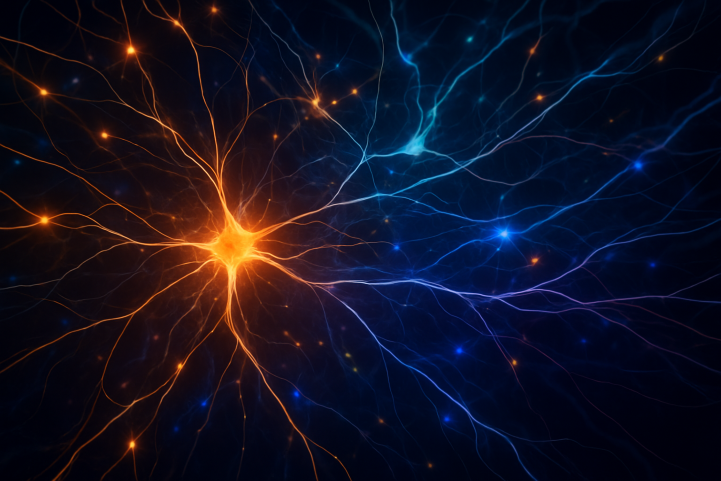
Meditation strengthens the brain through both growth and adaptation. This process—neuroplasticity—allows the brain to rewire itself in response to consistent meditative experience.
Meditation enhances brain health through
Key regions such as the amygdala, hippocampus, and anterior cingulate cortex show measurable improvement in size and efficiency. These shifts in the prefrontal cortex and emotional regulation mechanisms yield better attention, composure, and adaptability. Meditation also raises BDNF levels, promoting neural growth and resilience to stress.
Meditation serves as a powerful complement to therapies for anxiety, depression, and PTSD. By modulating brain circuits related to fear and rumination, meditation enhances recovery and emotional stability.
How meditation supports mental health
SKY Breath Meditation and neuroplasticity research demonstrate how rhythmic breathing restores balance to the nervous system. With over 100 scientific studies, SKY has proven to alleviate insomnia, anxiety, and emotional fatigue while improving social connection and overall well-being.
The scientific study of meditation—known as contemplative neuroscience—uses tools such as fMRI, EEG, and PET scans to explore how meditation changes brain structure and function in real time.
Key scientific findings include
Meta-analyses confirm that meditation for stress relief and mental clarity improves executive functioning and emotion regulation. Together, psychology and neuroscience reveal how the contemplative mind reshapes biology.

Long-term practitioners—those with thousands of hours of practice—illustrate the full potential of SKY Breath Meditation and neuroplasticity. Their brains show increased gray matter in the prefrontal cortex and hippocampus, along with stronger connectivity in the default-mode network. These adaptations support sustained focus, emotional balance, and higher cognitive performance.
Meditation practices like mindfulness and loving-kindness deepen awareness of thoughts, sensations, and emotions. This self-observation strengthens the prefrontal cortex and emotional regulation pathways, allowing individuals to respond rather than react. Neuroimaging confirms increased activation in regions tied to self-reflection and reduced stress reactivity, underscoring how meditation changes brain structure and function to build self-control and inner calm.
Through enhanced empathy and compassion, meditation improves relationships. Practices such as loving-kindness meditation activate brain circuits of social connection, while lower amygdala reactivity supports patience and understanding. These findings illustrate meditation for stress relief and mental clarity at the interpersonal level, promoting more harmonious communication and emotional intelligence.
Mindfulness and Vipassana practices cultivate meta-awareness—the ability to observe without judgment. This awareness strengthens the prefrontal cortex and emotional regulation capacities, increasing resilience and self-acceptance. Structural studies show gray-matter growth in regions responsible for emotional balance and introspection, reinforcing how meditation changes brain structure and function to nurture personal growth and well-being.
Beyond mental health, meditation opens the door to spiritual experience. Heightened brain connectivity within the default-mode network is associated with unity, peace, and transcendence. These effects of meditation for stress relief and mental clarity reveal how spiritual awareness and neural coherence go hand in hand.
Future research aims to map fine-grained patterns of SKY Breath Meditation and neuroplasticity using high-resolution imaging, explore neurotransmitter changes such as serotonin and GABA, and design personalized meditation programs guided by neural data. Emerging brain-computer interfaces will further clarify how meditation reshapes cognition and emotional resilience.

Meditation is most transformative when practiced regularly. Short, intentional pauses can cultivate meditation for stress relief and mental clarity throughout the day.
Simple ways to integrate meditation
These micro-practices activate the parasympathetic system and reinforce the prefrontal cortex and emotional regulation networks, enhancing productivity and peace.

Technology now amplifies accessibility to SKY Breath Meditation and neuroplasticity training. Apps, VR environments, and biofeedback devices help track and refine practice, offering real-time insights into how meditation changes brain structure and function.
The Art of Living Journey App offers guided SKY sessions and wisdom from Gurudev Sri Sri Ravi Shankar, helping practitioners sustain a daily rhythm and deepen their connection.
Integrating mindfulness education and SKY Schools into classrooms empowers students and teachers to cultivate focus and emotional balance. Schools that include SKY Breath Meditation programs report improved academic performance, calmer classrooms, and higher emotional intelligence.
Benefits of meditation in education include

The SKY Schools program, part of the Art of Living Foundation, delivers evidence-based breathing and mindfulness tools worldwide. Rooted in SKY Breath Meditation and neuroplasticity, it teaches students to manage stress, regulate emotions, and build resilience. Independent studies show lower cortisol levels, improved engagement, and heightened emotional intelligence—clear evidence that mindfulness education and SKY Schools strengthen both well-being and cognitive performance.
Meditation is more than a spiritual ritual—it is a scientifically validated path toward meditation for stress relief and mental clarity. Regular practice strengthens gray matter, enhances neuroplasticity, and refines the prefrontal cortex and emotional regulation systems, enabling the brain to adapt and thrive.
Among all approaches, SKY Breath Meditation and neuroplasticity research continue to stand out, with over 100 studies showing benefits for stress reduction, emotional resilience, and overall happiness.
By quieting the mind, meditation changes brain structure and function, harmonizing body, breath, and awareness into a state of deep inner peace.
Experience SKY Breath Meditation — Transform Your Mind and Brain
→ Join the Art of Living Part 1 Course and experience the power of evidence-based breathwork for stress relief and mental clarity.