How To
Learn effective meditation and breathing techniques like SKY Breath Meditation to calm anxiety, sleep better, and restore emotional balance.

Updated on: 27th October 2025
Posted on: 23rd October 2025
Meditation is one of the most effective natural tools for managing anxiety and reducing daily stress. With consistent practice, it helps calm the nervous system, balance emotions, and foster a deep sense of inner peace.
Research shows that regular meditation can alleviate anxiety disorders, including generalized anxiety disorder and panic disorder, by regulating the body’s stress response and reducing rumination. A 2014 meta-analysis reviewed multiple randomized controlled trials and found that mindfulness meditation programs can significantly improve mental health outcomes, including anxiety and depression. Mindfulness meditation, in particular, has been shown to improve symptoms of anxiety and depression dramatically. The Anxiety & Depression Association of America (ADAA) provides valuable resources and statistics on anxiety and depression, highlighting the importance of accessible treatment options.
Breath-based techniques like SKY Breath Meditation—taught by the Art of Living Foundation—have proven highly effective in reducing anxiety. This evidence-based technique uses rhythmic breathing patterns to calm the mind and uplift emotions. Massachusetts General Hospital, through its Lazar Lab for Meditation Research, is a leader in advancing meditation and mindfulness research, further supporting the effectiveness of these practices.
Incorporating meditation into your daily routine brings a greater sense of calm and clarity, helping you navigate modern life’s constant pressures with resilience and ease. Meditation works by calming the brain’s overactive alarm system, such as the amygdala, and activating the relaxation response, which increases positive chemicals like serotonin and builds resilience. Meditation helps reduce stress and supports both mental and physical well-being when practiced regularly.
Meditation offers countless mental, emotional, and physical benefits for those experiencing anxiety. Regular practice helps:
Meditation can also ease anxiety by calming the mind and body, helping to reduce racing thoughts and physical symptoms like a rapid heartbeat.
Scientific programs such as Mindfulness-Based Stress Reduction (MBSR), breath-based meditation, and mantra meditation have consistently been shown to help individuals manage anxiety effectively.
By developing greater self-awareness through meditation, you begin to recognize anxious thoughts as temporary mental events rather than absolute truths—creating space for calm and perspective. Meditation also helps manage negative feelings associated with anxiety, allowing you to accept and reduce emotional distress. Mindfulness practices help individuals observe and accept negative thoughts without judgment, breaking the cycle of habitual negative thinking. Scientific studies show that mindfulness helps reduce anxiety and improve focus, providing tangible mental health benefits.
Anxiety is one of the most common mental health challenges worldwide, manifesting as generalized anxiety disorder (GAD), panic disorder, or social anxiety. Symptoms can include racing thoughts, tension, rapid heartbeat, heart palpitations, sweaty palms, or difficulty focusing. Panic attacks are another intense manifestation of anxiety that meditation can help address.
While anxiety can feel overwhelming, it’s important to remember that it is not permanent. Through awareness practices like meditation, individuals can retrain their minds and bodies to respond differently to stress. Practicing meditation can also benefit those with other medical conditions related to stress. Practicing meditation regularly is essential to see improvements in anxiety symptoms.
Meditation encourages a shift from fight-or-flight reactivity to calm awareness, empowering you to regain control over your emotional state and reduce anxiety symptoms naturally.

Different meditation styles address anxiety in unique ways:
There are also meditations for anxiety specifically designed to address anxiety symptoms and provide both immediate comfort and long-term resilience.
Each of these practices can be adapted to fit individual needs, but breath-based and mantra-based techniques often deliver rapid and lasting relief from anxiety.
If you are new to meditation, there are many ways to start meditating, such as using guided recordings, simple breathing exercises, or repeating a calming mantra to help transition from stress to calm.
Some meditation apps also offer personalized content, tailoring tools and resources to help users manage anxiety and stress based on their unique needs.
Preparing for meditation is an important step in making your meditation practice effective and enjoyable, especially if you’re managing anxiety symptoms or living with an anxiety disorder such as generalized anxiety disorder or panic disorder. Start by choosing a quiet, comfortable space where you won’t be disturbed—this could be a cozy corner of your home or even a spot in your garden. Set aside a regular time each day for your meditation, helping to make it a natural part of your daily routine.
Before you begin, take a few deep breaths to settle in. You could focus on your breath, notice physical sensations, or use a body scan meditation to gently bring awareness to different parts of your body. If you’re new to meditation or feeling anxious, start with short sessions—just a few minutes is enough—and gradually increase the duration as you become more comfortable. Remember, mindfulness meditation is about being present and patient with yourself, not about achieving perfection. With regular meditation, you’ll find it easier to reduce anxiety and improve your overall well-being.
Guided meditations are especially helpful for those new to meditation or seeking structured support. These sessions—available online, through mobile apps, or in programs like the Art of Living Part 1 Course—help calm the mind and release accumulated stress.
Popular topics include relaxation, anxiety relief, and sleep improvement. With regular guided sessions, you’ll learn to access inner calm and resilience, even during busy or stressful moments.
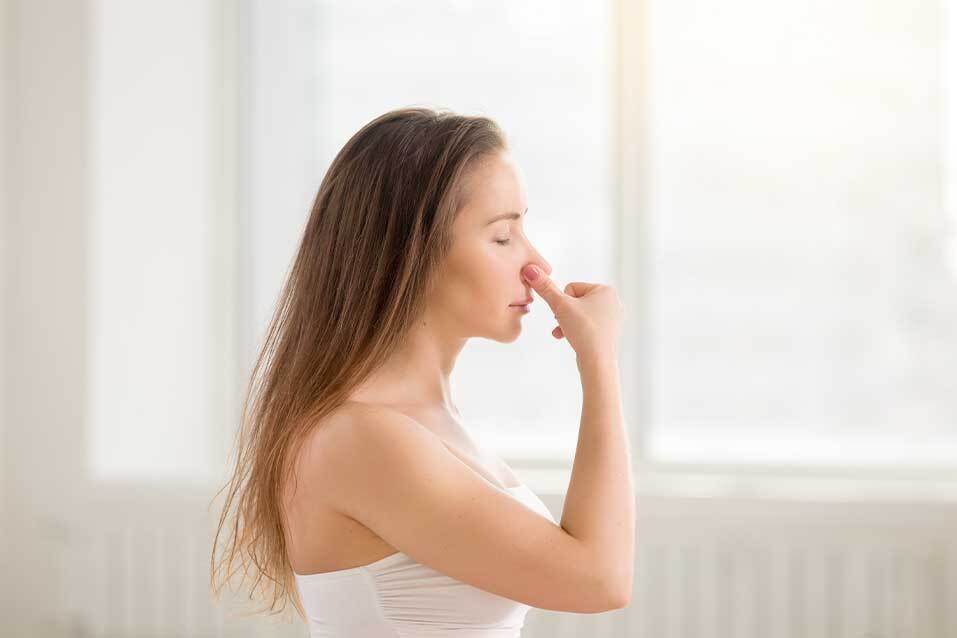
Breathing exercises are among the fastest ways to reduce anxiety symptoms. They regulate the autonomic nervous system and trigger the relaxation response.
Regular practice of breathing techniques—especially SKY Breath Meditation—enhances resilience, emotional regulation, and a sense of inner steadiness.
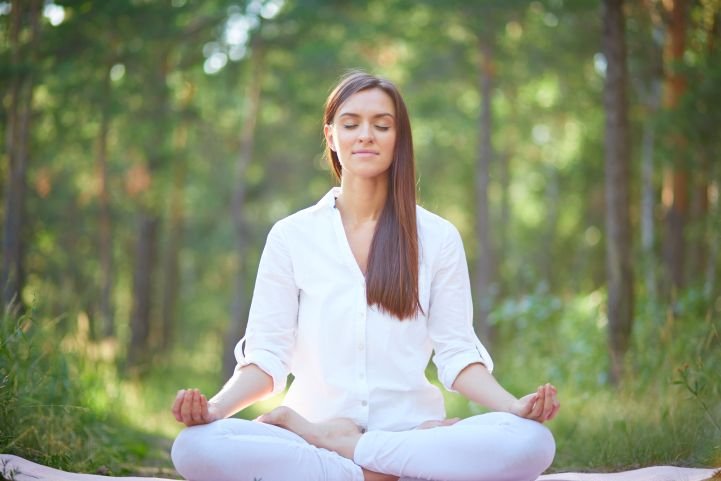
A consistent routine makes meditation more effective. Start small with 5–10 minutes daily and gradually extend the duration. Choose a quiet, comfortable space and a consistent time—morning and evening are ideal. It’s important to select a quiet place free from distractions to enhance your focus and relaxation.
Integrating meditation into daily rituals (e.g., before coffee, during breaks, or before bed) helps make the practice effortless. Over time, meditation becomes a stabilizing anchor for mental clarity and emotional balance. Consistent routines also help you become more self-aware of your thoughts and emotions.
Regular meditation can also improve problem-solving by enhancing your focus and perspective during stressful situations.
It’s completely normal to encounter challenges when starting a meditation practice, especially if you’re dealing with anxious thoughts or a wandering mind. Many people find it difficult to sit still, experience physical tension, or struggle to quiet anxiety-inducing thoughts. The key is to approach these obstacles with patience and self-compassion.
Begin with short meditation sessions—just a few minutes at a time—and allow yourself to build up gradually. If your mind wanders, gently bring your attention back to your breath or the focus of your meditation. Guided meditations can be especially helpful, providing structure and support as you practice. Incorporating gentle movement, like yoga or mindful walking, into your daily routine can also help release physical tension and prepare your body for stillness.
Remember, mindfulness means noticing when your mind wanders and returning to the present moment without judgment. Every meditation session is an opportunity to practice being kind to yourself, even when things don’t go perfectly. Over time, you’ll find it easier to manage anxiety and stay grounded during your meditations.
Meditation for inner peace invites you to let go of worry and connect with a deeper stillness within. By focusing on your breath or repeating a mantra, you can gradually quiet the mental noise that fuels anxiety.
Practicing mindfulness and self-compassion during meditation allows you to treat yourself gently—even when anxiety arises. This softens resistance and helps you experience tranquility independent of external conditions.
When anxiety spikes, simple techniques can provide immediate relief:
These relaxation techniques can also be practiced while waiting in a doctor’s office to help manage anxiety in stressful settings.
Incorporating SKY Breath Meditation or short guided meditations into your day can help calm anxiety swiftly by shifting your physiology from stress to relaxation within minutes.

Meditation doesn’t have to be limited to a formal session on a yoga mat—it can be woven into the fabric of your everyday life. Taking a few moments to focus on your breath or notice physical sensations during routine activities can help reduce stress and anxiety levels throughout the day. For example, you might practice mindfulness while washing dishes, walking, or waiting in line, simply by paying attention to the present moment and your breath.
Even a few deep breaths during a stressful situation can help calm your mind and lower anxiety. Regular meditation practice, whether it’s a dedicated meditation for anxiety or brief moments of mindfulness, supports your mental health and overall well-being. By making meditation a natural part of your daily routine, you’ll find it easier to manage anxiety and maintain a sense of calm, no matter what life brings.
Anxiety often interferes with restful sleep. Meditation can break this cycle by promoting relaxation and reducing nighttime rumination.
Even five minutes of meditation before bed—especially breath-based techniques—can prepare the body for deeper rest. SKY Breath Meditation practitioners frequently report improved sleep quality and reduced insomnia.
Combining meditation with good sleep hygiene (dim lights, consistent bedtime, no screens) enhances both relaxation and long-term mental health.
Meditation strengthens emotional regulation by increasing activity in brain regions associated with awareness and empathy while calming overactive stress circuits.
Through regular mindfulness and breath-based practice, emotions become easier to observe and manage rather than react to. This leads to improved relationships, focus, and self-confidence.
SKY Breath Meditation, in particular, has been found to stabilize emotional highs and lows, fostering equanimity and inner balance.

Building a meditation practice is a journey, and seeking support can make all the difference—especially if you’re managing anxiety disorders or other mental health conditions. Working with a healthcare professional or meditation teacher can provide personalized guidance and reassurance as you learn new meditation techniques. Joining a meditation group, either in person or online, offers a sense of community and shared motivation.
Guided meditations are another valuable resource, helping you stay focused and supported as you practice. Many apps and online programs offer mindfulness-based stress reduction, mantra meditation, and other evidence-based approaches to help manage anxiety symptoms and reduce stress. Research shows that regular meditation can lower anxiety levels and improve overall well-being, so don’t hesitate to reach out for help or explore new resources. With the right support, your meditation journey can become a powerful tool for managing anxiety and enhancing your mental health.
Meditation is a time-tested, scientifically supported way to manage anxiety and nurture emotional well-being. Whether you choose mindfulness, guided sessions, or breath-based techniques like SKY Breath Meditation, the key is consistency.
By dedicating just a few minutes each day, you can transform your relationship with anxiety, improve sleep and emotional balance, and experience greater peace of mind.
Begin today—your breath is always with you, and through it, calm and clarity await.
Find freedom from anxiety with the power of your own breath. Join an Art of Living Part 1 Course to learn SKY Breath Meditation workshop and other science-backed techniques to quiet the mind and relax deeply.