

Meditation
Discover how sleep affects inflammation, immunity, and stress—and how the Sleep & Anxiety Protocol supports deeper rest, emotional balance, and healing.

Updated on: 6th January 2026
Posted on: 20th November 2025
Sleep and inflammation are two of the most powerful forces shaping human health, longevity, and emotional well-being. They are also deeply intertwined. When sleep quality breaks down—whether due to stress, lifestyle, or medical conditions—risk factors such as poor sleep quality, short sleep duration, and long sleep duration come into play, leading to dysregulation of the immune system and increased inflammation. Over time, this “inflammation–sleep cycle” becomes self-perpetuating: poor sleep increases inflammation, and inflammation disrupts sleep.
This cycle helps explain why sleep disturbances are linked with such a wide range of chronic health problems, including chronic diseases that are influenced by ongoing inflammation:
And it works in the opposite direction as well: chronic inflammation—whether from illness, stress, or lifestyle—can impair sleep architecture, shorten sleep duration, increase nighttime awakenings, and disrupt circadian rhythms.
In recent decades, research has accelerated dramatically. Scientists now understand that inflammation doesn’t just affect the body; it alters brain activity related to arousal, threat detection, mood regulation, and circadian timing. Similarly, high-quality sleep doesn’t merely restore the mind—it actively downregulates inflammatory pathways, repairs tissue damage, supports metabolic function, and balances the stress-response system. Good sleep health is essential for preventing inflammation-related disorders and supporting overall well-being.
This article explores the science of how sleep and inflammation interact, how sleep disorders amplify inflammatory stress, and how tools like circadian alignment and mind-body practices—including the Art of Living Sleep & Anxiety Protocol—can help interrupt this cycle. The goal is simple: to give you a comprehensive understanding of how healing your sleep can help heal your body.

Sleep is not simply rest; it is the most effective and natural immunoregulatory intervention humans possess. During deep, slow-wave sleep, the body releases immune-supporting molecules and suppresses inflammatory signaling. Sleep also helps reduce cellular inflammation, lowering the activation of inflammatory responses at the cellular level. Research has demonstrated the effect of sleep on markers of inflammation, such as cytokines and CRP, showing that adequate sleep can decrease these indicators of immune activation. At the same time, it repairs tissues, modulates stress hormones, and rebalances the autonomic nervous system.
When sleep becomes fragmented or insufficient, all of these processes become compromised. Even a single night of poor sleep causes measurable shifts in inflammatory markers.
Research shows that partial or total sleep deprivation—including acute sleep deprivation, and prolonged sleep deprivation as studied conditions—increases levels of:
The effects of sleep deprivation, as demonstrated in experimental sleep deprivation studies, include significant increases in systemic inflammation. These studies show that sleep loss can elevate inflammatory markers and disrupt immune function.
Chronic sleep loss leads to persistent low-grade inflammation, also known as inflammaging, a major contributor to cardiovascular disease, metabolic syndrome, insulin resistance, and depression.
One night of sleep deprivation raises CRP levels by the following morning. After several nights of restricted sleep (a condition known as sleep restriction in experimental studies), inflammatory markers can remain elevated for days. Chronic insufficient sleep can lead to sustained inflammation and increase the risk of chronic diseases, while recovery sleep helps restore immune balance, reduce inflammation, and support overall health.
This pattern is especially problematic for people with high-stress lifestyles, shift workers, new parents, caregivers, students, and anyone living with chronic illness.
These changes don’t just make you tired—they raise long-term disease risk.

Sleep disorders are among the strongest predictors of chronic inflammation, with insufficient sleep also being a significant contributing factor. Sleep disorders are also associated with an increased risk of developing inflammatory diseases, including autoimmune, cardiovascular, metabolic, and neurodegenerative conditions. The most common conditions—insomnia, sleep apnea, restless legs syndrome, and circadian rhythm disorders—each activate inflammatory pathways through different mechanisms.
OSA is one of the most inflammatory sleep disorders because:
People with sleep apnea show consistently elevated CRP, IL-6, and TNF-alpha. They also face higher rates of:
Treatment with CPAP dramatically lowers inflammatory markers, demonstrating how tightly sleep quality and inflammation are linked.
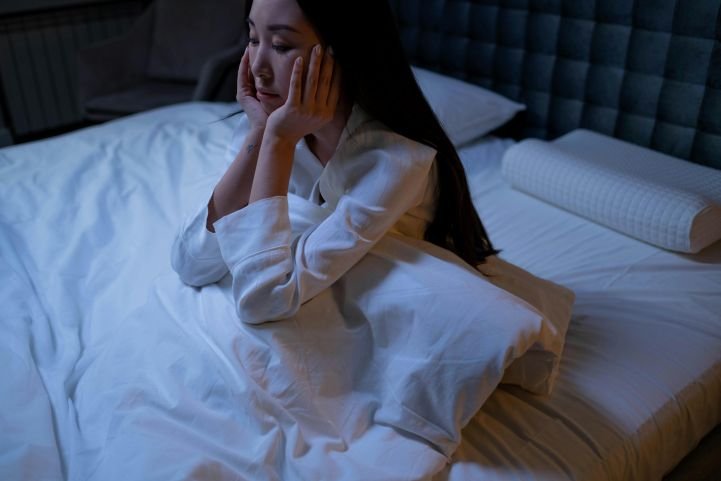
Insomnia is often misunderstood as simply difficulty falling asleep. However, sleep disturbance is a key feature, involving chronic or acute disruption of normal sleep patterns that can impact immune function and inflammation. Disturbed sleep, whether acute or chronic, can further exacerbate inflammatory processes, influencing both immune responses and overall health. In reality, it is a hyperarousal disorder, characterized by:
This hyperarousal state activates inflammatory pathways, increases sympathetic activity, and raises nighttime cortisol. People with chronic insomnia frequently show elevated CRP and IL-6 levels.
Insomnia also amplifies emotional reactivity, making stressors feel bigger. This increases inflammatory signaling in the brain, creating a vicious cycle: inflammation impairs sleep, and poor sleep increases anxiety and inflammation.
Findings from review and meta-analysis studies further support the connection between insomnia, heightened emotional reactivity, and increased inflammation.
These disorders fragment sleep and lead to chronic sleep loss. Research links RLS with:
Because RLS also disturbs deep sleep stages, the body loses access to the anti-inflammatory repair processes that occur during slow-wave sleep.
Sleep disorders and inflammation may also contribute to long COVID.

Circadian misalignment occurs when your internal clock is out of sync with the external world. This includes:
Circadian disruption increases inflammatory markers because:
Shift workers have higher rates of obesity, diabetes, heart disease, coronary heart disease, and autoimmune flare-ups—driven in part by chronic inflammation.
Sleep disturbance is a frequent and often overlooked companion of autoimmune diseases such as rheumatoid arthritis, lupus, and multiple sclerosis. Individuals living with these conditions are significantly more likely to experience sleep disturbances—including insomnia, sleep apnea, and restless leg syndrome—compared to the general population. These sleep disorders not only disrupt normal sleep patterns but also contribute to the overall burden of autoimmune diseases.
The relationship between sleep disturbance and autoimmune diseases is deeply interconnected and bidirectional. On one hand, sleep disturbances can intensify symptoms of autoimmune diseases, leading to increased pain, fatigue, and reduced quality of life. On the other hand, the chronic inflammation and discomfort associated with autoimmune diseases can fragment sleep, alter sleep architecture, and make it harder to achieve restorative rest. For example, people with rheumatoid arthritis often report difficulty falling asleep or staying asleep due to joint pain and stiffness, while those with sleep apnea may experience more frequent autoimmune flare-ups.
Addressing sleep disturbances in autoimmune diseases is crucial—not only for symptom management but also for supporting the body’s ability to heal and regulate immune function. Improving sleep patterns and treating underlying sleep disorders like sleep apnea can make a significant difference in the daily lives of those with autoimmune diseases.
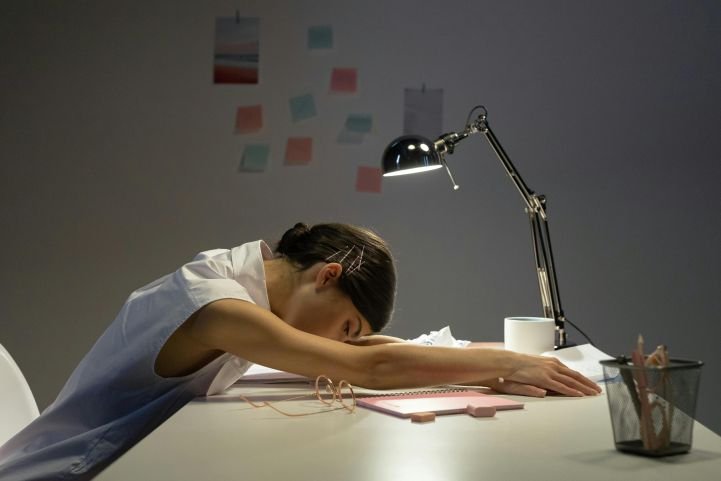
Circadian rhythms regulate nearly every biological process relevant to inflammation:
Sleep fragmentation, sleep disruption, and shorter sleep duration can disturb these circadian-regulated processes, leading to increased inflammation by activating immune cells and elevating inflammatory markers such as IL-6 and CRP.
Even irregular weekend sleep schedules (“social jet lag”) can increase inflammatory markers.
Chronic stress and anxiety activate the sympathetic nervous system, raising cortisol, heart rate, and inflammatory signaling. This is a major reason why people under stress often experience:
Stress also affects sleep-related brain regions, including the prefrontal cortex, hippocampus, and amygdala.
When the stress response remains active at night, the body loses the opportunity to shift into the restorative parasympathetic state needed for healing. Over time, this inhibits:
Tools that reduce autonomic arousal—such as slow breathing, rhythmic breathing, and mindfulness practices—are uniquely effective in breaking this cycle.
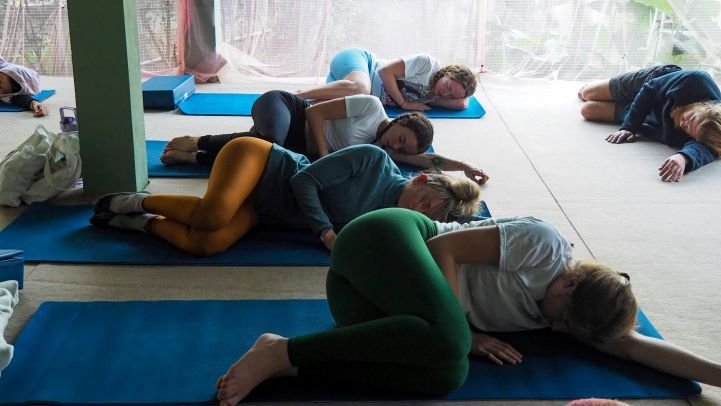
The Art of Living Sleep & Anxiety Protocol offers a research-informed set of breath-based and relaxation practices designed to calm the nervous system, reduce hyperarousal, and prepare the body for deeply restorative sleep.
While the full sequence is taught in the program, core components include:
This activates the vagus nerve, lowers heart rate, and decreases sympathetic activation. Benefits include:
Deep breathing also stabilizes the mind and helps break cycles of rumination.
Rhythmic breathing patterns help regulate the autonomic nervous system and reduce emotional turbulence. These patterns:
By balancing the nervous system, rhythmic breathwork makes it easier to fall asleep and stay asleep.
Lengthening the exhale activates “rest and digest” pathways. This technique:
It is particularly helpful for people whose minds feel overly active at night.
These body-based awareness practices help dissolve tension stored in:
Because chronic tension often acts as a form of silent stress, releasing these holding patterns improves sleep efficiency and reduces nighttime awakenings.
Meditation shifts the brain into alpha and theta states, promoting:
Research on Art of Living programs—including SKY Breath Meditation—shows reductions in anxiety, depression, and stress, all of which influence sleep.
Practitioners frequently report:
Because these practices reduce sympathetic activation and inflammation, they help interrupt the inflammation–sleep cycle at its root.
To interrupt the inflammation–sleep cycle, focus on four pillars:
These habits reduce inflammatory signaling and support immune resilience. Both poor subjective sleep quality and self-reported sleep disturbances have been linked to increased inflammation. Self-reported measures of sleep are important for identifying individuals at risk for inflammation-related health issues.
Circadian alignment is one of the strongest inflammation-lowering lifestyle interventions.
Using breathwork, meditation, and guided relaxation reduces sympathetic activation and inflammation. This is where the Art of Living Sleep & Anxiety Protocol provides a major advantage, as it directly targets the nervous system.
If insomnia, sleep apnea, or circadian rhythm disorders are present, they must be treated directly. Professional evaluation may be needed for:
Treating sleep disorders often results in dramatic reductions in inflammation.
The quality and quantity of sleep have a profound effect on the immune system, and growing research suggests that sleep deprivation and chronic sleep disturbances may increase the risk of developing autoimmune diseases. When sleep is consistently disrupted, the body’s immune response becomes imbalanced, leading to an overproduction of inflammatory cytokines such as IL-6 and tumor necrosis factor. These molecules are known to drive inflammation and play a key role in the development and progression of autoimmune diseases.
Chronic sleep deprivation not only raises levels of these inflammatory cytokines but also impairs the immune system’s ability to distinguish between healthy cells and potential threats. This can result in an overactive immune response, where the body mistakenly attacks its own tissues—a hallmark of autoimmune diseases. Studies have shown that individuals with persistent sleep disturbances are at higher risk for conditions like rheumatoid arthritis and other autoimmune disorders.
Prioritizing healthy sleep is therefore essential for maintaining immune balance and reducing the risk of autoimmune disease onset and flare-ups. By supporting restorative sleep and addressing sleep disturbances early, it is possible to help regulate inflammatory responses and protect long-term immune health.
The connection between sleep and inflammation is one of the most important discoveries in modern health science. Numerous systematic reviews and meta-analyses, as well as sleep med rev articles, have established the link between sleep, inflammation, and immune responses. Scientific literature demonstrates that sleep modulates immune responses and inflammation, with adequate sleep supporting immune cell function and reducing inflammatory markers. When sleep is whole, deep, and aligned with circadian rhythms, the immune system thrives, inflammation decreases, and the body repairs itself efficiently. When sleep deteriorates, inflammation rises, stress reactivity increases, and chronic disease risk grows.
But the inflammation–sleep cycle can be interrupted.
Through a combination of healthy sleep habits, circadian alignment, stress reduction, and science-backed breathwork practices like those taught in the Art of Living Sleep & Anxiety Protocol, individuals can restore the body’s natural rhythms and support long-term health.
Deep, rejuvenating sleep is not a luxury—it is a biological necessity and a profound act of self-care.
The Art of Living Sleep & Anxiety Protocol uses proven breathing and relaxation tools to reduce hyperarousal, balance the nervous system, and support healthy inflammatory pathways.
If you’ve struggled with nighttime anxiety or restless sleep, this is the reset your body has been waiting for.
👉 Experience it firsthand by joining The Sleep and Anxiety Protocol tonight.