

Beginners Guide
Explore practical mindfulness tools such as SKY Breath Meditation, gratitude, and mindful walking to create more peace and clarity each day. Read more!

Updated on: 5th February 2026
Posted on: 30th September 2025
Life today moves fast. Between constant notifications, overflowing schedules, and endless to-do lists, it’s easy to feel scattered or stressed. Mindfulness offers us a pause button—a way to step out of autopilot and return to the present moment.
At its core, mindfulness simply means paying attention, on purpose, in the present moment, without judgment. It’s about noticing what’s happening—your breath, your body, your thoughts, your surroundings—without getting swept away.
And the good news? You don’t need hours of meditation or a lakeside retreat to reap the benefits. Even five minutes of mindfulness a day can shift your mood, improve focus, and reduce stress.
In this article, we’ll explore a variety of mindfulness practices—from breath awareness to SKY Breath Meditation—so you can find the one that works best for you.

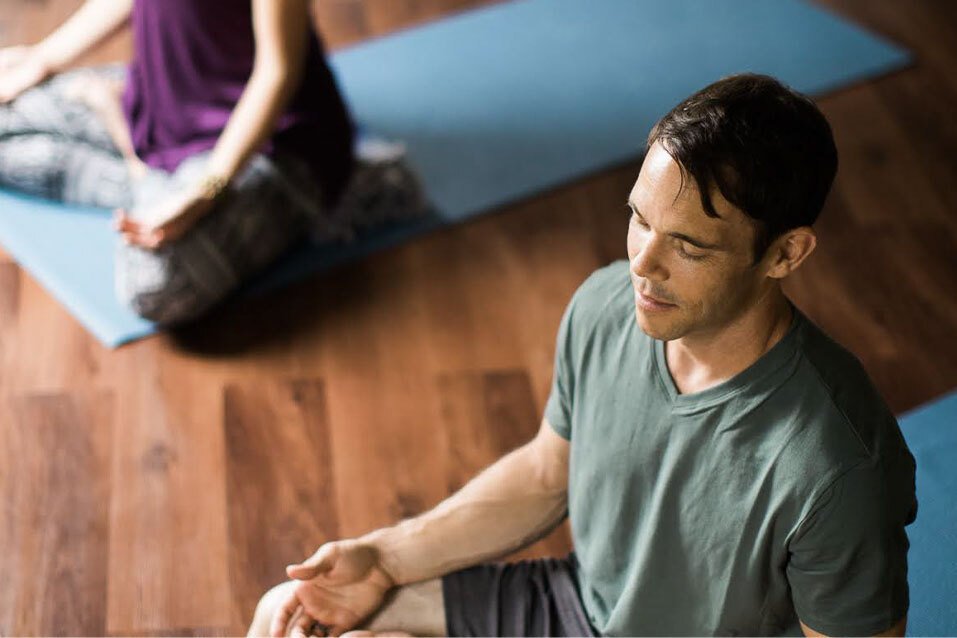
The breath is always with us. It’s the most natural anchor for mindfulness. By observing your breath, you shift your attention from worries about the past or future into the present moment.
You’ll likely feel calmer, even in such a short time.
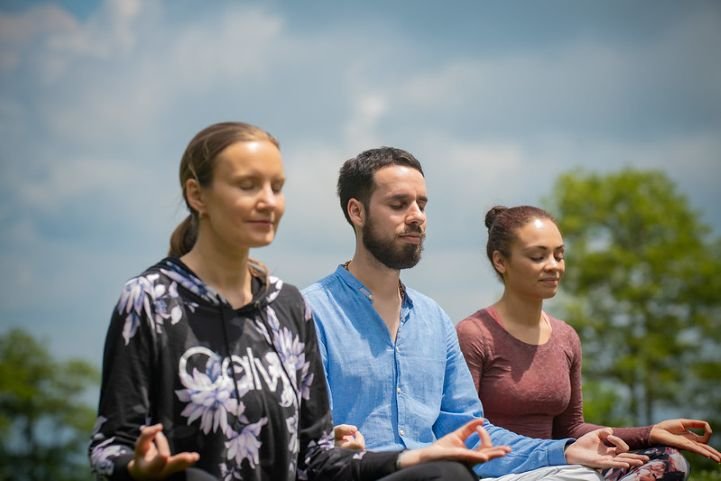
While basic breath awareness is powerful, structured breathing techniques can take mindfulness to the next level. One of the most researched and impactful practices today is SKY Breath Meditation (Sudarshan Kriya Yoga), taught by the Art of Living Foundation.
SKY involves a sequence of slow, medium, and fast-paced breathing patterns. This rhythmic cycle resets the nervous system, clears stress, and leaves you both calm and energized.
SKY Breath Meditation is only learned in the Art of Living Part 1 Course, but you can begin with a simple preparatory exercise:
Add ocean breath to this practice for even more mindfulness. This primes your system for the deeper SKY technique taught in the Art of Living Part 1 Course.
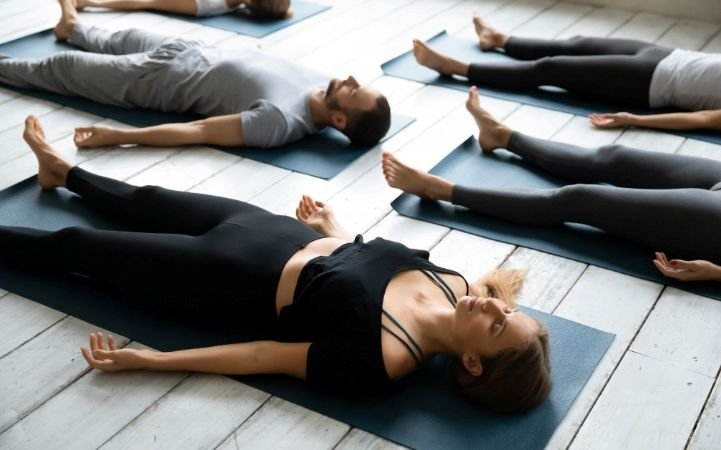
Stress often manifests in the body before the mind is aware of it. The body scan is a way to check in and release tension.
Even five minutes can leave you feeling grounded and relaxed.

Not all mindfulness happens sitting still. Walking meditation brings awareness to movement.
This is especially useful if you find sitting meditation challenging. For even more mindfulness, try walking barefoot on grass or sand.

In a world of rushed meals and distracted snacking, mindful eating invites us to slow down and savor.
Mindful eating enhances digestion and transforms mealtime into a nourishing experience for both body and mind.

Gratitude is mindfulness of the heart. It shifts focus from what’s missing to what’s already here.
Research shows gratitude improves mood, resilience, and even sleep quality.

Also known as Metta meditation, this practice nurtures empathy and connection.
Silently repeat to yourself:
Then extend these wishes to loved ones, acquaintances, and even people you find difficult.

Writing can be an act of mindfulness. Instead of analyzing, you simply notice what arises.
Journaling helps clarify emotions and declutter the mind.

Silence is more than the absence of noise—it is a presence in itself. In our modern world, where every spare moment seems filled with pings, podcasts, and playlists, true silence has become rare. Yet stepping into silence, even for a few minutes, can feel like a deep exhale for the nervous system.
You don’t need to wait for a retreat to experience the benefits of silence. Start by creating small moments of stillness each day:
These tiny shifts allow the mind to settle and reconnect with its natural rhythm of peace.
While everyday silence is powerful, immersing yourself in a structured silent retreat takes mindfulness to a deeper level. Retreats remove external distractions and create a container for inner exploration. Without the need to constantly speak, respond, or “perform,” you free up enormous mental energy. That space allows you to truly listen—to your breath, your thoughts, and even your heart.
Participants often describe the experience as both humbling and liberating. At first, the silence can feel unusual, even challenging. But as the days unfold, most people notice a profound stillness within, a clarity that everyday busyness often buries.
The Art of Living’s Silent Retreats go beyond simply “being quiet.” They combine guided practices like SKY Breath Meditation, meditation, yoga, and wisdom talks from Gurudev Sri Sri Ravi Shankar. This integration helps participants release deep-rooted stress while awakening creativity, joy, and self-awareness.
Scientific research has shown that silence and immersive retreats can:
A silent retreat is often described as a reset button for life. It allows you to step back from constant stimulation and rediscover a more centered, authentic version of yourself. Many return home feeling lighter, more present, and better equipped to handle daily challenges with grace.
If mindfulness practices are like drops of calm throughout the day, a silent retreat is like diving into the ocean of stillness.
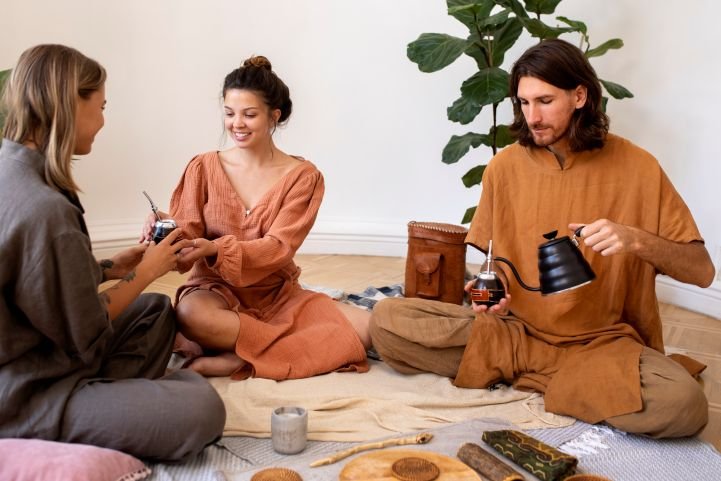
The real power of mindfulness comes when it moves off the cushion and into your daily routines:
Small shifts create big results.
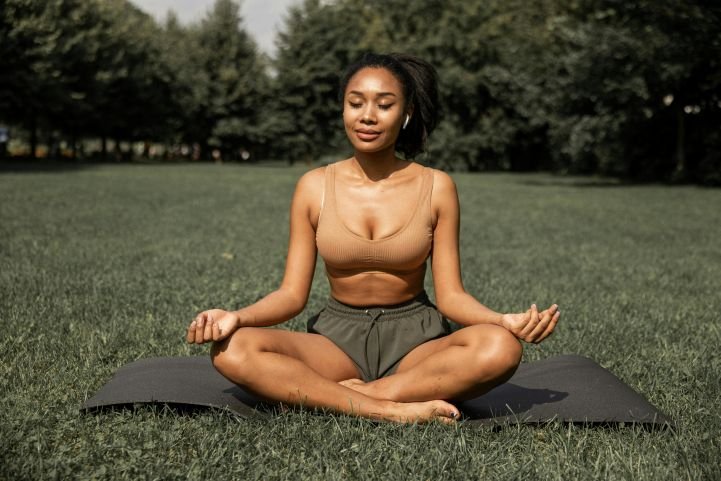
Mindfulness isn’t about becoming someone new—it’s about reconnecting with who you already are beneath the layers of stress, distraction, and busyness. It’s the art of pausing, breathing, and returning to the present moment, again and again.
As we’ve seen, mindfulness can take many forms. For some, it’s a gentle body scan before sleep. For others, it’s a mindful walk, a gratitude journal, or a loving-kindness meditation. And for many, practices like SKY Breath Meditation offer a powerful and scientifically backed way to reset the mind and body on a deeper level.
The beauty of mindfulness is its flexibility. You don’t need hours each day. Even five mindful minutes—while sipping tea, walking to your car, or closing your eyes before bed—can shift your entire perspective. Over time, these small practices build resilience, clarity, and joy.
The more we bring mindfulness into everyday life, the less we feel pushed and pulled by external pressures. Instead, we learn to respond with wisdom rather than react with stress. We begin to live more intentionally, with greater compassion for ourselves and others.
In a world filled with noise, mindfulness gives us the gift of silence. In times of uncertainty, it offers stability. And in the rush of daily life, it reminds us to slow down and take a breath.
The path is yours to choose—whether through SKY Breath Meditation, mindful eating, gratitude, or simple awareness of the breath. What matters most is that you begin. Because mindfulness isn’t just a practice—it’s a way of living with presence, balance, and peace.
If you feel called to explore mindfulness more deeply, the Art of Living Part 1 Course is a transformative way to begin. You’ll learn SKY Breath Meditation, time-tested mindfulness techniques, and practical wisdom to bring calm and clarity into every part of your life.
👉 Discover the Part 1 Course and experience for yourself how mindfulness can shift not only your days, but your entire outlook on life.

The easiest way to begin is with your breath. Just pause, close your eyes, and notice each inhale and exhale for one minute. This anchors your mind in the present moment. If you’d like more structure, guided practices such as SKY Breath Meditation can make it easier to develop consistency.
Traditional mindfulness often involves observing thoughts or sensations, while SKY Breath Meditation uses rhythmic breathing cycles to reset the nervous system. Research from Harvard, Yale, and Stanford shows SKY can quickly reduce stress, boost resilience, and improve emotional well-being.
Yes. Dozens of studies have confirmed that mindfulness reduces stress and anxiety by calming the amygdala (the brain’s stress center) and activating the relaxation response. SKY Breath Meditation, in particular, has been shown to lower cortisol and improve mood in as little as a few weeks of practice.
Not at all. Mindfulness can be practiced while walking, eating, journaling, or even doing chores. The key is to bring your full attention to the present moment. For example, mindful walking lets you experience meditation through movement.
Start small—just five minutes a day is enough. Pair mindfulness with daily routines, like breathing before your morning coffee or practicing gratitude before bed. Joining a structured program, like the Art of Living Part 1 Course, helps you stay committed and learn SKY Breath Meditation in a supportive setting.
5 Daily Rituals for Inner Peace in an American Household
Discover simple daily practices, including SKY Breath Meditation, to bring more calm, balance, and joy into your routine.
Silent Retreats: The Benefits of Silence in the Age of Noise
Explore how silent retreats help reset the mind, deepen meditation, and restore inner stillness.
How to Eat with More Prana: Essential Tips for Vitality and Balance
Learn how pranic foods and mindful eating can boost energy, clarity, and overall well-being.
Morning Yoga and Breathing Rituals for Busy Americans
Start your day with energizing yoga and breathing practices that enhance focus and reduce stress.