Meditation
Learn the causes, effects, and solutions to sleep deprivation. Discover how SKY Breath Meditation can help restore rest and enhance well-being.

Updated on: 2nd October 2025
Posted on: 2nd October 2025
In today’s fast-paced world, sleep often becomes the first sacrifice to busy schedules, constant notifications, and high stress. Sleep deprivation is a condition characterized by insufficient sleep duration or poor sleep quality, both of which interfere with alertness, performance, and health.
When lack of sleep becomes a chronic issue—routinely sleeping fewer hours than the body needs—it dramatically increases the risk of conditions such as hypertension, obesity, diabetes, weakened immunity, and cardiovascular disease.
Sleep disorders, including insomnia, narcolepsy, and obstructive sleep apnea, often fuel sleep deprivation. Yet, even without a diagnosed disorder, poor habits and stress can erode sleep quality.
Public health experts now consider sleep deprivation a global epidemic. Adults are recommended to get 7–9 hours of quality sleep each night; however, surveys consistently show that large populations fall short. Sleep medicine, a field that studies sleep disorders and treatments, emphasizes that restorative rest is not a luxury—it’s a vital foundation for human health.
While every case is unique, there are several common reasons why people fail to get enough sleep:
Inconsistent sleep schedules, irregular bedtimes, and poor routines set the stage for deprivation. Drinking coffee or alcohol late in the day, exercising intensely right before bed, or working late into the night disrupts natural rhythms.
Chronic pain, hormonal imbalances, asthma, and neurological conditions can all interfere with rest. Additionally, medications such as antidepressants, decongestants, and steroids may fragment sleep cycles.
Conditions such as obstructive sleep apnea, restless legs syndrome, and insomnia directly impair sleep duration and quality. Untreated, these disorders lead to long-term health risks and daytime fatigue.
Excessive screen time, especially before bed, delays melatonin release—the hormone responsible for inducing sleep. Blue light from phones and laptops “tricks” the brain into staying awake.
Mental and emotional stress is one of the biggest drivers of sleeplessness. Racing thoughts, overthinking, and physiological arousal make it challenging to fall asleep or stay asleep.

The amount of sleep required varies with age, lifestyle, and genetic factors; however, most adults function best with 7–9 hours of sleep per night. Children and teens require even more support to facilitate growth and development, while older adults may experience lighter, shorter cycles.
Quality matters as much as quantity. A person who sleeps eight hours but rarely enters deep sleep or REM (rapid eye movement) may still wake up groggy and unfocused. These restorative stages are crucial for brain function, memory consolidation, and physical recovery.
In short: prioritizing sleep is not indulgent—it’s preventive healthcare.

Sleep deprivation impacts nearly every system of the body. What begins as a single restless night can snowball into long-term dysfunction when poor sleep becomes habitual. Below are the key areas affected:
✨ From an Art of Living perspective, these effects highlight why practices like SKY Breath Meditation matter: by calming the nervous system, reducing stress hormones, and promoting deep rest, SKY directly counteracts many of the damaging pathways triggered by sleep loss.
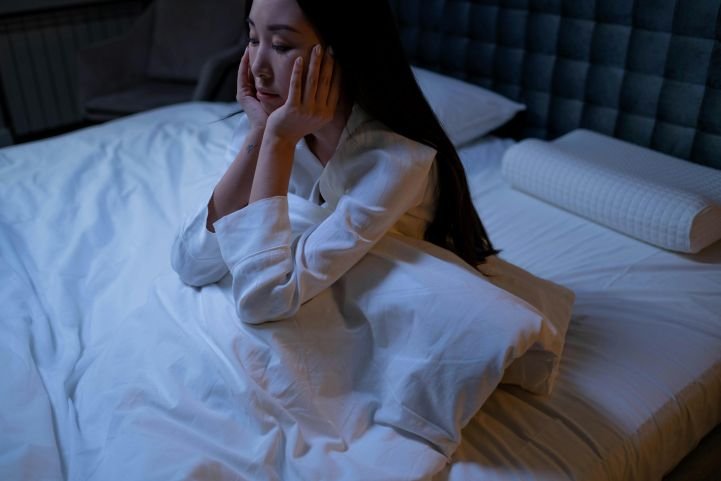
The central nervous system (CNS) is one of the most profoundly affected systems.
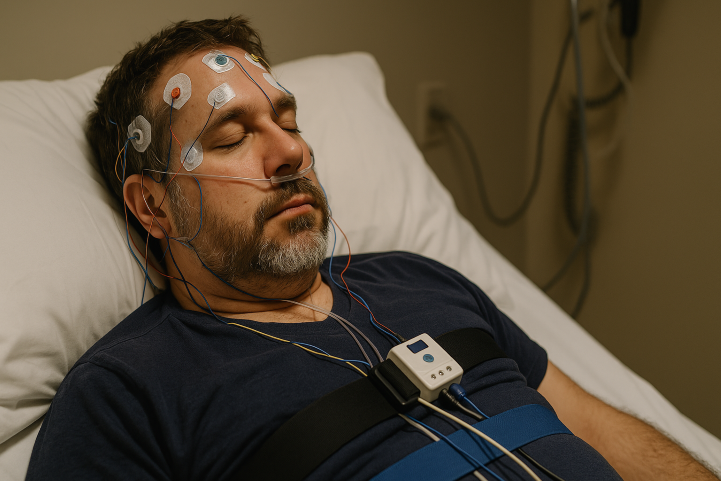
Diagnosis typically involves a combination of observation, self-reporting, and clinical testing:
Sleep specialists often combine these tools to create a clear picture and personalized treatment plan.

The good news is that sleep deprivation, while serious, is highly treatable. By addressing the root causes and making intentional changes, you can restore balance, improve sleep quality, and protect long-term health.
Sleep hygiene refers to daily habits and environmental factors that influence the quality of your rest.
When sleep deprivation stems from an underlying disorder, medical intervention may be required.
CBT-I is considered the gold standard for chronic insomnia. It addresses unhelpful thought patterns and behaviors that perpetuate sleeplessness. Techniques include:
Holistic approaches work by reducing the stress and over-stimulation that often drive sleep problems.
Among natural approaches, SKY Breath Meditation (Sudarshan Kriya Yoga) has emerged as a highly effective practice for sleep recovery.
Preventing sleep deprivation requires prioritizing rest as part of a healthy lifestyle
✨ Art of Living perspective: Prevention is not about rigid discipline but about honoring the body’s natural rhythms. By weaving practices like SKY, yoga, and conscious lifestyle choices into daily life, sleep becomes a nourishing ally rather than a constant struggle.

While lifestyle changes and medical interventions are critical in treating sleep deprivation, many people continue to struggle with stress, racing thoughts, or irregular sleep cycles. This is where SKY Breath Meditation (Sudarshan Kriya Yoga) offers a powerful and unique solution.
SKY is a rhythmic breathing practice taught through the Art of Living Foundation and validated by over 100 independent studies worldwide. Unlike simple deep breathing, SKY uses specific cyclical breathing patterns that regulate the nervous system and restore balance.
These findings demonstrate that SKY not only improves sleep indirectly through stress reduction but also directly enhances the body’s ability to access deeper stages of rest.
From Gurudev Sri Sri Ravi Shankar’s wisdom: “When the mind is restless, sleep cannot come. Through the breath, the mind becomes light, free, and naturally at ease. Then deep rest follows.” SKY is not just a technique — it is a path to harmonize body, mind, and spirit, allowing sleep to return as a natural state rather than something to struggle for.
✨ Bottom line: SKY Breath Meditation is more than a relaxation tool — it is a scientifically validated method to reset the nervous system, reduce anxiety, and restore natural sleep rhythms. For those suffering from sleep deprivation, SKY offers a sustainable, drug-free path to long-term recovery.

Sleep deprivation is more than just feeling tired — it is a silent disruptor of health, mood, productivity, and long-term well-being. Chronic sleep deprivation affects the brain, heart, metabolism, and immunity, increasing vulnerability to serious health conditions and reducing overall quality of life.
Yet the story doesn’t have to end with exhaustion. By identifying the causes of sleep loss, practicing strong sleep hygiene, seeking medical support when necessary, and integrating holistic mind-body approaches, recovery is possible.
Among these approaches, SKY Breath Meditation stands out as a transformative solution. More than just a stress-relief practice, SKY retrains the nervous system, quiets the overactive mind, and restores balance to the body’s rhythms. Scientific research from Yale, Harvard, and Stanford confirms what practitioners experience: better sleep quality, improved resilience, and a renewed sense of energy and focus.
In today’s culture of busyness and burnout, reclaiming your sleep is not an indulgence — it is an act of self-care, strength, and wisdom. Deep, restorative rest allows you to show up fully for yourself, your loved ones, and your life’s purpose.

If sleepless nights and restless days have been wearing you down, it’s time to take a conscious step toward healing. While the Art of Living Part 1 Course offers you the opportunity to learn SKY Breath Meditation, a scientifically validated technique that has helped millions worldwide reduce stress and sleep more deeply, the Art of Living recently added a special program specifically designed to resolve sleep issues—called the Sleep and Anxiety Protocol.
🌙The Sleep and Anxiety Protocol isn’t another sleep hack or Band-Aid solution. This is a nervous system retraining using 5,000-year-old breathwork techniques, now validated by leading medical schools and top-tier universities.
👉Stop treating symptoms. Fix the root cause: your dysregulated nervous system, which is stuck in fight-or-flight mode. Register for the Sleep and Anxiety Protocol today and start transforming your sleep dynamic to live a more vibrant life.
Meditation and Aging: Benefits for Mind and Body Longevity
SKY Breath Meditation and Emotional Resilience: Help is Here
Q: How many hours of sleep are truly enough?
A: Most adults need 7–9 hours per night. Less than six hours over a period of time increases significant health risks.
Q: Can short naps replace full sleep?
A: Naps provide temporary relief but cannot replace complete restorative sleep cycles.
Q: How fast does sleep deprivation affect health?
A: Even one night impairs focus and mood. Chronic deprivation over weeks raises long-term health risks.
Q: How does SKY Breath Meditation improve sleep?
A: SKY calms the mind, reduces cortisol, and supports natural circadian rhythms, making it easier to fall asleep and stay asleep.
Q: When should I see a doctor for sleep issues?
A: If problems persist more than two weeks, or if symptoms include loud snoring, gasping, or severe fatigue, consult a sleep specialist.