Spirituality
Discover the meaning of Sadhana and its significance in your spiritual journey. Explore practical insights to enhance your practice. Read the article now!

Updated on: 29th October 2025
Posted on: 27th October 2025
Sadhana, a Sanskrit word meaning means of accomplishing, refers to the daily spiritual practice that cultivates self-awareness, discipline, and connection to one’s higher consciousness. In yogic philosophy, it is the bridge between the individual and the infinite — the consistent, mindful effort that transforms everyday life into a path of awakening.
Spiritual growth is not achieved through chance or belief alone; it arises through regular, intentional practice. Sadhana offers a structured way to nurture that growth by integrating body, breath, and mind into harmony. When practiced with sincerity, it becomes the quiet foundation upon which a peaceful, meaningful life is built.
Through sadhana, we begin to experience that the divine is not somewhere far away, but ever-present within us. Each breath, each movement, and each moment of awareness becomes an offering — a reminder that spirituality is not separate from daily life, but the essence that gives it meaning.
Over time, this daily discipline fosters profound transformation. It softens the rough edges of the ego, deepens compassion, and brings clarity to thought and purpose. By committing to regular spiritual practice, individuals cultivate harmony, intimacy with their inner self, and genuine respect for life in all its forms.
Spiritual growth, however, is not a single destination. It is a lifelong journey — a continuous process of remembering who we truly are beyond our fears, habits, and limitations. Sadhana gives that journey structure, rhythm, and grace.

At its core, sadhana is self-effort — the disciplined, daily commitment to align one’s thoughts, emotions, and actions with the highest truth. It represents the art of surrendering the small self, or ego, to something greater — the universal consciousness, often called Brahman, the Self, or pure awareness.
In ancient yogic traditions, sadhana is considered the heart of spiritual evolution. It includes a spectrum of practices designed to purify the body, calm the mind, and awaken inner stillness. These may include asana (yoga postures), pranayama (breathing techniques), meditation, chanting, and selfless service (seva). Each element of sadhana works synergistically to support physical vitality, emotional balance, and mental clarity.
The true aim of sadhana is self-realization — the direct experience of the divine nature within oneself. This realization cannot be attained through intellectual study alone; it arises through consistent, experiential practice that refines one’s awareness.
When practiced regularly, sadhana helps dissolve patterns of restlessness, fear, and distraction. The nervous system begins to settle, the mind becomes quieter, and the heart opens to greater love and understanding. This creates space for intuition, creativity, and inner wisdom to flow naturally.
The scriptures describe sadhana as tapas — the inner fire of discipline that purifies and illuminates. Like the steady flame of a lamp in still air, a devoted practice keeps the light of awareness constant, regardless of external conditions.
In this way, sadhana becomes more than a set of rituals; it becomes a way of life — a continuous remembrance of our spiritual essence amidst all actions and experiences.

Establishing a spiritual routine is one of the most transformative choices an individual can make. Just as physical exercise strengthens the body, regular sadhana strengthens the mind and spirit. The simple act of sitting in silence, observing the breath, or chanting a mantra can anchor the entire day in peace and purpose.
Morning is considered the most auspicious time for spiritual practice, known in Sanskrit as Brahma Muhurta — roughly one and a half hours before sunrise. During this period, the atmosphere is still, the mind is fresh, and nature’s energy supports introspection. Practicing meditation or yoga at this time can set a calm, focused tone for the rest of the day.
A regular spiritual routine also creates psychological rhythm — training the brain to associate certain times with relaxation, focus, and joy. Neuroscience now confirms that regular meditation and breathwork enhance neuroplasticity, strengthen emotional regulation, and reduce activity in stress-related brain regions.
Sadhana nurtures emotional resilience. Through steady practice, one learns to observe thoughts and feelings without getting caught in them. This detachment doesn’t create coldness — it fosters emotional intelligence and compassion. Individuals become less reactive and more responsive, leading to healthier relationships and a deeper sense of peace.
On a physiological level, practices such as pranayama and meditation regulate the autonomic nervous system, lower cortisol levels, and improve heart rate variability (HRV) — all indicators of reduced stress and enhanced vitality. The body becomes more balanced, sleep improves, and the immune system strengthens.
The cumulative result of these benefits is a more centered, purposeful life. Regular spiritual practice doesn’t remove challenges — it transforms how we meet them, turning adversity into opportunity for growth.

Discipline, or abhyasa, is the sacred thread that holds sadhana together. It is easy to meditate when we feel inspired or attend a yoga class when motivated. True spiritual strength, however, develops when we continue our practice even when enthusiasm fades or life feels busy.
Self-discipline in sadhana is not about rigid control but about devotion and self-respect. It is a gentle yet firm reminder to prioritize what truly matters — the connection to one’s inner peace. Over time, the practice itself becomes its own reward, a wellspring of energy and joy.
At first, the mind may resist consistency. It might label the practice as tedious or unnecessary. But with patience and perseverance, resistance softens. Each day of showing up — even for a few minutes — builds inner momentum. Eventually, practice becomes a natural part of life, like eating or sleeping.
Paradoxically, discipline leads to freedom. By creating structure for spiritual practice, we gain greater control over our time, attention, and energy. We become less driven by impulses and more guided by purpose. This freedom allows us to live authentically, aligning our actions with our highest values.
Every sadhana session becomes a mirror, reflecting our habits, emotions, and thought patterns. With honesty and compassion, we can use this mirror to refine ourselves. Each act of discipline — rising early, focusing the mind, breathing consciously — is a small step toward mastery of the self.

True spirituality is not confined to moments of meditation; it is woven into the fabric of daily living. Every action, no matter how small, can become sacred when performed with awareness.
You can bring the spirit of sadhana into ordinary moments: walking mindfully, cooking with gratitude, listening deeply, or pausing for a few conscious breaths during work. This is living meditation — the art of carrying inner stillness into outer activity.
Sadhana also deepens our relationships with others. When the mind is calm and the heart open, communication becomes more compassionate and understanding. Relationships naturally become more harmonious. Respect for oneself extends outward, fostering kindness and mutual respect.
Incorporating spirituality doesn’t mean withdrawing from the world; it means engaging more fully with it — but from a place of inner balance. Acts of service, mindfulness, and gratitude become natural expressions of sadhana. Over time, life itself becomes the practice — every breath, every smile, every act of care a reflection of the divine within.
By living this way, we begin to experience that there is no real separation between the sacred and the ordinary. Both are expressions of the same consciousness.

There are countless ways to walk the spiritual path. Each tradition offers unique methods to cultivate awareness, devotion, and liberation. What matters most is not the form, but the sincerity and consistency of practice.
The Bhagavad Gita outlines four primary paths of yoga, each serving a different temperament:
Each path can serve as a sadhana or be combined for holistic growth.
In contemporary times, people explore a variety of spiritual practices — from mindfulness and yoga to breathwork and mantra chanting. These tools are not about belonging to a belief system; they’re about discovering direct experience — feeling peace, awareness, and joy within oneself.
Exploring multiple paths can reveal the universality of spiritual truths: compassion, stillness, love, and unity. As Art of Living founder, Gurudev Sri Sri Ravi Shankar teaches, “Truth is not an object to be found somewhere else. It is that which is already here — you simply need to quiet the mind to see it.”
Ultimately, every path leads to the same summit — the experience of oneness and liberation from suffering.
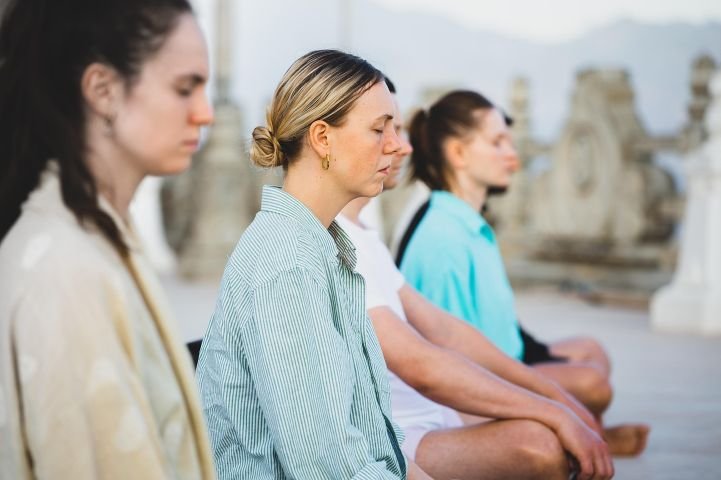
The Art of Living Foundation offers a modern yet deeply authentic approach to sadhana, integrating ancient wisdom with practical tools for everyday life. Its teachings emphasize direct experience — inviting individuals to explore inner peace through breath, meditation, and mindful living.
SKY Breath Meditation, or Sudarshan Kriya Yoga, is a powerful rhythmic breathing technique that balances the nervous system and harmonizes the body and mind. Backed by over 100 independent scientific studies from institutions like Harvard, Yale, and Stanford, SKY has been shown to significantly reduce stress, anxiety, and depression while enhancing emotional resilience and well-being.
Through gentle cycles of natural breath rhythms, practitioners release deep-seated stress and experience profound states of calm and clarity. SKY forms the cornerstone of daily sadhana for millions around the world — a tool to center oneself amidst the pace of modern life.
Sahaj Samadhi is a mantra-based meditation technique taught by the Art of Living that allows the mind to settle into stillness effortlessly. The word Sahaj means “natural,” and Samadhi means “a state of deep rest and awareness.” This effortless meditation dissolves fatigue and revitalizes the nervous system, bringing serenity and joy to daily life.
Practiced regularly, it enhances creativity, intuition, and mental clarity — supporting the inner stillness cultivated through SKY Breath Meditation.
Padma Sadhana, meaning “lotus practice,” is a graceful sequence of yoga postures and breathing techniques that prepares the body and mind for deep meditation. The practice begins with grounding postures and moves through heart-opening asanas, pranayama, and meditation. It integrates strength, flexibility, and awareness — nurturing balance and harmony at every level of being.
Together, these practices form a comprehensive sadhana framework — one that strengthens the body, soothes the mind, and awakens the spirit.

Sadhana is not merely a practice — it is a way of life, a commitment to living consciously and aligning with the deepest truth within. It is the art of transforming every moment into an act of mindfulness and devotion.
Through sadhana, we learn that peace is not something to be achieved; it is our natural state, revealed when the mind becomes quiet and the heart expands. The journey requires patience, consistency, and courage — but its rewards are immeasurable: inner strength, clarity, compassion, and joy that no external condition can diminish.
Whether you begin with five minutes of meditation, a few rounds of conscious breathing, or a full yoga and breathwork practice, the key is consistency. As Gurudev Sri Sri Ravi Shankar reminds us, “Sadhana gives you the strength to smile no matter what happens in life.”
Each day of practice deepens your connection to the present moment and to the source of life itself. Step by step, you begin to experience what the sages have always known: that true happiness and freedom are found within.
Learn SKY on the Art of Living Part 1 Course and begin your journey of transformation through the daily practice of sadhana.