Beginners Guide
Explore how mantras enhance meditation with practical techniques and benefits. Deepen your practice and experience greater mindfulness—read the article now.

Updated on: 19th September 2025
Posted on: 17th September 2025
Mantra meditation is one of the most accessible and transformative meditation techniques available today. At its core, it involves repeating a sacred word, phrase, or sound—known as a mantra—to quiet the mind and anchor attention. This simple yet profound practice helps cultivate relaxation, focus, and inner peace.
The word mantra originates from Sanskrit: “man” meaning “mind” and “tra” meaning “tool” or “instrument.” A mantra is therefore an instrument of the mind, designed to release mental chatter and guide awareness toward stillness. Across cultures and spiritual traditions, mantras have been used for thousands of years to deepen meditation and promote spiritual growth.
When incorporated into daily practice, mantra meditation can bring numerous benefits, including reduced stress, improved emotional balance, heightened clarity, and a deeper connection to your inner self. Over time, the repetition of a mantra becomes not just a meditation technique but a pathway to self-awareness and transformation.
Getting started is easy: find a quiet space, choose a mantra that resonates with you, and dedicate just a few minutes each day. With regular practice, even short sessions can evolve into a deeply rewarding spiritual discipline.
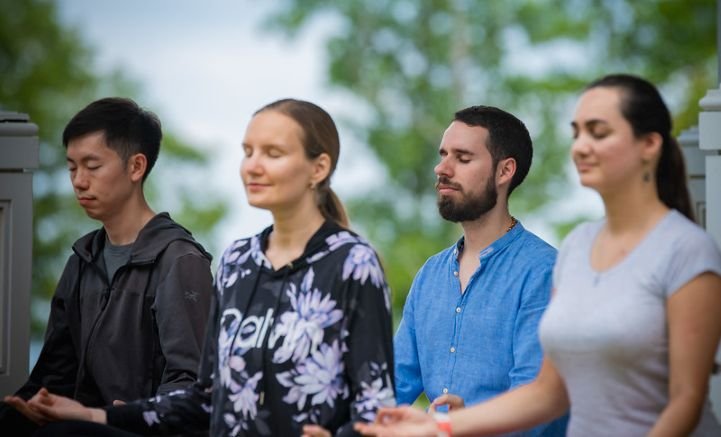
A mantra is much more than a word or phrase—it is a sound vibration infused with intention that can shift consciousness, calm the mind, and awaken spiritual awareness. The word comes from Sanskrit: ‘man’, meaning ‘mind’, and ‘tra’, meaning “instrument” or “vehicle.” Thus, a mantra is literally an instrument of the mind, a tool to transcend ordinary thought and open the door to deeper states of meditation.
Mantras have been revered for thousands of years across diverse cultures and faiths. While they are most closely associated with Eastern traditions, the underlying principle—using sound and repetition as a spiritual tool—appears universally.
Across cultures, the repetition of sacred words serves a common purpose: to dissolve distractions, purify the heart, and awaken a deeper awareness of the divine or the self.
In the Art of Living, we offer a personalized mantra-based meditation technique and teach other ways to utilize ancient mantras through singing and chanting techniques. Keep reading to learn more.
Ancient traditions described mantras as carriers of spiritual energy. Today, science is beginning to catch up:
This intersection of ancient wisdom and modern neuroscience validates why mantra meditation is so effective for cultivating calm and focus.
Mantras come in many forms, each with a distinct purpose:
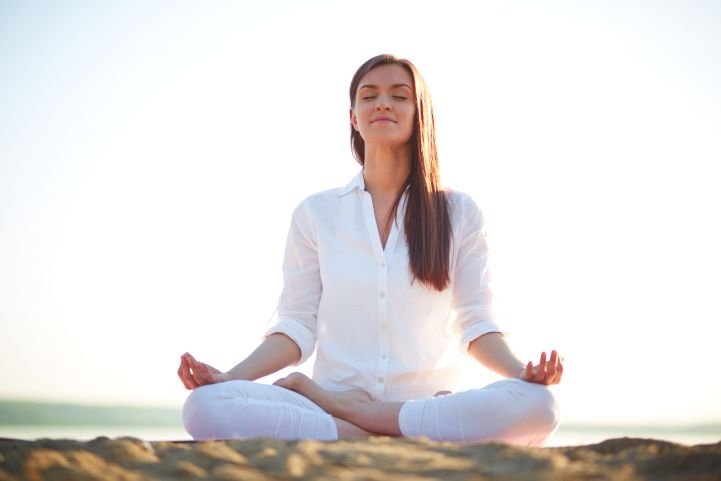
A mantra’s vibration is powerful in itself, but when combined with clear intention, it becomes transformative. For example, repeating “Om” aloud while focusing on the breath can awaken a sense of unity with the universe. Gurudev Sri Sri Ravi Shankar, founder of the Art of Living, says that intention with attention brings about manifestation. This formula facilitates more profound meditative experiences.
In recent years, mantras have gained popularity outside of strictly spiritual contexts. Psychologists and wellness practitioners recognize them as tools for mental training and emotional resilience.
This blending of ancient mantra practice with modern mindfulness demonstrates the timeless and adaptable nature of the practice.
The “right” mantra is the one that feels authentic to you. Some may feel drawn to the resonance of Sanskrit mantras, appreciating their ancient lineage. Others may prefer affirmations in their own language that speak directly to personal growth.
For beginners, start with simple, universal mantras like “Om” or “Om Namah Shivaya.” Over time, as your meditation deepens, you may naturally feel guided toward mantras that support your unique journey.
Ultimately, whether derived from tradition or modern psychology, a mantra is most effective when practiced with sincerity, intention, and consistency.
Despite their ancient roots and proven benefits, several misconceptions prevent people from exploring mantra meditation. Let’s clear up a few of the most common myths:

The practice of mantra meditation offers benefits that extend far beyond the meditation cushion. By combining sound, vibration, repetition, and intention, mantras influence both the mind-body system and the deeper layers of consciousness. Whether you approach it for spiritual, psychological, or practical reasons, the rewards of mantra meditation are wide-ranging and profound.
One of the most immediate effects of mantra meditation is its ability to soothe the nervous system. Repeating a calming sound or phrase slows down the breath and signals the body to shift into the parasympathetic state—the “rest and digest” mode. Studies have shown that mantra repetition reduces cortisol levels, lowers blood pressure, and eases symptoms of anxiety. This makes it a natural antidote to the fast-paced, overstimulated lifestyle many people face today.
The mind has a natural tendency to wander, often spiraling into overthinking or distraction. Mantras act like an anchor, gently pulling the mind back to a single point of focus. Over time, this practice strengthens concentration, memory, and cognitive performance. Many professionals, students, and creatives use mantras to sharpen their attention before exams, important projects, or performances.
Mantra meditation promotes emotional stability by calming the amygdala, the part of the brain responsible for regulating stress and emotional reactivity. Regular practice can increase positive emotions, such as compassion, empathy, and gratitude, while reducing negative states, including irritability and frustration. Chanting uplifting mantras or affirmations can also boost serotonin and dopamine, the “feel-good” neurotransmitters, enhancing overall mood.
Insomnia and restless nights are often linked to racing thoughts and unresolved stress. By calming mental chatter, mantra meditation prepares the mind for deep, restorative sleep. Many practitioners find that repeating a soothing mantra before bedtime—either silently or softly aloud—helps them fall asleep more easily and experience fewer nighttime awakenings.
Every repetition of a mantra is an invitation to return to the present moment. This repeated redirection cultivates mindfulness, allowing practitioners to become more aware of their thoughts, emotions, and behaviors. With greater self-awareness, it becomes easier to respond to life’s challenges with clarity rather than reacting impulsively.
Specific mantras, such as “Om Mani Padme Hum” or affirmational mantras like “May I be kind, may others be happy,” are specifically designed to awaken compassion. As the heart softens, practitioners often feel more connected to themselves, to others, and to the larger flow of life. This sense of interconnection fosters healthier relationships and a more generous outlook.
For those on a spiritual path, mantra meditation can be a gateway to higher states of consciousness. The vibrational quality of sacred mantras is said to align the practitioner with universal energies, dissolving ego-driven thought patterns and awakening a deeper sense of peace and unity. Many describe mantra practice as a bridge between the finite self and the infinite.
Life’s challenges—whether work stress, personal struggles, or health issues—can feel overwhelming. Mantra meditation strengthens inner resilience, giving practitioners a steady center to return to in times of difficulty. Over time, this builds emotional endurance and the ability to navigate adversity with calm confidence.
Many beginners struggle with meditation because their minds feel too busy or restless. Mantras provide a simple structure that makes meditation more accessible. Instead of fighting thoughts, the practitioner has a gentle focus point that unlocks the door to deeper experiences. This makes it easier to establish a consistent practice without frustration.
The cumulative effects of mantra meditation—reduced stress, improved sleep, better emotional regulation, and stronger immunity—translate into lasting health benefits. Studies suggest that regular mantra practice can reduce risk factors for heart disease, strengthen the immune system, and support overall well-being.
✨ In short, mantra meditation is not only a spiritual practice but also a holistic tool for health, clarity, and personal growth. Its benefits ripple outward—helping individuals feel calmer, think more clearly, and live more connected lives.

Setting the proper foundation for mantra meditation ensures that your practice feels natural, effective, and enjoyable. While mantras can technically be repeated at any time and in any place, creating a supportive environment and mindset will deepen your experience.
Find a location where you won’t be disturbed. This could be a dedicated meditation corner, a quiet spot in your bedroom, or even a serene outdoor space. Many practitioners like to set up a meditation altar with candles, flowers, or meaningful objects to create a calming atmosphere.
Comfort is key: if your body feels tense, your mind will be distracted. Adding some simple yoga stretches can also help you feel more comfortable sitting for meditation.
The mantra you choose should align with your intention. If you’re seeking calm, a simple mantra like “Om Namah Shivaya” may be perfect. If you’re cultivating compassion, “Om Mani Padme Hum” may feel more fitting. Beginners often start with universal mantras like “Om” because of their powerful yet simple vibration. Note that “Om” should be said out loud, rather than used as an internal mantra.
Having the guidance of an Art of Living-trained meditation teacher can simplify this process.
If you want to experiment with an affirmational mantra, try one of these:
Before repeating your mantra, spend a minute or two centering yourself with the breath:
Other simple breathwork exercises include alternate nostril breathing (Nadi Shodana) and ocean breathing (Ujjayi). This creates a smooth transition from everyday busyness into meditation.
Now, gently introduce the mantra:
If chanting aloud, focus on the vibration in your chest and body. If repeating silently, say the mantra and let go, allowing the vibration to expand from within. After a period of silence, when thoughts come back, repeat the mantra and let it go.
A mala is a string of 108 beads traditionally used in mantra meditation. Each bead marks one repetition of the mantra, helping you stay focused without counting. Holding a mala can also bring a tactile, grounding element to the practice. This method is called “japa.” Often, mantras like “Om Namah Shivaya” or “Om Mani Padme Hum” use this method.
It’s natural for the mind to wander. When thoughts arise, simply notice them without judgment and gently return to the mantra. This act of returning is part of the meditation itself—it builds mindfulness and patience.
For beginners, even 5–10 minutes can be transformative. Over time, you can gradually increase your sessions to 20 minutes or longer. Consistency matters more than duration—a few minutes daily is more effective than an hour once a week.
When you finish, take a few breaths in silence. Notice how you feel—calmer, lighter, or more centered. Some people like to close with a brief reflection or gratitude statement, such as, “I carry this peace with me into my day.”
To deepen your practice, you may experiment with:
By preparing with intention, mantra meditation becomes not just a routine but a ritual of self-care and inner alignment. The more consistently you create this sacred space, the more natural and rewarding your practice will become.
Mantra meditation is more than a technique—it is a pathway to transformation. By anchoring the mind in sound and intention, mantras create space for clarity, peace, and self-discovery. Over time, this practice becomes a steady companion, helping you:
The beauty of mantra meditation lies in its simplicity. A few moments each day, repeated consistently, can ripple outward—shaping how you respond to challenges, how you relate to others, and how you experience life itself. Whether you choose a traditional Sanskrit mantra, a modern affirmation, or a sound that resonates in your heart, the practice adapts to your unique journey.
Ultimately, mantras remind us that peace and wisdom are not distant goals to chase—they already exist within us, waiting to be uncovered. With each repetition, you polish the mirror of the mind, allowing your true self to shine more brightly.

If you’re inspired to deepen your meditation journey beyond the basics of mantra repetition, the Art of Living’s Sahaj Samadhi Meditation Program offers the perfect next step.
In this program, you’ll:
Unlike guided apps or generic techniques, Sahaj Samadhi provides a direct transmission of ancient wisdom in a way that’s accessible to modern life. The mantra you receive becomes your personal tool to unlock a natural state of calm, energy, and awareness—without effort or strain.
✨ Take the next step toward inner peace and lasting transformation.
Join the Sahaj Samadhi Meditation Program with the Art of Living Foundation and discover how effortless meditation can become the foundation of a more joyful, balanced life.