
Stress
Learn how breath-based stress relief works, which breathing practices calm the nervous system, and how structured breathwork builds lasting resilience.
Updated on: 21st January 2026
Posted on: 21st January 2026
Breath-based stress relief works by directly influencing the nervous system rather than relying on willpower or positive thinking. When breathing becomes slow, rhythmic, and intentional, it signals safety to the brain, helping shift the body out of fight-or-flight and into a state of rest and recovery. Regular breathing practices can reduce anxiety, improve sleep, and build emotional resilience over time. While simple techniques can help in stressful moments, structured approaches—such as those taught in the Art of Living Part 1 Course, including SKY Breath Meditation—support deeper, longer-lasting nervous system regulation and everyday resilience.
Stress is often described as a mental or emotional problem, but its roots lie much deeper in the body. Long before the mind interprets a situation as stressful, the nervous system has already responded—altering breathing, heart rate, muscle tension, and hormone levels.
This is why breath-based stress relief is so powerful. Breathing is one of the few physiological processes that is both automatic and consciously accessible. By working with the breath, we can communicate directly with the nervous system and influence how the body responds to pressure, uncertainty, and overwhelm.
Breathing exercises are not about forcing calm or suppressing emotions. Instead, they help restore balance to a system that has become stuck in high alert. Over time, regular breathing practices can reduce baseline stress levels, improve emotional regulation, and support overall well-being.
In this article, we explore how breathing affects stress, which techniques support nervous system regulation, and how structured breath-based programs—such as the Art of Living Part 1 Course—help move beyond short-term relief toward lasting resilience.
Stress is regulated primarily by the autonomic nervous system, which operates largely outside conscious control. This system has two main branches:
In modern life, stressors are rarely physical threats, yet the nervous system often responds as if they are. Deadlines, notifications, conflict, financial concerns, and constant stimulation can keep the body in a prolonged state of sympathetic activation.
When this happens, breathing patterns change. Breaths become faster, shallower, and more chest-based. Over time, this reinforces stress physiology, making it harder to relax even when no immediate threat is present.
Breath-based practices work by reversing this cycle—using the breath to cue safety, slow physiological processes, and restore nervous system balance.
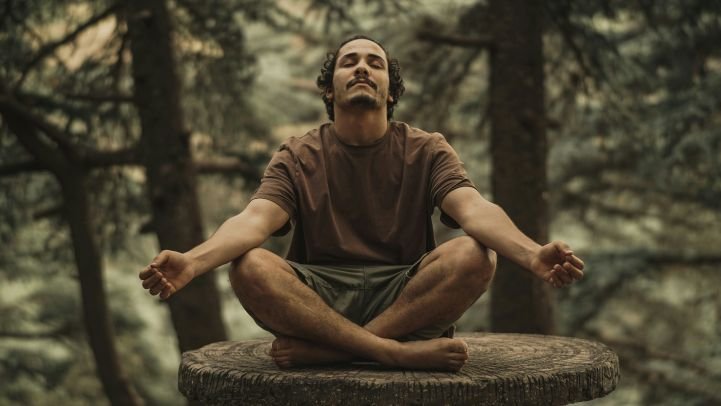
Breathing is uniquely positioned as a lever for stress relief because it directly affects multiple regulatory systems at once:
Slow, rhythmic breathing—especially when the exhale is longer than the inhale—activates parasympathetic pathways. This does not eliminate stressors, but it changes how the body experiences them.
Instead of reacting automatically, the system gains space. This physiological pause is what allows clarity, steadiness, and emotional balance to emerge.
Breathing exercises for stress relief are not all the same. Different practices influence the nervous system in different ways, and understanding their mechanisms helps set realistic expectations.
Diaphragmatic breathing encourages the breath to move into the lower lungs, allowing the belly to expand gently on the inhale and soften on the exhale.
This type of breathing:
It is often taught as a foundational practice for stress and anxiety, especially for people who tend to breathe shallowly during the day.
Extended exhale breathing involves lengthening the exhalation relative to the inhalation—for example, inhaling for four counts and exhaling for six or eight.
This pattern:
Because the exhale is closely linked to relaxation responses, this technique can be especially helpful during acute stress or intense emotions.
Cyclic sighing combines a structured inhale with a relaxed, extended exhale. Rather than forcing the breath, it allows tension to release gradually.
These practices:
They are often experienced as calming, not because they “do” something dramatic, but because they allow the body to return to its natural rhythm.
Box breathing uses equal counts for inhale, hold, exhale, and hold. This structure can be grounding, especially for people who feel mentally scattered.
Benefits include:
While box breathing is often used in high-pressure environments, it works best when practiced gently rather than forcefully.
Alternate nostril breathing is a traditional yogic practice that involves breathing through one nostril at a time in a specific pattern.
It is commonly associated with:
This practice is often used alongside meditation or yoga to support inner steadiness rather than as a quick stress fix.
Many people try breathing exercises during stressful moments and conclude that “they don’t work.” In reality, breathing practices are not designed to override stress instantly—they gradually retrain the nervous system.
Occasional use can offer relief, but consistent practice is what changes baseline stress levels. Over time, regular nervous system regulation leads to:
This is where structured learning environments become especially valuable.
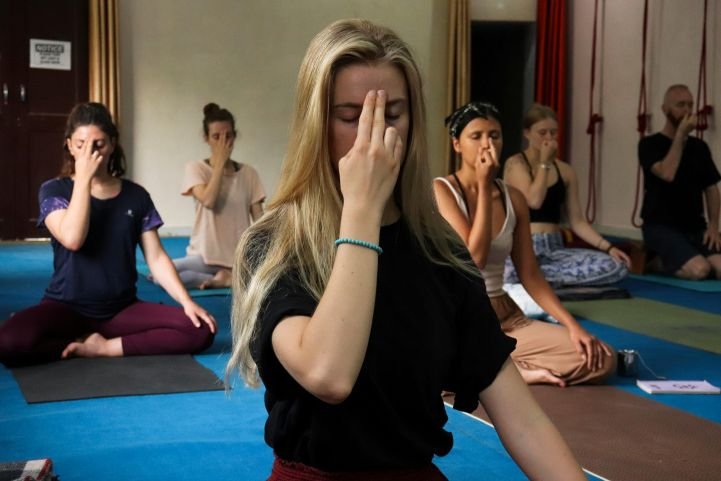
The Art of Living Part 1 Course introduces a comprehensive set of breath-based and mind-body tools designed to release accumulated stress from the system.
Rather than focusing solely on relaxation, the course addresses how stress can be stored in the body and nervous system over time. Participants learn practical techniques that support emotional balance, clarity, and resilience in daily life.
These tools are designed to be integrated into real-world routines—supporting work, relationships, sleep, and emotional well-being—rather than practiced only in quiet moments.
SKY Breath Meditation is taught as part of the Art of Living Part 1 Course and is a central practice for nervous system regulation.
This structured, rhythmic breathing practice works directly with stress physiology. Instead of managing symptoms cognitively, it helps release accumulated stress from the system itself.
Participants often report:
By addressing stress at its physiological root, SKY supports healthier engagement with modern demands—without avoidance or withdrawal.
Feeling stressed even when you’re doing “all the right things”?
Learn how breath-based practices taught in the Art of Living Part 1 Course support deep nervous system regulation and everyday resilience.
When practiced consistently, breath-based stress relief supports both short-term calm and long-term well-being.
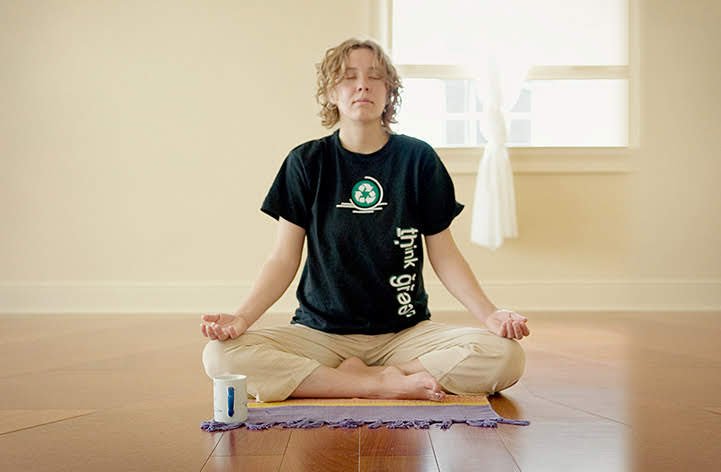
Breathing practices do not require long sessions to be effective. Short, consistent practices are often more sustainable and impactful.
Common integration points include:
Structured programs help ensure techniques are practiced correctly and consistently, reducing the guesswork that often leads people to abandon breathwork altogether.
Chronic stress often involves deeply conditioned nervous system patterns shaped by years of pressure, trauma, or overstimulation.
In these cases:
Comprehensive breath-based approaches, such as SKY Breath Meditation, help address stress accumulation rather than just its symptoms.
Breathing is one of the most accessible tools we have for regulating stress, yet its power is often underestimated. When used intentionally and consistently, breath-based practices can reshape how the nervous system responds to life itself.
Rather than chasing calm, these practices cultivate resilience—the ability to meet challenges with steadiness, clarity, and balance.
By working with the breath, we don’t escape stress. We retrain the body to experience it differently.
Ready to move beyond quick fixes for stress?
Discover how the Art of Living Part 1 Course, including SKY Breath Meditation, helps release accumulated stress and build everyday resilience.
Breath-based stress relief uses intentional breathing patterns to calm the nervous system and reduce the body’s stress response. Instead of managing stress through thought alone, it works directly with physiology—slowing the breath, signaling safety to the brain, and supporting relaxation and emotional balance.
Breathing influences the autonomic nervous system, which automatically controls stress responses. Slow, rhythmic breathing—especially with longer exhales—activates the parasympathetic nervous system, helping the body shift out of fight-or-flight and into rest and recovery.
Yes, breathing exercises can be effective for reducing anxiety symptoms by lowering physiological arousal. While they may not eliminate anxiety triggers, regular practice helps the nervous system become less reactive over time, making anxious responses easier to manage.
Some people notice calming effects within minutes, while long-term benefits develop with consistent practice. Regular breathing practices help retrain the nervous system, leading to improved stress resilience, emotional regulation, and sleep quality over weeks or months.
Breathing exercises are usually simple techniques used for immediate stress relief, such as slow breathing or extended exhales. Breathwork often refers to structured, guided practices designed to support deeper nervous system regulation and long-term stress release.
Yes. Chronic stress is often maintained by conditioned nervous system patterns. While occasional breathing exercises may provide temporary relief, consistent and structured breath-based practices are more effective for addressing accumulated stress and supporting lasting regulation.
Breath-based practices are generally safe when taught properly and practiced gently. Structured programs help ensure techniques are appropriate, gradual, and supportive—especially for people who experience anxiety, overwhelm, or sensitivity to breathing changes.
The Art of Living Part 1 Course is a structured program that teaches practical breath-based and mind-body tools to release stress and build everyday resilience. It focuses on regulating the nervous system rather than simply managing stress mentally.
SKY Breath Meditation is a guided, rhythmic breathing practice taught as part of the Art of Living Part 1 Course. It works directly with stress physiology to support deep rest, emotional balance, and long-term nervous system regulation.
No prior experience is required. Breath-based practices in the Art of Living Part 1 Course are taught step by step and are accessible to beginners and those with previous experience.
Yes. By calming the nervous system and reducing nighttime hyperarousal, breathing practices can support better sleep quality, easier sleep onset, and improved recovery—especially when practiced regularly.
Short, consistent practice is more effective than occasional long sessions. Many people benefit from daily practice or integrating breathing techniques into key moments such as mornings, work breaks, or evening wind-down routines.