
Relief
Discover 108 unique stress relievers, and explore long-term relief techniques—including how SKY can ease stress naturally. Read the article to learn.

Updated on: 1st December 2025
Posted on: 1st December 2025
Stress is a natural part of life, but in today’s fast-paced world, most people carry more stress than their minds and bodies were designed to handle. Deadlines, responsibilities, emotional pressures, digital overload, and constant multitasking put the nervous system into overdrive. This constant activation triggers the body’s stress response, which, over time, can lead to negative health outcomes such as mental fatigue, emotional reactivity, physical tension, and a sense of never fully being at ease.
Managing stress isn’t just about “feeling better.” It’s about supporting your nervous system, calming the mind, balancing hormones, and restoring overall well-being. The goal is to create sustainable habits that serve as a healthy way to manage stress and support the body’s stress response, helping you shift from a state of pressure into one of clarity, balance, and resilience. Practices like breathwork, meditation, movement, nature time, mindful routines, and positive lifestyle changes can help you return to a place of inner stability by regulating your stress response.
This guide offers 108 unique stress relievers, along with deeper insight into how stress impacts both body and mind—and how SKY Breath Meditation can help you reset from the inside out.
When the body perceives stress, it activates the sympathetic nervous system—your built-in “fight-or-flight” response. This reaction is essential in short bursts but harmful when constantly triggered. The stress response is what causes the following physical effects.
Physical effects of ongoing stress include:
Over time, chronic stress contributes to headaches, fatigue, digestive issues, cardiovascular strain, and the overall feeling of being “wired but tired.”
Stress doesn’t just affect the body—it reshapes how the mind processes information and emotions.
Cognitive and emotional effects of stress include:
Chronic mental stress drains clarity and resilience, making it harder to stay grounded, compassionate, and present. Managing stress effectively not only helps restore a sense of calm, spaciousness, and inner stability but also significantly improves emotional well-being.

A healthy diet is a cornerstone of both physical and mental health, and it plays a vital role in effective stress management. When you nourish your body with a balanced diet—rich in fruits, vegetables, whole grains, and lean proteins—you provide the essential nutrients needed to reduce stress levels and support overall well-being. In contrast, a poor diet high in sugar, salt, and unhealthy fats can lead to energy crashes, mood swings, and even contribute to chronic stress, increasing the risk of mental illness and making it harder to cope with daily challenges.
Certain foods can actively help your body and mind cope with stress. Omega-3-rich foods like walnuts, vitamin C-packed fruits such as oranges and berries, and complex carbohydrates found in whole grains can all help alleviate stress and anxiety. Staying hydrated is equally important—drinking plenty of water helps your body function optimally and can promote relaxation. Limiting caffeine and alcohol intake can also make a significant difference in your stress levels, as too much caffeine or alcohol can disrupt sleep and increase feelings of anxiety.
By making mindful choices and prioritizing a healthy diet, you can support your physical and mental health, reduce stress, and promote a greater sense of well-being every day.
Unhealthy habits like smoking, excessive drinking, and substance abuse can significantly worsen stress and anxiety, undermining your overall health and well-being. These habits may offer temporary relief, but they often lead to higher stress levels and can contribute to long-term health problems. Instead, focusing on healthy coping mechanisms—such as regular exercise, meditation, and deep breathing—can help reduce stress and promote relaxation in a sustainable way.
Getting enough quality sleep is another key factor in managing stress. Practicing good sleep hygiene, like avoiding screens before bedtime and creating a calming bedtime routine, can help you fall asleep more easily and wake up feeling refreshed. It’s also helpful to limit exposure to stress-inducing activities, such as watching too much news or engaging in overly competitive situations, as these can elevate anxiety and make it harder to relax.
Engaging in activities that bring you joy and relaxation—like reading, listening to soothing music, or spending time in nature—can help you unwind and support your overall health. By choosing healthy ways to cope with stress and avoiding unhealthy habits, you can protect your well-being and build resilience against daily pressures.
Effective time management and organization are powerful tools for reducing stress and creating a sense of calm and control in your daily life. By prioritizing tasks, setting realistic goals, and breaking large projects into smaller, manageable steps, you can ease feelings of overwhelm and boost your productivity. Tools like calendars, to-do lists, and reminders help you stay organized and prevent the stress that comes from missed deadlines or forgotten commitments.
Learning to say “no” to non-essential tasks and setting healthy boundaries with others can also help reduce stress and free up time for activities that promote relaxation. Taking regular breaks throughout the day—especially to practice deep breathing or progressive muscle relaxation—can help lower stress levels, improve focus, and increase your overall sense of well-being.
By staying organized and managing your time effectively, you can reduce stress, promote relaxation, and create more space for what matters most.

Strong social support is essential for mental health and effective stress management. Connecting with a friend or family member—whether in person, over the phone, or online—can help reduce feelings of loneliness and isolation, and provide a sense of support and understanding. Building and maintaining meaningful relationships can give you a sense of belonging and purpose, helping reduce stress and anxiety.
Participating in social groups, volunteering, or joining community activities are great ways to expand your social network and find new sources of support. If you’re feeling overwhelmed, reaching out to a friend or family member, or seeking guidance from a mental health professional, can provide a safe space to talk through your feelings and develop healthy coping strategies.
Remember, you don’t have to manage stress alone. Leaning on your support system can make a significant difference in your mental health, helping you feel more connected, resilient, and at ease.
In addition to lifestyle changes, certain supplements and aromatherapy can offer complementary and integrative health benefits for stress relief. Supplements like omega-3 fatty acids, vitamin C, and magnesium have been shown to help reduce stress and anxiety and promote relaxation. Aromatherapy, which uses essential oils such as lavender, chamomile, or bergamot, can also help lower stress levels and create a calming atmosphere—especially when paired with deep breathing or meditation.
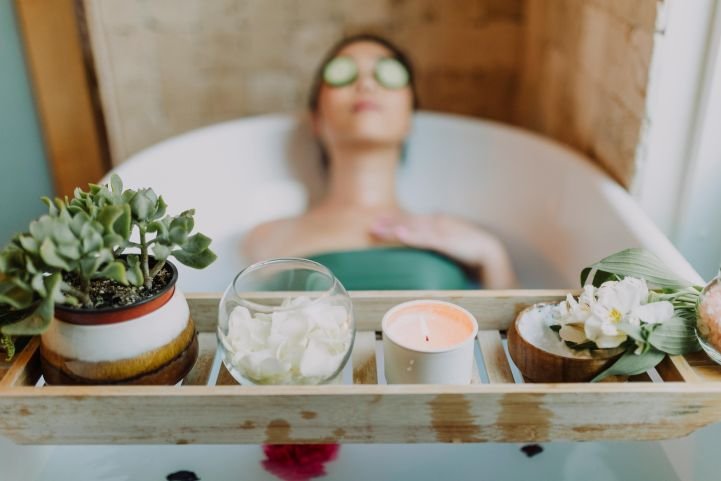
Incorporating these stress-relieving tools into your daily life can be as simple as enjoying a relaxing bath with essential oils, sipping a calming herbal tea, or diffusing soothing scents in your home. Always consult with a healthcare professional before starting any new supplements or therapies to ensure they are safe and appropriate for your needs.
Combining stress relief supplements and aromatherapy with other healthy habits—like regular exercise, a balanced diet, and good sleep hygiene—can help promote overall health and well-being, making it easier to reduce stress and anxiety in your daily life.
Download the complete list here

Breathing exercises are a quick and effective way to reduce stress and anxiety. Taking a few deep breaths can help calm the mind and body, and many of these techniques require just a few minutes to feel the benefits. Guided meditation and guided imagery are accessible options for beginners, while other forms of meditation and relaxation techniques are also included in the list below.
1.SKY Breath Meditation (Sudarshan Kriya)
2. Alternate nostril breathing (Nadi Shodhana)
3. Bee breath (Bhramari)
4. Ocean breath (Ujjayi)
5. Sahaj Samadhi Meditation
6. Yoga Nidra (yogic sleep)
7. Guided body scan
8. Bellows breath (Bhastrika)
9. 4-7-8 breathing technique
10. Box breathing (4-4-4-4)
11. Candle-gazing
12. Chanting/singing mantras
13. Japa meditation with a mala
14. Loving kindness meditation
15. Walking meditation with a labyrinth
16. Silent meditation
17. Sound bath meditation
18. Gratitude meditation
19. Morning intention-setting meditation
20. Three-stage breathing (taught on the Art of Living Part 1 Course)
21. 7/11 breathing
22. Light some incense
Movement and body-based techniques

Engaging in regular physical activity is a proven way to manage stress and support overall mental well-being. Health guidelines recommend moderate-intensity exercise, such as brisk walking or cycling, as an effective method to lower stress levels and boost mood. Additionally, techniques like progressive muscle relaxation involve tensing and relaxing each muscle group in the body, which can further promote relaxation and reduce tension.
23. Restorative Yoga
24. Yin Yoga
25. Surya Namaskar (Sun Salutations)
26. Tai Chi flow
27. Qigong routines
28. Gentle stretching
29. Progressive muscle relaxation
30. Slow nature walk
31. Cycling
32. Light jogging
33. Dancing
34. Swimming
35. Pilates
36. Strength training
37. Rebounding
38. Hatha Yoga
39. Foam rolling
40. Gentle evening stretching
41. Chair Yoga
42. Mindful movement sequence
43. Cold plunge
44. Massage
Nature and grounding practices

Nature-based practices offer a powerful way to engage your five senses—sight, smell, sound, taste, and touch—helping you ground yourself in the present moment. By focusing on sensory experiences in nature, you can reduce stress and enhance mindfulness, allowing your mind and body to relax and reconnect with the here and now.
45. Forest bathing
46. Walking barefoot on grass or sand
47. Watching a sunset
48. Stargazing
49. Listening to birds
50. Gardening
51. Sitting near water
52. Lying in the grass
53. Caring for indoor plants
54. Watching clouds
55. Hiking
56. Collecting natural objects
57. Time with animals
58. Morning sunlight exposure
59. Observing wildlife
60. Grounding with a tree (hands on bark)
61. Nature soundscapes (rain, waves, forest sounds)
Mind-body lifestyle practices

To support your overall well-being, it’s important to avoid unhealthy habits such as excessive caffeine, alcohol, smoking, overeating, or drug use, as these can worsen stress and negatively impact your health. The following lifestyle practices are designed to ease stress and promote relaxation in your daily routine:
62. Drinking warm herbal tea
63. Taking a warm bath
64. Aromatherapy
65. Sleeping 7–9 hours
66. Maintaining a consistent sleep schedule
67. Taking a midday rest break
68. Eating whole, nourishing foods
69. Staying hydrated
70. Reducing caffeine
71. Digital detox
72. Turning off screens before bed
73. Decluttering and organizing a small area
74. Creating ambient lighting
75. Listening to calming music
76. Wearing comfortable clothing
77. Doing Random Acts of Kindness
78. Practicing good posture
79. Creating a soothing bedtime ritual
80. Adjusting room temperature
81. Using a weighted blanket
82. Drinking hot lemon water
Creativity and expression

Engaging in creative activities is a great stress reliever, offering therapeutic benefits that help reduce anxiety and promote relaxation. Using a coloring book, for example, has become popular among adults as a way to express creativity and unwind. Creative expression through these activities can be an effective way to manage stress and improve overall well-being.
83. Coloring
84. Watercolor painting
85. Playing an instrument
86. Singing
87. Journaling
88. Freewriting
89. Doodling
90. DIY crafts
91. Scrapbooking
92. Photography walk
93. Cooking a new recipe
94. Baking
95. Making a vision board
96. Writing poetry
97. Floral arranging
98. Creating a collage
99. Making a personal playlist
100. Making handmade cards
Cognitive and psychological tools

Positive self-talk and positive thinking are powerful tools for managing stress and improving emotional well-being. By cultivating a compassionate inner dialogue and focusing on the positive aspects of life, you can build resilience and foster a healthier mindset. Many of these cognitive strategies can be practiced in just a few minutes, making them easy to integrate into your daily routine.
101. Cognitive reframing
102. Making a simple to-do list
103. Breaking tasks into micro-steps
104. Time-blocking
105. Practicing self-compassion reminders
106. Guided imagery
107. Reducing multitasking
108. Practicing the mindful pause (“Stop. Breathe. Notice.”)
While quick stress relievers offer immediate relief, long-term stress management requires strengthening the nervous system over time. Sustainable tools include:
Stress becomes far easier to manage when your baseline is calm, grounded, and steady. Long-term habits shift your physiology so you react less and recover faster.

SKY Breath Meditation is one of the most research-backed mind-body practices for reducing stress. Through rhythmic breathing cycles, SKY activates the parasympathetic nervous system, naturally lowering cortisol and calming the mind.
Benefits include:
SKY works on both the physiological and emotional layers of stress—giving you the ability to reset, recharge, and respond to life with greater ease.
Experience the power of SKY Breath Meditation with the Art of Living Part 1 Course—your path to deep rest, emotional balance, and lasting resilience.
👉 Learn more and register today for the Art of Living Part 1 Course
Discover how easy it can be to feel calmer, clearer, and more grounded—every single day.