Relief
Discover 10 essential stress-free travel tips to stay calm, organized, and relaxed on your next trip—plus how SKY Breath Meditation can ease travel anxiety.

Updated on: 5th January 2026
Posted on: 9th October 2025
We dream of vacations filled with adventure, rest, and discovery—but often, the journey itself can feel like a marathon of logistics, lines, and unexpected hiccups. Stress-free travel is about transforming that experience into one of calm presence and joy. When you travel with intention, you open yourself to the beauty of every moment—from the first packing list to the final flight home.
Traveling stress-free doesn’t mean every moment goes perfectly. It means you respond gracefully when things go differently than expected. It’s about preparation, awareness, and the ability to pause and breathe before reacting. Whether you’re setting off for a family vacation, a solo retreat, or an international business trip, the following ten tips will help you travel with ease, balance, and mindfulness—so that the journey becomes part of the joy.
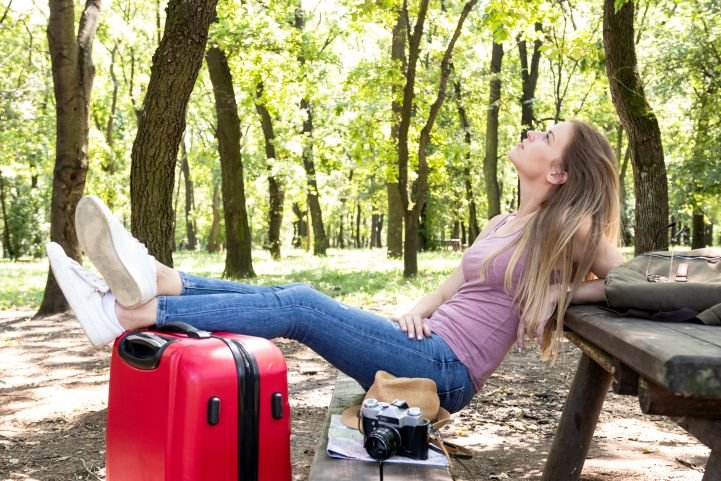
The foundation of stress-free travel lies in the planning. Start early to give yourself time to research destinations, compare options, and choose what aligns with your goals. Plan ahead to ensure a smooth, stress-free experience by organizing your travel plans, booking in advance, and preparing for potential air travel disruptions.
Booking flights and accommodations ahead of time not only saves money but also prevents last-minute panic. Make hotel reservations in advance to avoid last-minute stress and ensure your accommodations are secured as part of your planned itinerary.
Before you finalize your plans, take a moment to visualize your ideal trip. Is it restful and slow-paced, or adventurous and active? Having a clear sense of your intention helps you plan accordingly. Create a flexible itinerary—one that outlines your key activities but also allows room for spontaneous discoveries. Be sure to allow enough time and extra time in your schedule to accommodate unexpected changes or delays.
Researching your destination ahead of time can also reduce uncertainty. Learn about the local culture, transportation, and currency. Monitor your flight plan and travel plans using airline apps or flight trackers to stay informed about any changes. If you’re traveling internationally, check visa requirements early. Consider purchasing travel insurance—it’s a small investment for major peace of mind when unexpected delays, cancellations, or medical needs arise. Using the right strategies and having a well-planned trip can help reduce travel stress.
Finally, keep your documents organized. Make both digital and physical copies of your passport, ID, travel insurance, and itinerary. Store digital copies securely in your phone or email. Pack smart as part of your planning process to maximize convenience and minimize stress. Taking a few deep breaths before you dive into logistics can turn planning from a chore into the first phase of your adventure.

Once your plans are set, pre-trip preparation helps you feel confident and grounded. Start with your packing list—simplicity is key. Make sure to dress comfortably during transit to maintain ease and relaxation; opt for breathable fabrics, casual footwear, and clothing that allows for easy movement and adaptability throughout travel. Packing cubes or compression bags keep things tidy and save space, while a small laundry bag helps separate used clothes on the go.
Dress for comfort during travel. Layers are your best friend, especially for flights where cabin temperatures can fluctuate. Don’t forget to bring an extra layer, such as a weighted pillow or blanket, for added comfort and stress relief. Slip-on shoes make security checks faster and are easier to remove during long-haul flights.
Bring along a reusable water bottle and healthy snacks like trail mix or protein bars. Hydration and balanced nutrition are essential for keeping energy levels steady and reducing fatigue. Pack a small wellness kit with essential items like lip balm, sanitizer, vitamin C, and sleep masks.
If you’re prone to pre-travel jitters, spend a few minutes in meditation, guided meditation, or guided imagery before leaving. Guided meditation is an effective technique for reducing pre-travel anxiety and activating your body’s relaxation response. Visualize your trip unfolding smoothly—from check-in to landing. Imagine yourself calm, confident, and grateful at every stage. This mental rehearsal signals to your nervous system that travel is safe and enjoyable.

Airports can be chaotic environments that test even the most serene traveler. The key is timing and mindset. Arriving at least two hours before a domestic flight (three for international) is essential. Arriving early gives you extra time to handle unexpected delays like traffic or long lines at security or check-in, reducing stress and ensuring a smoother start to your journey.
As you move through security, stay present. Everyone around you is going through the same process, and rushing rarely helps. Take slow, intentional breaths. When you feel impatience rising, focus on the rhythm of your breathing or repeat a calming affirmation like, “I am safe, I am grounded, I am where I need to be.”
Once through security, explore ways to make the wait relaxing. If you have a long layover or extra time at the airport, consider visiting a lounge to enjoy amenities, relax, or catch up on work. You can also enjoy a nourishing meal or stretch in a corner of the gate area. Many airports now offer yoga rooms or meditation pods—use them if available. Keep your travel documents in one easily accessible pouch so you’re never fumbling when boarding begins.
Remember, every airport is a portal to possibility. With the right mindset, it can be the start of your mindfulness practice, not the end of it.

Long flights, especially long-haul flights, train rides, or road trips, can wear you down physically and mentally. Prioritize your comfort by preparing for the journey. Bring small luxuries that make a big difference—a neck pillow, blanket, or noise-canceling headphones. A silk sleep mask and soft socks can help you rest, even in cramped spaces. For a long-haul flight, comfort and amenities are especially important, while a train ride or road trip also benefits from thoughtful preparation to ensure a relaxing experience.
Stay hydrated by sipping water regularly and avoiding excess caffeine or alcohol. These can dehydrate you and amplify jet lag. Try stretching in your seat or taking short walks down the aisle every hour or two to improve circulation.
Entertainment can make the hours pass easily. Load your device with audiobooks, music, meditation tracks, or movies before departure. Consider a mindfulness or breathwork app to help manage in-flight anxiety or tension.
If anxiety creeps in mid-flight, practice SKY Breath Meditation or slow rhythmic breathing. Inhale deeply for four counts, exhale for six. This simple act can reset your heart rate and bring an instant sense of calm. Traveling becomes easier when your inner environment remains peaceful.
When you arrive, use comfort items like a weighted pillow or an extra layer to enhance relaxation in your hotel room, making your stay more restful and stress-free.

Few things are as stressful as realizing your passport or boarding pass is missing just as you reach the gate. Organization is your best defense. Keep your travel documents—passport, ID, credit cards, boarding passes, and reservations — in a single pouch or travel wallet.
Before your trip, take photos of all essential documents and store them securely on your phone or cloud—email copies to yourself or a trusted friend for backup. Carry printed versions of critical itineraries in case your phone loses battery or internet access.
If you’re traveling abroad, double-check visa requirements and carry proof of vaccinations if necessary. A compact travel organizer can keep small items—pens, tickets, and receipts—in one easy-to-find place.
Staying organized isn’t just about logistics. It provides psychological calm—that feeling of being prepared and in control, even when the journey brings surprises.

Smart packing sets the tone for your trip. Overpacking leads to unnecessary weight, baggage fees, and decision fatigue. Aim for a “capsule travel wardrobe” of 10 to 12 items that mix and match easily. Neutral colors, lightweight fabrics, and comfortable shoes are ideal.
Rolling clothes instead of folding saves space and reduces wrinkles. Use packing cubes to categorize: one for tops, one for bottoms, and one for toiletries. Keep essentials like undergarments and socks in a separate small pouch for quick access during layovers or delays.
Don’t forget the tech essentials—a power bank, universal adapter, and a portable charger to keep your devices running. A small zip bag for cords and chargers prevents tangles and saves time.
Finally, keep your carry-on bag functional. Include a book, earbuds, snacks, your water bottle, and one complete outfit in case your checked luggage is delayed. With organization and lightness, you’ll move easily and feel less burdened every step of the way.
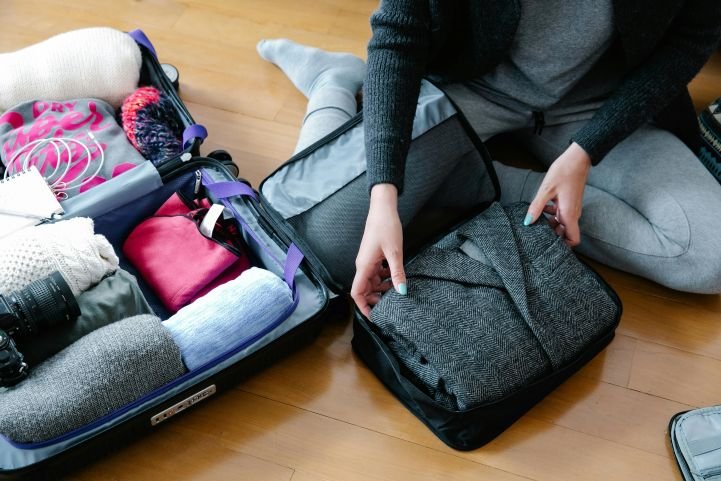
Packing smart is one of the most effective ways to ensure a stress-free travel experience. Start by choosing a carry-on bag that fits your needs and meets airline requirements—this way, you’ll have all your essentials within reach, from travel documents to a change of clothes and valuables. Packing cubes or compression bags are game-changers for organization, helping you pack light while maximizing every inch of space.
Don’t forget to include a portable charger to keep your devices powered during long flights, a reusable water bottle to stay hydrated, and protein bars for quick energy boosts. By packing efficiently, you’ll reduce stress and anxiety about lost or delayed luggage, and you’ll breeze through airports with confidence. Remember, the less you carry, the lighter you’ll feel—physically and mentally—making your travel experience smoother and more enjoyable.

What you wear can make a big difference in how you feel during your trip. For a truly stress-free travel experience, opt for comfortable, breathable fabrics and dress in layers so you can easily adjust to changing temperatures on long flights or during road trips. Slip-on shoes are a smart choice—they make security checks faster and keep your feet happy during hours of walking or standing.
Avoid tight or restrictive clothing, as it can increase your stress level and distract you from enjoying your journey. Instead, choose outfits that help you stay relaxed and focused on the adventure ahead. Before you pack, consider the dress code and climate of your destination to avoid any last-minute worries. With the right travel attire, you’ll be ready for anything your trip brings—feeling comfortable, confident, and stress-free.

Now that you’re en route, it’s time to shift from doing to being. The travel experience is richer when you release rigid expectations, stay open to spontaneous opportunities, and open yourself to spontaneity.
When you arrive at your destination, give yourself a moment to acclimate. Feel the local air, listen to the sounds around you, and let your senses awaken. There’s a special excitement and adventure in exploring a new city—embracing the surprises, hidden gems, and unique experiences that come with discovering unfamiliar places. Each new environment invites you into presence—the heart of stress-free travel.
Try local foods, visit markets, or engage with residents. Ask questions, learn a few words of the local language, and allow curiosity to guide you. Not every moment has to be picture-perfect. Some of the best memories arise from unexpected detours or small acts of kindness.
Keep a travel journal to reflect on experiences and express gratitude daily. The simple act of writing helps you savor the moment and deepen your connection to the place and people you encounter.

Travel, even when enjoyable, can be tiring. To stay grounded, build mini relaxation rituals into your trip. Start your mornings with a few stretches or deep breaths. During long days of sightseeing, pause for tea, find a bench in a park, or simply close your eyes for a minute to reset.
Stay mindful of your body’s needs. Jet lag, dehydration, and irregular meals can affect your mood. Drink plenty of water, eat nourishing foods, and give yourself permission to rest—even if that means skipping an activity.
If anxiety surfaces, use breath as your anchor. Slow, conscious breathing engages the parasympathetic nervous system, signaling safety and calm. You might also try grounding techniques: feel your feet on the floor, name five things you can see, and remind yourself you’re safe and capable. Using positive imagery—such as picturing a peaceful place or recalling a happy memory—can help replace negative thoughts and promote relaxation, especially before or during stressful travel situations like delays or disruptions.
You can also incorporate short meditation sessions or simple yoga poses in your room. Even ten minutes of SKY Breath Meditation can reset your nervous system and restore your equilibrium.

For some people, travel anxiety is the biggest barrier to enjoying new adventures. The unfamiliar—airports, crowds, or being far from home—can activate worry and stress. The first step is awareness: acknowledge your anxiety without judgment; it makes sense to feel anxious in unfamiliar situations.
Identify your triggers. Do you feel anxious during takeoff? When navigating new cities? Are you worried about loved ones’ comfort or managing family travel chaos? Once you know what activates your stress, you can prepare. Bring grounding tools like calming music, essential oils, or a small object that reminds you of home.
Practice relaxation techniques before you leave and during your trip. Deep breathing, progressive muscle relaxation, or positive visualization all help. Imagine yourself handling challenges with calm confidence.
You might also build a “comfort routine.” For instance, listen to the same playlist or do a short breathing sequence before boarding. Consistency creates familiarity, which soothes anxiety.
If travel anxiety feels overwhelming, consider professional support. Therapists trained in cognitive-behavioral or exposure techniques can help reframe fear into empowerment.
Remember: each trip is a chance to build resilience. Gradually stepping outside your comfort zone by starting with small trips and increasing exposure to new situations helps build confidence and reduce anxiety. Every time you travel successfully, your confidence grows — and your world expands.

Prioritizing safety and security is essential for a stress-free travel experience. Before you leave, make both digital and physical copies of your travel documents—passport, driver’s license, travel insurance, and any important reservations. Share a copy with a trusted family member or friend, so you’re prepared in case of an emergency.
Stay informed about your destination by checking for unpredictable weather, crowded airports, or local advisories. Investing in travel insurance can provide peace of mind, protecting you from flight delays, cancellations, or lost luggage. If you find yourself in a stressful travel situation, take a few deep breaths and remind yourself to stay calm—help is always available if you need it.
By taking these simple precautions, you’ll reduce anxiety and worry, allowing you to focus on the excitement of your dream vacation. Preparation is the key to traveling stress-free so that you can enjoy every moment of your journey with confidence and ease.

Here’s the secret that goes beyond luggage and logistics: true calm comes from within. Breathwork and meditation are powerful tools for transforming how you experience travel.
SKY Breath Meditation, taught through the Art of Living Foundation, has been scientifically shown to reduce cortisol levels, improve emotional well-being, and increase energy. This rhythmic breathing technique balances the nervous system. It strengthens your ability to stay composed in stressful environments—whether you’re navigating a crowded airport or adjusting to a new time zone.
Before your trip, practice SKY Breath Meditation daily to create a baseline of calm. During your travels, use short breathing breaks to ease tension or fatigue. After your journey, continue your practice to recover from jet lag and integrate the experiences with greater peace.
Breathwork and meditation don’t just make travel easier; they make it meaningful. You’ll find yourself less reactive, more open, and more connected—to yourself, to others, and to the world.
Stress-free travel isn’t a myth; it’s a mindset supported by mindful action. By planning ahead, packing light, staying organized, and weaving moments of calm into your journey, you can transform travel from a source of stress into a nourishing experience for body and soul.
Remember, the goal isn’t perfection—it’s presence. When delays happen or plans shift, take a breath, smile, and remind yourself that every step is part of the adventure.
Before your next trip, give yourself the ultimate gift of inner calm—learn SKY Breath Meditation and travel with the ease that comes from within.
→ Learn SKY Breath Meditation before your next trip: Join a SKY Course.