"According to the Mahakala Samhita, there are four seasonal Navaratri in the Vedic calendar. Sharad Navaratri, Chaitra Navaratri, Magha Gupta Navaratri and Ashadha Gupta Navaratri.
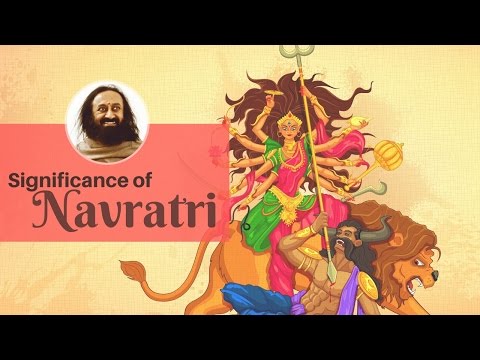
The Navratri that usually falls in the post-monsoon autumn festival (September-October) is known as Sharad Navaratri. Chaitra Navaratri, also called Vasantha Navaratri, is the second most celebrated Navaratri, named after Vasantha, referring to the spring season. It happens during the lunar month of Chaitra (March–April). Magha Navaratri falls in the lunar month of Magha (January–February). This Navaratri is also known as Gupt (secret) Navaratri. Ashada Navaratri, also known as Gupt Navaratri, is observed during the lunar month of Ashadha (June–July), during the start of the monsoon season. The Navaratri festival is associated with the great battle between Devi Durga and the powerful demon Mahishasura to celebrate the victory of good over evil. The nine days dedicated to Devi Durga and her nine avatars are celebrated with joy and dance. Each day is associated with an incarnation of the Goddess Durga. Various Indian states celebrate this day with utmost enthusiasm and unique rituals.
Kolkata, West Bengal - Durga Puja,
Kullu, Himachal Pradesh – Kullu Dussehra, Kota- Rajasthan - Dusshera Mela,
Cherpu, Kerala – Thiruvullakavu Festival, Gujarat- Nine Nights Dance Festival.
Devotees meet one another and share greetings saying, “Wishing you a Happy Navratri. May Maa Durga bless you and your family. May the Devi remove all the obstacles from your spiritual path of life as she removes the darkness from the universe. May you attain victory over all your life problems just like the Goddess Durga emerged victorious over evil.”
Learn also the significance of observing fast during Navaratri, the story behind each of the nine incarnations of the Goddess Durga and many related Navaratri topics.
Navaratri